THE ADVENTURE COLLECTIVE® · Independent discovery and booking for outdoor travel

Ride Apulia’s Itria Valley by e‑bike: cobbled centers, trulli‑lined lanes and a hands‑on dairy tasting where you learn to make burrata and mozzarella. A short, scenic loop that pairs gentle climbs with authentic food culture.
Ride Apulia’s Itria Valley by e‑bike: cobbled centers, trulli‑lined lanes and a hands‑on dairy tasting where you learn to make burrata and mozzarella. A short, scenic loop that pairs gentle climbs with authentic food culture.
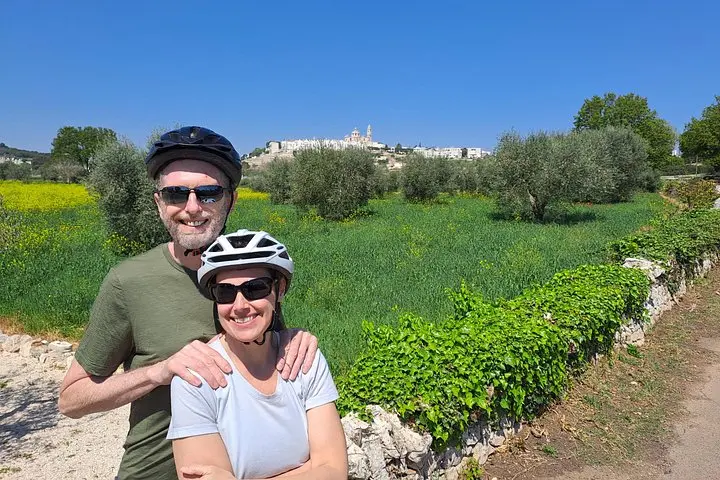
You start on two wheels beneath a low Apulian sun, village roofs and whitewashed facades sliding past as the e‑bike hums forward. Streets in Martina Franca narrow like old alleys of memory; the countryside opens into ribboned fields, dry‑stone walls, and cones of trulli that seem to challenge the sky. The tour moves with a quiet confidence — part ride, part history lesson, part tasting counter.
Verified experiences and guided adventures in the surrounding area.
Operated by Tours Puglia · Martina Franca, Puglia
You start on two wheels beneath a low Apulian sun, village roofs and whitewashed facades sliding past as the e‑bike hums forward. Streets in Martina Franca narrow like old alleys of memory; the countryside opens into ribboned fields, dry‑stone walls, and cones of trulli that seem to challenge the sky. The tour moves with a quiet confidence — part ride, part history lesson, part tasting counter.
The Itria Valley sits on a limestone plateau carved by karst processes; soils are thin, sun‑baked and excellent for vineyards and olive groves. Martina Franca’s 17th‑century baroque center grew from shepherding and southern trade, while Locorotondo’s circular plan reflects medieval settlement patterns designed around communal wells and wind patterns. Local dairies continue centuries‑old cheesecraft: mozzarella and burrata are fresh‑curd products, caciocavallo a stretched and aged cheese hung to mature.
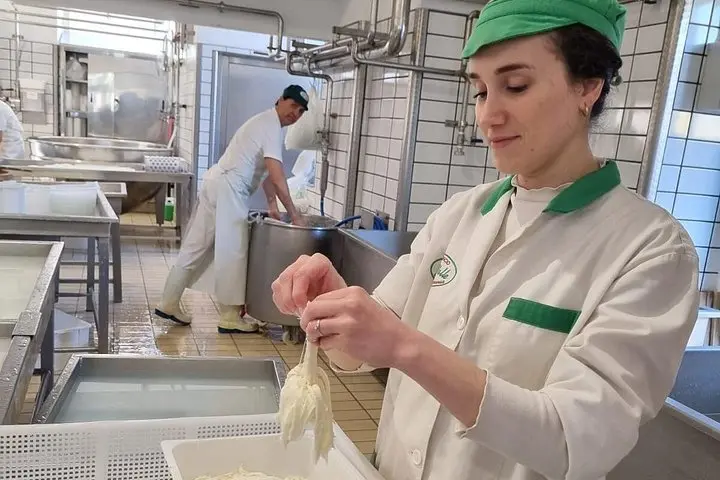
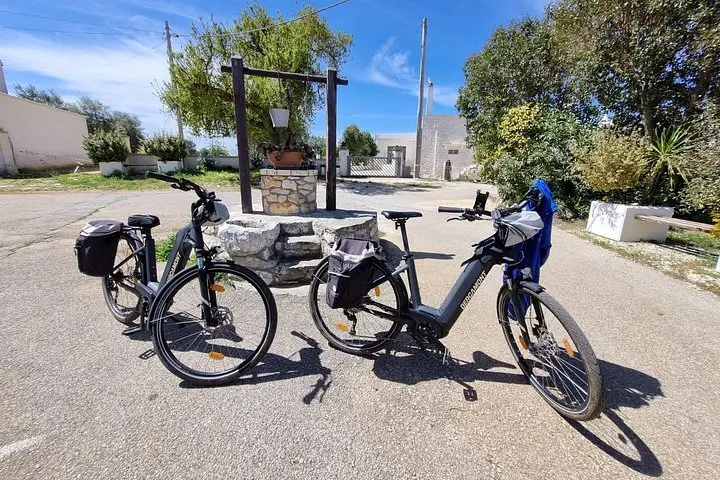
Expect paved village streets, quiet country lanes, and short stretches of gravel. The e‑bike offsets rolling hills so the pace stays conversational; the dairy visit is hands‑on — you’ll watch curd forming, salt and shape, then taste warm cheese with a slice of focaccia.
Practical tips: ride in cooler morning hours to avoid summer heat, carry sunscreen and refillable water, wear closed shoes for the dairy and short farm paths, and bring a compact camera for architectural details. Respect food‑handling rules at the dairy and support local producers by buying a small jar of ricotta or a wedge of caciocavallo. This loop is an efficient, sensory way to meet Apulia — its land, its food, and its history — on two wheels.
No — the e‑bikes provide pedal assist and the route is suitable for riders with basic bike handling skills.
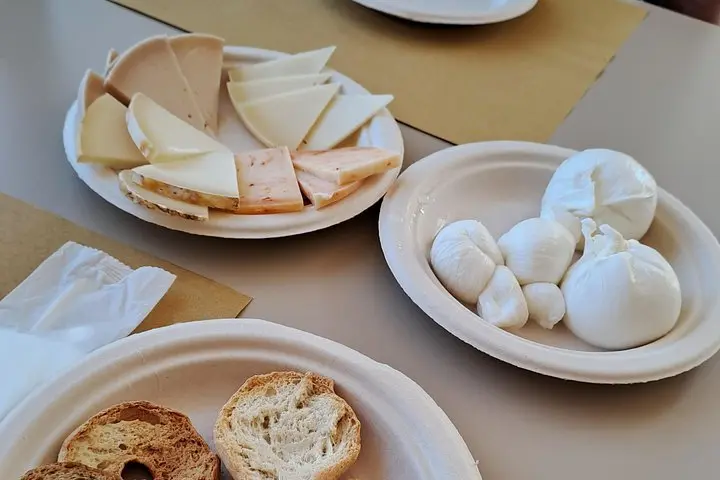
Yes — the tour includes a tasting of mozzarella, burrata and local cheeses produced at the dairy.
Children may join if they meet the operator’s age and size requirements; infant seats are sometimes available—check booking details.
Guides typically speak Italian and English; confirm at booking if you need another language.
Tours Puglia operates guided outdoor trips and adventures with an emphasis on safety, stewardship, and memorable experiences.
You start on two wheels beneath a low Apulian sun, village roofs and whitewashed facades sliding past as the e‑bike hums forward. Streets in Martina Franca narrow like old alleys of memory; the countryside opens into ribboned fields, dry‑stone walls, and cones of trulli that seem to challenge the sky. The tour moves with a quiet confidence — part ride, part history lesson, part tasting counter.
You start on two wheels beneath a low Apulian sun, village roofs and whitewashed facades sliding past as the e‑bike hums forward. Streets in Martina Franca narrow like old alleys of memory; the countryside opens into ribboned fields, dry‑stone walls, and cones of trulli that seem to challenge the sky. The tour moves with a quiet confidence — part ride, part history lesson, part tasting counter.
The Itria Valley sits on a limestone plateau carved by karst processes; soils are thin, sun‑baked and excellent for vineyards and olive groves. Martina Franca’s 17th‑century baroque center grew from shepherding and southern trade, while Locorotondo’s circular plan reflects medieval settlement patterns designed around communal wells and wind patterns. Local dairies continue centuries‑old cheesecraft: mozzarella and burrata are fresh‑curd products, caciocavallo a stretched and aged cheese hung to mature.
Expect paved village streets, quiet country lanes, and short stretches of gravel. The e‑bike offsets rolling hills so the pace stays conversational; the dairy visit is hands‑on — you’ll watch curd forming, salt and shape, then taste warm cheese with a slice of focaccia.
Practical tips: ride in cooler morning hours to avoid summer heat, carry sunscreen and refillable water, wear closed shoes for the dairy and short farm paths, and bring a compact camera for architectural details. Respect food‑handling rules at the dairy and support local producers by buying a small jar of ricotta or a wedge of caciocavallo. This loop is an efficient, sensory way to meet Apulia — its land, its food, and its history — on two wheels.