THE ADVENTURE COLLECTIVE® · Independent discovery and booking for outdoor travel

Ride Lisbon the way locals do: on an electric bike through narrow Alfama streets, up to sweeping miradouros and along river views. This three‑hour guided tour turns the city’s famous climbs into manageable, photo‑ready moments.
Ride Lisbon the way locals do: on an electric bike through narrow Alfama streets, up to sweeping miradouros and along river views. This three‑hour guided tour turns the city’s famous climbs into manageable, photo‑ready moments.
The ride begins where the Tagus widens and the city leans into the river: cobbled streets, tram rails and laundry lines marking a human scale. Pedaling an electric bike, the hills stop feeling like barriers and become a series of staged viewpoints — each miradouro revealing red roofs, bell towers and the slow arc of the river below.
Verified experiences and guided adventures in the surrounding area.
Operated by Lisbon Cycle Tours · Lisbon, Lisboa
The ride begins where the Tagus widens and the city leans into the river: cobbled streets, tram rails and laundry lines marking a human scale. Pedaling an electric bike, the hills stop feeling like barriers and become a series of staged viewpoints — each miradouro revealing red roofs, bell towers and the slow arc of the river below.
The route threads through Alfama’s medieval lanes, climbs to Bairro Alto and Graça, then drops into Baixa’s grid rebuilt after the 1755 earthquake. Lisbon’s urban fabric records Roman layouts, Moorish terraces and the 18th‑century Pombaline rebuild; geological folds and man‑made terraces create the steep, compact slopes that define the ride. Locals still move at pedestrian pace here: markets, street cafés and tile‑clad facades give texture to every turn.
Practically, this is a three‑hour guided loop on electric bikes with helmets and an English‑speaking guide. Expect short, sharp climbs, narrow one‑way lanes and stretches of uneven Portuguese pavement (calçada). The e‑assist smooths effort but requires basic bike handling in traffic and on cobbles. Midweek mornings offer lighter traffic and cleaner light for photos; late afternoons bring golden sun on the river.
Bring layered clothing, hydration, and a camera that won’t mind a little dust. Guides point out lesser‑known vantage points, local cafés for a bica, and practical shortcuts only riders use. For anyone curious about Lisbon beyond the tram postcards, this is an efficient, sensory way to meet the city on two wheels.
Yes—this tour uses e‑bikes so climbs are assisted, but you still need to pedal and maintain balance on narrow streets.
The tour is rated easy to moderate and suitable for beginners; infant seats are available but check age/weight limits with the operator.
The operator has a standard cancellation policy; tours may run in light rain—confirm refund rules and rescheduling options when booking.
Groups are capped (typically around 10 riders), which keeps maneuvering through narrow lanes safer and more personal.
Lisbon Cycle Tours operates guided outdoor trips and adventures with an emphasis on safety, stewardship, and memorable experiences.
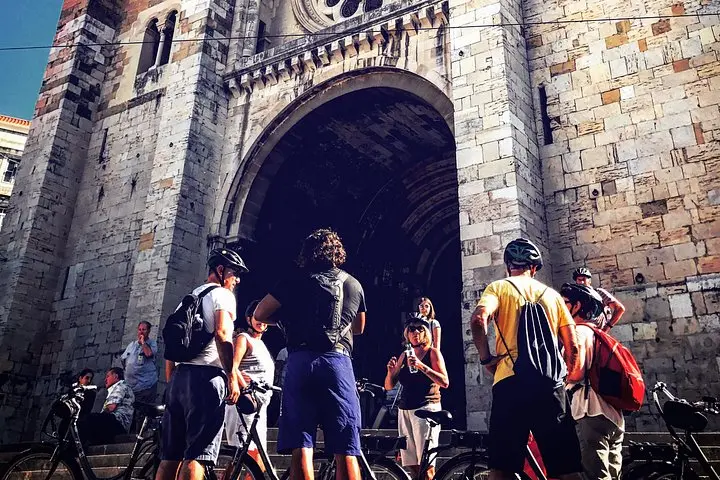
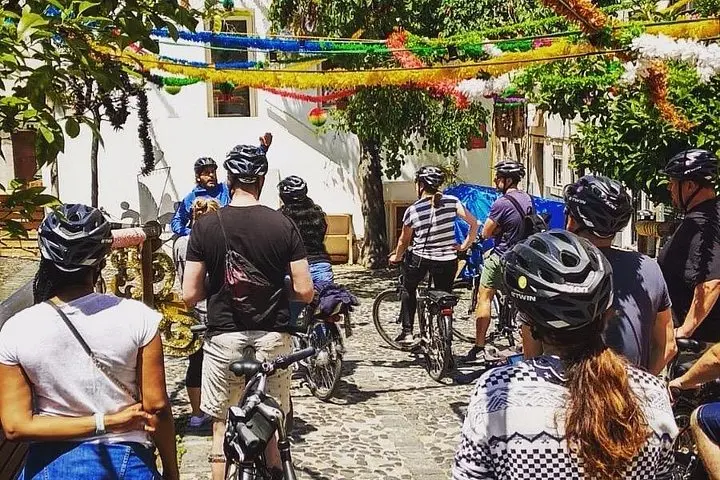
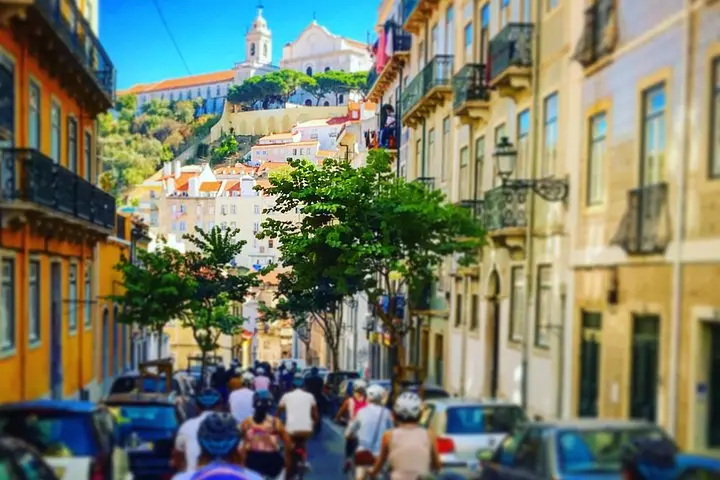
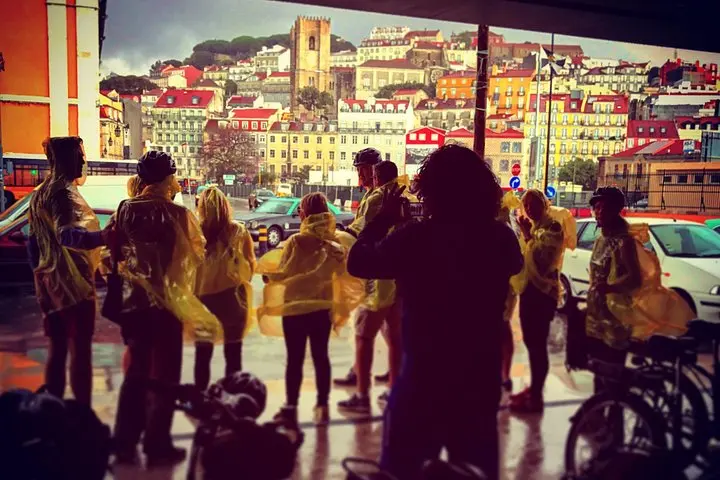
The ride begins where the Tagus widens and the city leans into the river: cobbled streets, tram rails and laundry lines marking a human scale. Pedaling an electric bike, the hills stop feeling like barriers and become a series of staged viewpoints — each miradouro revealing red roofs, bell towers and the slow arc of the river below.
The ride begins where the Tagus widens and the city leans into the river: cobbled streets, tram rails and laundry lines marking a human scale. Pedaling an electric bike, the hills stop feeling like barriers and become a series of staged viewpoints — each miradouro revealing red roofs, bell towers and the slow arc of the river below.
The route threads through Alfama’s medieval lanes, climbs to Bairro Alto and Graça, then drops into Baixa’s grid rebuilt after the 1755 earthquake. Lisbon’s urban fabric records Roman layouts, Moorish terraces and the 18th‑century Pombaline rebuild; geological folds and man‑made terraces create the steep, compact slopes that define the ride. Locals still move at pedestrian pace here: markets, street cafés and tile‑clad facades give texture to every turn.
Practically, this is a three‑hour guided loop on electric bikes with helmets and an English‑speaking guide. Expect short, sharp climbs, narrow one‑way lanes and stretches of uneven Portuguese pavement (calçada). The e‑assist smooths effort but requires basic bike handling in traffic and on cobbles. Midweek mornings offer lighter traffic and cleaner light for photos; late afternoons bring golden sun on the river.
Bring layered clothing, hydration, and a camera that won’t mind a little dust. Guides point out lesser‑known vantage points, local cafés for a bica, and practical shortcuts only riders use. For anyone curious about Lisbon beyond the tram postcards, this is an efficient, sensory way to meet the city on two wheels.