THE ADVENTURE COLLECTIVE® · Independent discovery and booking for outdoor travel

Explore Mt. Fuji’s rural foothills by pedal‑assist e‑bike: quiet backroads, Oshino Hakkai springs, lakeside paths on Lake Yamanaka, and a local lunch. This full‑day route blends geology, Shinto culture, and accessible climbs for a revealing day around Japan’s greatest peak.
Explore Mt. Fuji’s rural foothills by pedal‑assist e‑bike: quiet backroads, Oshino Hakkai springs, lakeside paths on Lake Yamanaka, and a local lunch. This full‑day route blends geology, Shinto culture, and accessible climbs for a revealing day around Japan’s greatest peak.
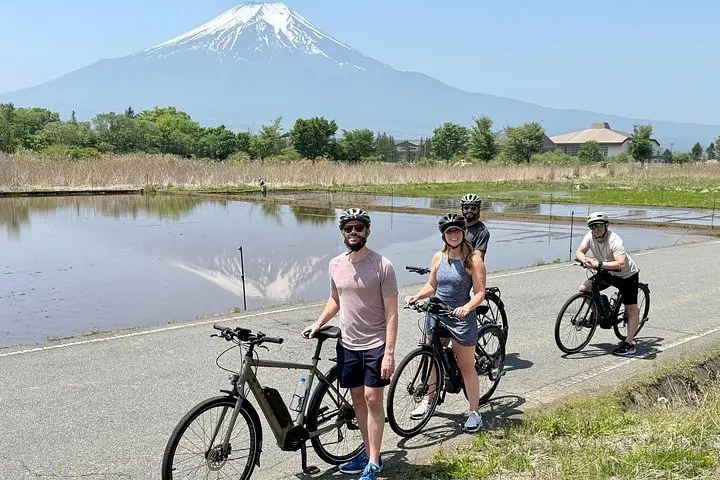
You push off beneath a pale morning sky, pedal-assist whirring as Mt. Fuji’s cone rises like a slow, watching presence ahead. The road is quiet; rice paddies open like mirrors, and a cool breeze off Lake Yamanaka dares you to slow down and take the view.
Verified experiences and guided adventures in the surrounding area.
Operated by Lake Kawaguchi explorer : e-Bike Guided Tour · Oshino, Yamanashi Prefecture
You push off beneath a pale morning sky, pedal-assist whirring as Mt. Fuji’s cone rises like a slow, watching presence ahead. The road is quiet; rice paddies open like mirrors, and a cool breeze off Lake Yamanaka dares you to slow down and take the view.
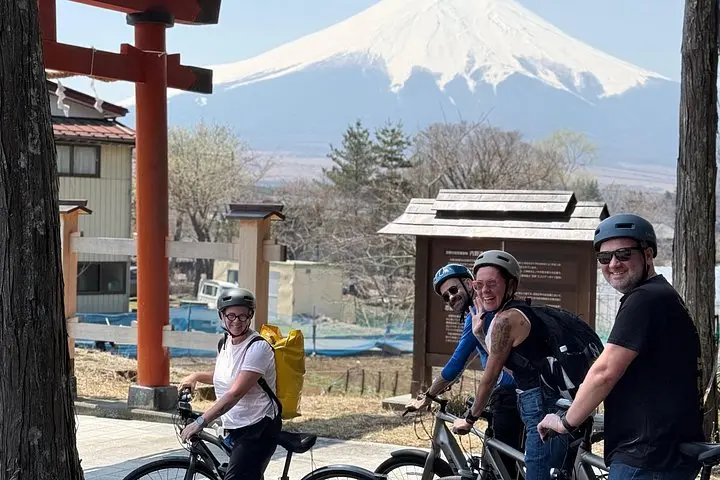
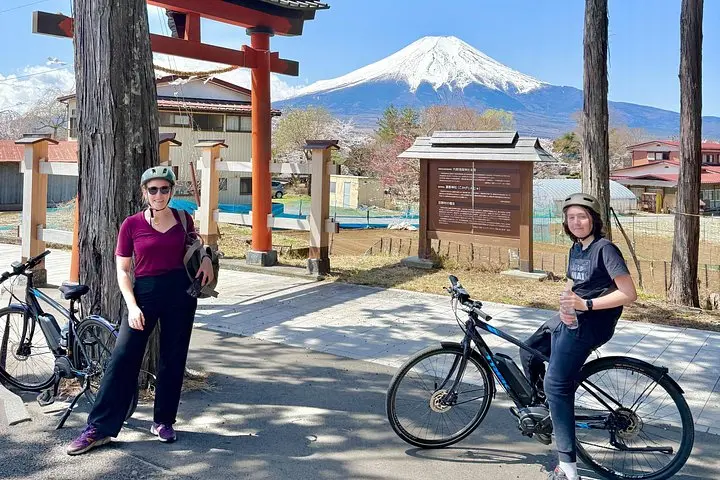
This full-day e-bike route threads historic Oshino Hakkai springs, cedar‑lined Shinto shrines, and lava‑studded forest floors carved by Fuji’s ancient eruptions. Geologically, you’re riding across young volcanic deposits—porous basalt and ash that direct meltwater into the crystal ponds below. Culturally, the route passes small farming hamlets where Shinto practices and seasonal festivals still shape daily life; guides often point out local shrines and explain the spiritual relationship between communities and the mountain.
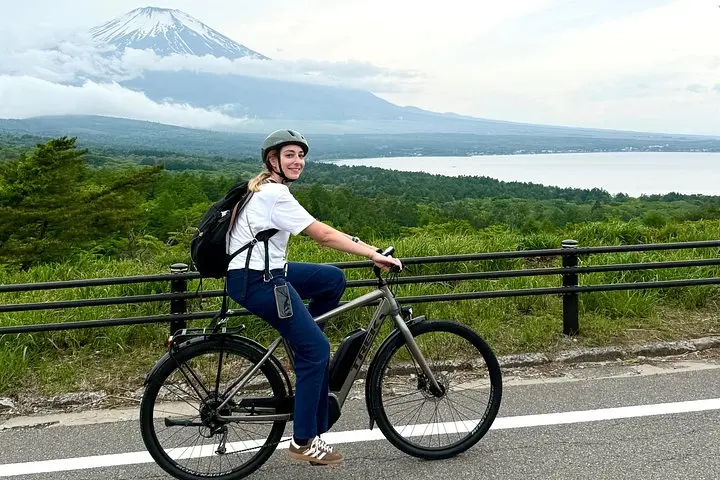
Expect mostly paved backroads and dedicated cycling paths, with brief gravel sections near observation points. The electric assist flattens climbs but riders should be comfortable with 4–6 mile uphill stretches to reach viewpoints like Myojin Mountain observation deck, where sweeping views of Lake Yamanaka and Mt. Fuji reward the climb.
Practical notes: check battery charge and helmet fit before departure, carry at least 1–2 liters of water, and wear grippy shoes for quick dismounts at springs and shrines. Plan around light and weather—Fuji views are clearest in the morning or late afternoon. Respect private farmland, stay on marked routes, and bring cash for a local set lunch at a family‑run restaurant. On this ride, the landscape keeps pace with you—sometimes gentle, sometimes insistent—but always honest.
The tour meets at Mt. Fuji Station’s taxi stand; the operator provides a short van transfer from the station to the ride start point if required.
No—basic bike handling is enough; guides give a safety and e‑bike briefing at the start and stay with the group.
A local lunch and a 500ml bottled water are typically included; bring extra water if you prefer more than one bottle.
Riders above approximately 110 kg (242 lbs) cannot be accommodated due to e‑bike specifications; the tour is not recommended for those with serious heart or spinal conditions.
Lake Kawaguchi explorer : e-Bike Guided Tour operates guided outdoor trips and adventures with an emphasis on safety, stewardship, and memorable experiences.
You push off beneath a pale morning sky, pedal-assist whirring as Mt. Fuji’s cone rises like a slow, watching presence ahead. The road is quiet; rice paddies open like mirrors, and a cool breeze off Lake Yamanaka dares you to slow down and take the view.
You push off beneath a pale morning sky, pedal-assist whirring as Mt. Fuji’s cone rises like a slow, watching presence ahead. The road is quiet; rice paddies open like mirrors, and a cool breeze off Lake Yamanaka dares you to slow down and take the view.
This full-day e-bike route threads historic Oshino Hakkai springs, cedar‑lined Shinto shrines, and lava‑studded forest floors carved by Fuji’s ancient eruptions. Geologically, you’re riding across young volcanic deposits—porous basalt and ash that direct meltwater into the crystal ponds below. Culturally, the route passes small farming hamlets where Shinto practices and seasonal festivals still shape daily life; guides often point out local shrines and explain the spiritual relationship between communities and the mountain.
Expect mostly paved backroads and dedicated cycling paths, with brief gravel sections near observation points. The electric assist flattens climbs but riders should be comfortable with 4–6 mile uphill stretches to reach viewpoints like Myojin Mountain observation deck, where sweeping views of Lake Yamanaka and Mt. Fuji reward the climb.
Practical notes: check battery charge and helmet fit before departure, carry at least 1–2 liters of water, and wear grippy shoes for quick dismounts at springs and shrines. Plan around light and weather—Fuji views are clearest in the morning or late afternoon. Respect private farmland, stay on marked routes, and bring cash for a local set lunch at a family‑run restaurant. On this ride, the landscape keeps pace with you—sometimes gentle, sometimes insistent—but always honest.