THE ADVENTURE COLLECTIVE® · Independent discovery and booking for outdoor travel

Explore Nara Park by e‑bike in 3.5 hours — ride past roaming sika deer, visit Todaiji’s Daibutsuden, see Kasuga Taisha’s lanterns, and pop into a historic knife workshop. This guided loop packs culture, wildlife, and photo stops into a single active morning or afternoon.
Explore Nara Park by e‑bike in 3.5 hours — ride past roaming sika deer, visit Todaiji’s Daibutsuden, see Kasuga Taisha’s lanterns, and pop into a historic knife workshop. This guided loop packs culture, wildlife, and photo stops into a single active morning or afternoon.
You push off through a park that feels older than the city around it: pavement gives way to wide public lawns, cedar groves lower the light, and the sika deer step aside like small, curious hosts.
Verified experiences and guided adventures in the surrounding area.
Operated by Japan Tour Adventure · Nara, Nara Prefecture
You push off through a park that feels older than the city around it: pavement gives way to wide public lawns, cedar groves lower the light, and the sika deer step aside like small, curious hosts.
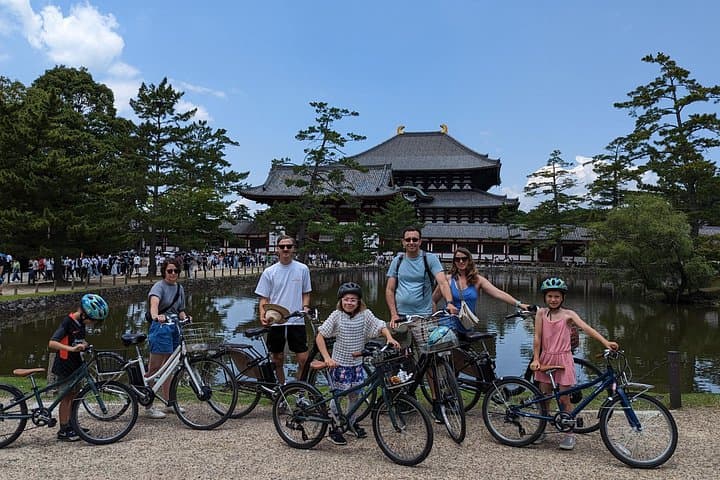
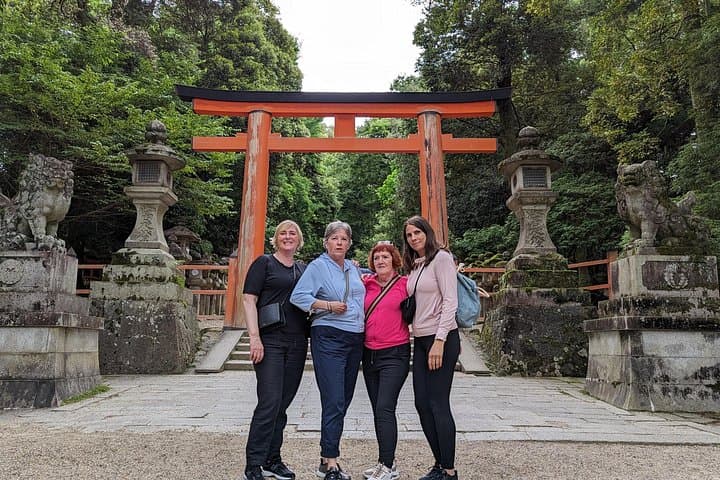
This 3.5‑hour e-bike loop threads Nara Park’s main stages — the Great Southern Gate and the Daibutsuden at Todaiji, the lantern‑lined approach to Kasuga Taisha, a centuries‑old knife workshop, and a quiet pondside hideaway at Ukimido. Nara was Japan’s capital in the 8th century; Todaiji’s Daibutsuden houses the country’s great bronze Buddha and reflects the engineering ambition of the Nara period. Geologically the park sits on a shallow basin rimmed by low hills, so routes are mostly flat with short gentle rises.
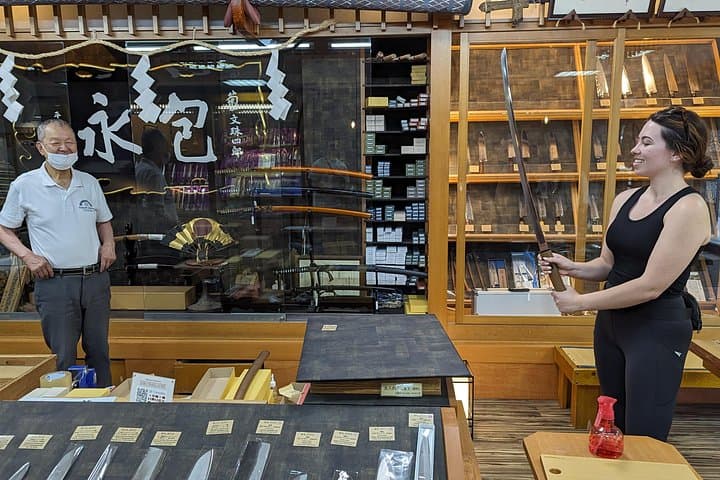
Culturally the deer here are more than a photo prop: historically regarded as messengers of the Shinto deities, they approach with practiced boldness but expect only the specially sold deer crackers. The knife shop visit offers a glimpse into traditional metalwork evolving from swordsmith skills to kitchen cutlery.
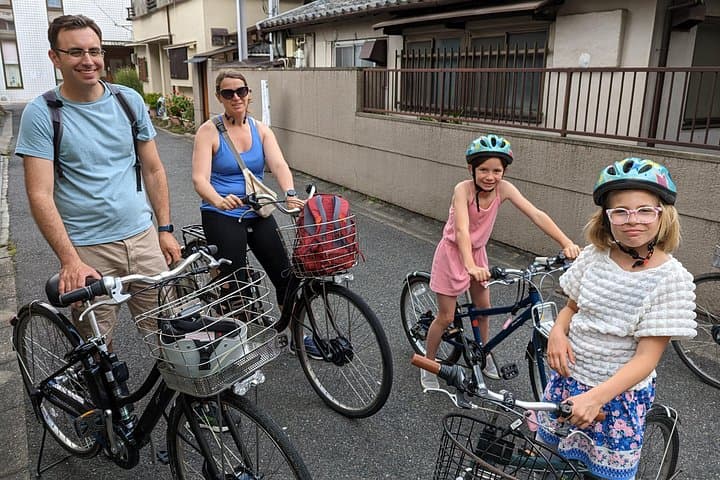
Practically: expect 6–10 km of mostly paved cycling, light traffic when guided, and several on‑foot segments at stops. The tour supplies e‑bikes and photos; bring comfortable closed‑toe shoes, a charged phone for pictures, and a lightweight layer for sudden rain or shade. Hydrate before you start, move deliberately near the deer, and time your visit early or late to avoid peak crowds — you’ll leave having covered the highlights with context, not just snapshots.
No — the tour is designed for riders with basic cycling skills; guides lead and manage pace through park paths.
Operators commonly provide helmets; check booking details or request one if you have a size preference.
Guides are bilingual (commonly English and Japanese); a francophone guide may be possible by request but is not guaranteed for shared tours.
You can receive a full refund if you cancel at least 24 hours before departure; the tour may be cancelled for bad weather or low bookings with rescheduling or refund options.
Japan Tour Adventure operates guided outdoor trips and adventures with an emphasis on safety, stewardship, and memorable experiences.
You push off through a park that feels older than the city around it: pavement gives way to wide public lawns, cedar groves lower the light, and the sika deer step aside like small, curious hosts.
You push off through a park that feels older than the city around it: pavement gives way to wide public lawns, cedar groves lower the light, and the sika deer step aside like small, curious hosts.
This 3.5‑hour e-bike loop threads Nara Park’s main stages — the Great Southern Gate and the Daibutsuden at Todaiji, the lantern‑lined approach to Kasuga Taisha, a centuries‑old knife workshop, and a quiet pondside hideaway at Ukimido. Nara was Japan’s capital in the 8th century; Todaiji’s Daibutsuden houses the country’s great bronze Buddha and reflects the engineering ambition of the Nara period. Geologically the park sits on a shallow basin rimmed by low hills, so routes are mostly flat with short gentle rises.
Culturally the deer here are more than a photo prop: historically regarded as messengers of the Shinto deities, they approach with practiced boldness but expect only the specially sold deer crackers. The knife shop visit offers a glimpse into traditional metalwork evolving from swordsmith skills to kitchen cutlery.
Practically: expect 6–10 km of mostly paved cycling, light traffic when guided, and several on‑foot segments at stops. The tour supplies e‑bikes and photos; bring comfortable closed‑toe shoes, a charged phone for pictures, and a lightweight layer for sudden rain or shade. Hydrate before you start, move deliberately near the deer, and time your visit early or late to avoid peak crowds — you’ll leave having covered the highlights with context, not just snapshots.