
E-Bike Navarino Trail: Ride Gialova Lagoon to Voidokilia Beach
Ride an e-bike around Gialova lagoon to the omega-shaped Voidokilia beach, scanning reedbeds for flamingos and stopping at hidden coves. This guided 3–4 hour loop mixes easy cycling with rich natural and archaeological context—ideal for anyone wanting maximum scenery with minimal effort.
An Adventure In Pylos.
Ride an e-bike around Gialova lagoon to the omega-shaped Voidokilia beach, scanning reedbeds for flamingos and stopping at hidden coves. This guided 3–4 hour loop mixes easy cycling with rich natural and archaeological context—ideal for anyone wanting maximum scenery with minimal effort.
Read the full experience
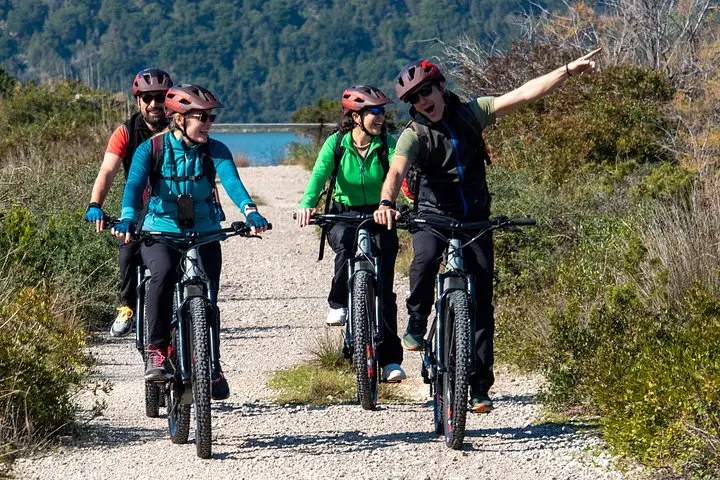
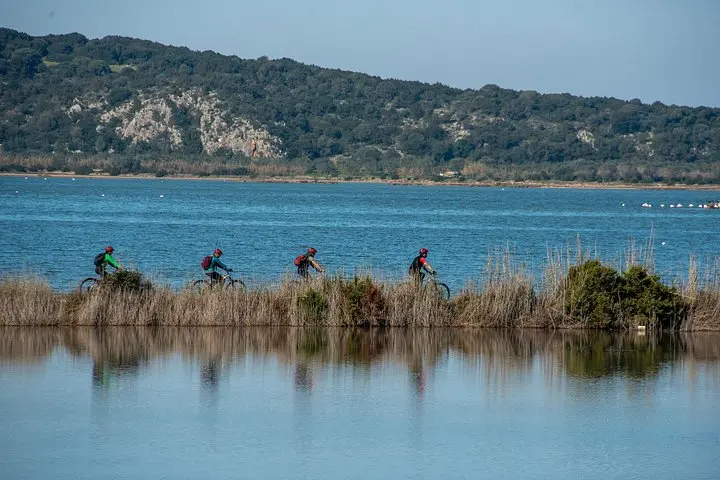
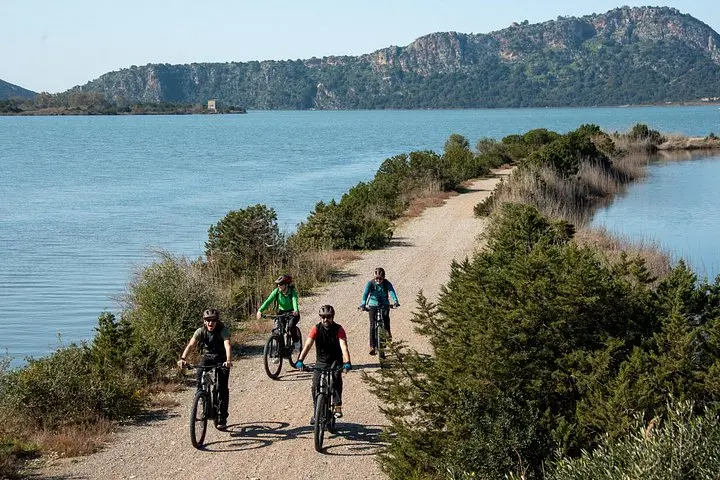
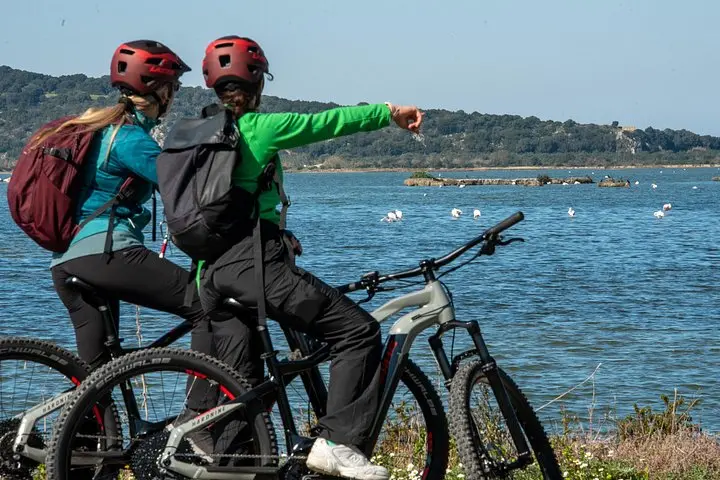
You start on an e-bike at the edge of Gialova lagoon with reed beds sighing at the wheel and the bay laid out like a calm hand below. The first pedal-assist boosts you past shallow salt pans where flamingos probe and migratory waders flick in the shallows; the route opens to low limestone ridges that frame views of Voidokilia's unmistakable omega curve.
You start on an e-bike at the edge of Gialova lagoon with reed beds sighing at the wheel and the bay laid out like a calm hand below. The first pedal-assist boosts you past shallow salt pans where flamingos probe and migratory waders flick in the shallows; the route opens to low limestone ridges that frame views of Voidokilia's unmistakable omega curve.
The shore here records human stories as clearly as the rock—Mycenaean strata and the mythic landscape around Nestor's Palace speak to a long continuity of fishing, seafaring and seasonal harvest. Geologically, this stretch of the Peloponnese is compact limestone and sand; short climbs give way to coastal flats and sheltered wetlands where tides and wind have shaped dunes and reed islands. Locally, small fishing hamlets and olive groves still punctuate the road, and guides often point out traditional stone walls and simple shepherd tracks.
On this guided 3–4 hour e-bike loop you’ll see the Kalamaris waterfall, the harbour toward Sphacteria and the quieter coves less visited by day trippers. The electric assist makes the route accessible to most riders while conserving energy for stops—bring time to scan for birds and tuck into a picnic of local cheeses and bread.
Practical guidance: wear closed-toe shoes, carry at least 1–1.5 liters of water, and plan mid-morning or late afternoon rides to avoid the strongest sun. Expect mixed surfaced lanes—paved village roads, compact dirt tracks and brief sandy stretches—so basic bike handling and a steady pace keep the ride comfortable. Photographs are part of the package, and the overall pace is deliberately unhurried to maximize wildlife viewing and cultural context.
Frequently asked questions
The electric assist keeps effort low; riders of average fitness can complete the 3–4 hour loop with frequent photo and birding stops.
Helmets are provided and their use is standard—guides will require them for safety.
Most tours meet near Gialova village or a designated parking area; Pylos is the closest town for accommodations and local transfers or taxis can connect to the meeting point.
This activity is generally family-friendly for older children who can safely ride; it is not recommended for pregnant travelers or those with serious cardiovascular or spinal conditions.
About This Experience
Explore Messinia operates guided outdoor trips and adventures with an emphasis on safety, stewardship, and memorable experiences.
Adventure tips
Recommended gear
- Reusable water bottle: Staying hydrated is essential on exposed coastal stretches.
- Closed-toe walking/cycling shoes: Protects feet on mixed terrain, short sandy sections and while mounting/dismounting.
- Light windbreaker or layer: Coastal breezes and morning chill make a light layer useful in spring and evenings.
- Broad-brim hat and sunscreen: The Peloponnese sun is strong—protect skin and eyes during midday rides.
Photos of the experience
Related adventures & guides
Read the full experience
You start on an e-bike at the edge of Gialova lagoon with reed beds sighing at the wheel and the bay laid out like a calm hand below. The first pedal-assist boosts you past shallow salt pans where flamingos probe and migratory waders flick in the shallows; the route opens to low limestone ridges that frame views of Voidokilia's unmistakable omega curve.
You start on an e-bike at the edge of Gialova lagoon with reed beds sighing at the wheel and the bay laid out like a calm hand below. The first pedal-assist boosts you past shallow salt pans where flamingos probe and migratory waders flick in the shallows; the route opens to low limestone ridges that frame views of Voidokilia's unmistakable omega curve.
The shore here records human stories as clearly as the rock—Mycenaean strata and the mythic landscape around Nestor's Palace speak to a long continuity of fishing, seafaring and seasonal harvest. Geologically, this stretch of the Peloponnese is compact limestone and sand; short climbs give way to coastal flats and sheltered wetlands where tides and wind have shaped dunes and reed islands. Locally, small fishing hamlets and olive groves still punctuate the road, and guides often point out traditional stone walls and simple shepherd tracks.
On this guided 3–4 hour e-bike loop you’ll see the Kalamaris waterfall, the harbour toward Sphacteria and the quieter coves less visited by day trippers. The electric assist makes the route accessible to most riders while conserving energy for stops—bring time to scan for birds and tuck into a picnic of local cheeses and bread.
Practical guidance: wear closed-toe shoes, carry at least 1–1.5 liters of water, and plan mid-morning or late afternoon rides to avoid the strongest sun. Expect mixed surfaced lanes—paved village roads, compact dirt tracks and brief sandy stretches—so basic bike handling and a steady pace keep the ride comfortable. Photographs are part of the package, and the overall pace is deliberately unhurried to maximize wildlife viewing and cultural context.
Make a day of it nearby.
Verified experiences and guided adventures in the surrounding area.