THE ADVENTURE COLLECTIVE® · Independent discovery and booking for outdoor travel

Cycle an electric-assisted route from Kotohira to Mannō’s sunflower fields, following local farmers’ recommended loops and stopping for Sanuki udon along the way. A 3–4 hour, family-friendly ride that highlights summer blooms, quiet rural roads, and simple local food stops.
Cycle an electric-assisted route from Kotohira to Mannō’s sunflower fields, following local farmers’ recommended loops and stopping for Sanuki udon along the way. A 3–4 hour, family-friendly ride that highlights summer blooms, quiet rural roads, and simple local food stops.
A warm morning in Kotohira, the electric motor whirrs as you roll past the old stone steps that lead to Konpira Shrine. Within minutes the town gives way to narrow country roads and rows of sunflowers turning their faces toward the same sun that woke the village. The ride is part sightseeing, part farm visit: local growers in Mannō Town have marked routes that thread through fields and quiet lanes, offering wide, immediate views and the honest smells of summer hay.
Verified experiences and guided adventures in the surrounding area.
Operated by Kotohira Travel · Kotohira, Kagawa Prefecture
A warm morning in Kotohira, the electric motor whirrs as you roll past the old stone steps that lead to Konpira Shrine. Within minutes the town gives way to narrow country roads and rows of sunflowers turning their faces toward the same sun that woke the village. The ride is part sightseeing, part farm visit: local growers in Mannō Town have marked routes that thread through fields and quiet lanes, offering wide, immediate views and the honest smells of summer hay.
Kagawa sits on the sanuki plain—gentle hills of volcanic origin and sedimentary soils that favor sunflowers and the wheat for the region’s famous udon. The cultural anchor here is food and ritual: stopoff points like Yamauchi Udon remain family-run and direct descendants of a centuries-long noodle culture. The route also skirts small irrigation channels and terraced plots that reflect local farming rhythms.
Practicality is part of the experience. The e-bike reduces effort on short climbs, making a 3–4 hour, 15–25 km loop accessible to most riders. Expect paved rural roads with light vehicle traffic and short steep pitches rather than long ascents; cumulative elevation gain is modest. Helmets are provided; bring a shoulder bag (no basket on the bikes), water, sun protection, and cash for udon stops. Pickup is morning-to-early-afternoon, and bikes must be returned by 6pm. The ride is recommended for junior high students and above with a minimum rider height of 150 cm. Ride respectfully through fields, follow farmer-recommended routes, and time your visit for late June to mid‑July to catch peak blooms.
Sunflowers in Mannō typically peak from late June through mid‑July; bloom timing can vary with weather, so plan within that window for best color.
No guide is included. A recommended-route map from local producers is provided; riders should follow signage and use basic navigation skills.
Recommended for junior high students and above, with a minimum rider height of 150 cm; riders should have moderate fitness and no serious heart or spinal conditions.
Electric bicycle pickup is available from 9:00–14:00 for a full 4-hour use window; all bikes must be returned by 18:00.
Kotohira Travel operates guided outdoor trips and adventures with an emphasis on safety, stewardship, and memorable experiences.
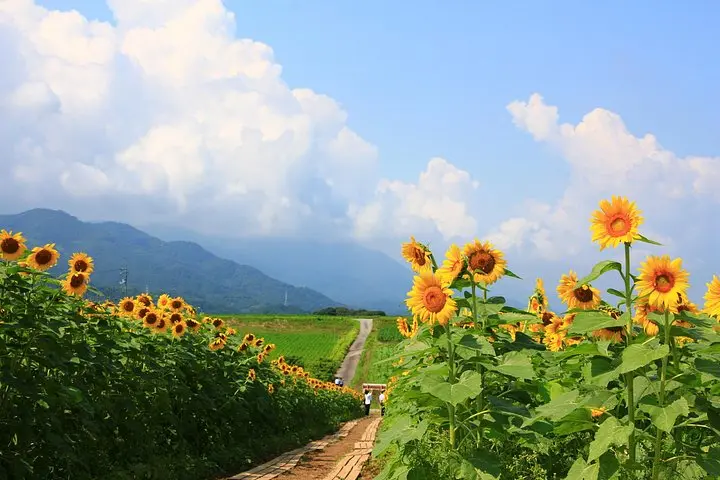
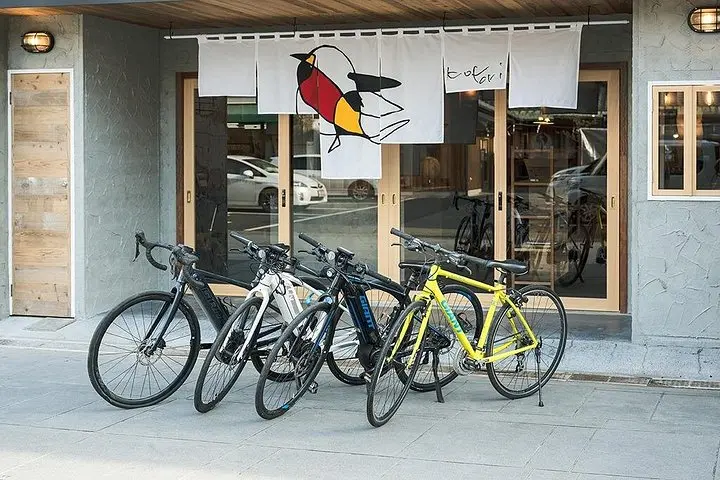

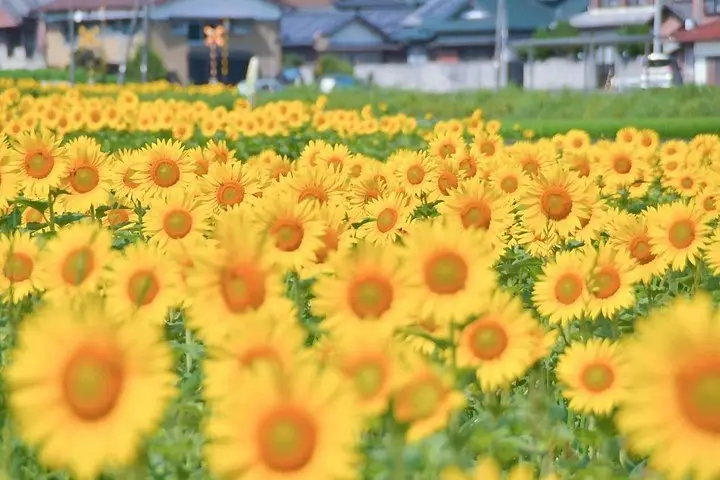
A warm morning in Kotohira, the electric motor whirrs as you roll past the old stone steps that lead to Konpira Shrine. Within minutes the town gives way to narrow country roads and rows of sunflowers turning their faces toward the same sun that woke the village. The ride is part sightseeing, part farm visit: local growers in Mannō Town have marked routes that thread through fields and quiet lanes, offering wide, immediate views and the honest smells of summer hay.
A warm morning in Kotohira, the electric motor whirrs as you roll past the old stone steps that lead to Konpira Shrine. Within minutes the town gives way to narrow country roads and rows of sunflowers turning their faces toward the same sun that woke the village. The ride is part sightseeing, part farm visit: local growers in Mannō Town have marked routes that thread through fields and quiet lanes, offering wide, immediate views and the honest smells of summer hay.
Kagawa sits on the sanuki plain—gentle hills of volcanic origin and sedimentary soils that favor sunflowers and the wheat for the region’s famous udon. The cultural anchor here is food and ritual: stopoff points like Yamauchi Udon remain family-run and direct descendants of a centuries-long noodle culture. The route also skirts small irrigation channels and terraced plots that reflect local farming rhythms.
Practicality is part of the experience. The e-bike reduces effort on short climbs, making a 3–4 hour, 15–25 km loop accessible to most riders. Expect paved rural roads with light vehicle traffic and short steep pitches rather than long ascents; cumulative elevation gain is modest. Helmets are provided; bring a shoulder bag (no basket on the bikes), water, sun protection, and cash for udon stops. Pickup is morning-to-early-afternoon, and bikes must be returned by 6pm. The ride is recommended for junior high students and above with a minimum rider height of 150 cm. Ride respectfully through fields, follow farmer-recommended routes, and time your visit for late June to mid‑July to catch peak blooms.