THE ADVENTURE COLLECTIVE® · Independent discovery and booking for outdoor travel

Glide through vineyard rows and ancient royal roads on an electric bike in the Calchaquí Valleys. This two‑hour guided loop combines birdwatching, geology and local viticulture with easy, scenic cycling.
Glide through vineyard rows and ancient royal roads on an electric bike in the Calchaquí Valleys. This two‑hour guided loop combines birdwatching, geology and local viticulture with easy, scenic cycling.
The ride begins on a dusty lane where the air tastes faintly of sun‑baked earth and the low slopes wear rows of vines like regimented green stripes. Riders mount quiet electric bikes and glide away from the camp, the motor gently pushing them up old tracks while cardinals flit between cactus and vineyard, their calls punctuating the valley.
Verified experiences and guided adventures in the surrounding area.
Operated by Sentio Camps · Cafayate, Salta
The ride begins on a dusty lane where the air tastes faintly of sun‑baked earth and the low slopes wear rows of vines like regimented green stripes. Riders mount quiet electric bikes and glide away from the camp, the motor gently pushing them up old tracks while cardinals flit between cactus and vineyard, their calls punctuating the valley.
This stretch of the Calchaquí Valleys carries history under its wheels: colonial royal roads once threaded these same corridors, linking the Viceroyalty of the Río de la Plata with Upper Peru and leaving stone traces and archaeological fragments along the way. Geology is on display too—sedimentary layers tilted by Andean uplift reveal red fins and sculpted gullies that guide wind and water. Local culture centers on small‑scale viticulture; Torrontés vines and dryland farming shape the human footprint.
Practically, the Pasacana loop is a two‑hour guided circuit on private reserve roads and vineyard tracks. Riders should expect mixed surfaces—compacted dirt, gravel and short steeper pitches—made manageable by pedal‑assist e‑bikes. Guides point out birding hotspots, protected animal tracks and a gallery area where the tour concludes.
Bring a full water bottle, sun protection and closed‑toe shoes; a light wind layer helps on exposed ridges. Start mid‑morning to catch active birdlife and softer light on the rocks, or late afternoon for warmer colors and cooler air. Respect the private reserve—stay on route, keep pace with the group and carry out any trash. The ride delivers easy distance with high payoff: vineyards, birdwatching and a direct line into the valley’s human and geological past.
No—e‑bikes provide pedal assist and the route is guided; basic balance and stamina for short climbs are sufficient.
Yes; helmets, electric bike rental, a snack and photos are typically included in the tour price.
Not recommended—operators advise against participation for pregnant guests due to terrain and potential jolts.
Expect many bird species—local cardinals and other passerines—and occasional sightings of larger birds or small mammals within the reserve.
Sentio Camps operates guided outdoor trips and adventures with an emphasis on safety, stewardship, and memorable experiences.
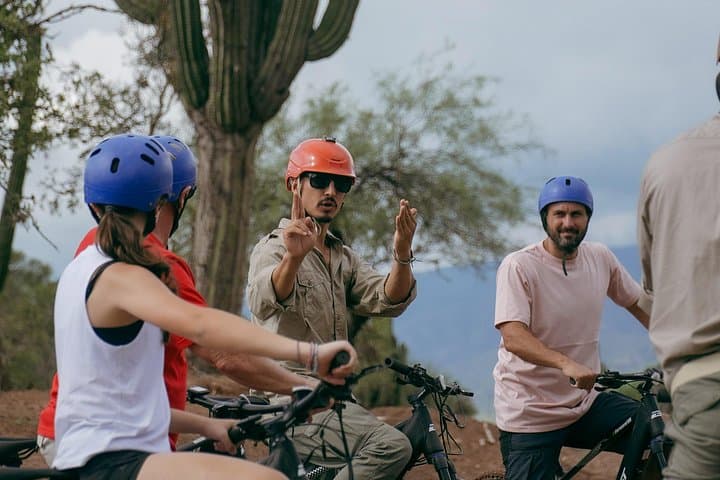


The ride begins on a dusty lane where the air tastes faintly of sun‑baked earth and the low slopes wear rows of vines like regimented green stripes. Riders mount quiet electric bikes and glide away from the camp, the motor gently pushing them up old tracks while cardinals flit between cactus and vineyard, their calls punctuating the valley.
The ride begins on a dusty lane where the air tastes faintly of sun‑baked earth and the low slopes wear rows of vines like regimented green stripes. Riders mount quiet electric bikes and glide away from the camp, the motor gently pushing them up old tracks while cardinals flit between cactus and vineyard, their calls punctuating the valley.
This stretch of the Calchaquí Valleys carries history under its wheels: colonial royal roads once threaded these same corridors, linking the Viceroyalty of the Río de la Plata with Upper Peru and leaving stone traces and archaeological fragments along the way. Geology is on display too—sedimentary layers tilted by Andean uplift reveal red fins and sculpted gullies that guide wind and water. Local culture centers on small‑scale viticulture; Torrontés vines and dryland farming shape the human footprint.
Practically, the Pasacana loop is a two‑hour guided circuit on private reserve roads and vineyard tracks. Riders should expect mixed surfaces—compacted dirt, gravel and short steeper pitches—made manageable by pedal‑assist e‑bikes. Guides point out birding hotspots, protected animal tracks and a gallery area where the tour concludes.
Bring a full water bottle, sun protection and closed‑toe shoes; a light wind layer helps on exposed ridges. Start mid‑morning to catch active birdlife and softer light on the rocks, or late afternoon for warmer colors and cooler air. Respect the private reserve—stay on route, keep pace with the group and carry out any trash. The ride delivers easy distance with high payoff: vineyards, birdwatching and a direct line into the valley’s human and geological past.