THE ADVENTURE COLLECTIVE® · Independent discovery and booking for outdoor travel

Cycle through Tirana’s layered history on an easy electric-bike route that links Skanderbeg Square, the Pyramid, Roman ruins, and the expansive Grand Park. In 2–3 hours you’ll see the city’s contrasts up close with time to pause and ask questions.
Cycle through Tirana’s layered history on an easy electric-bike route that links Skanderbeg Square, the Pyramid, Roman ruins, and the expansive Grand Park. In 2–3 hours you’ll see the city’s contrasts up close with time to pause and ask questions.
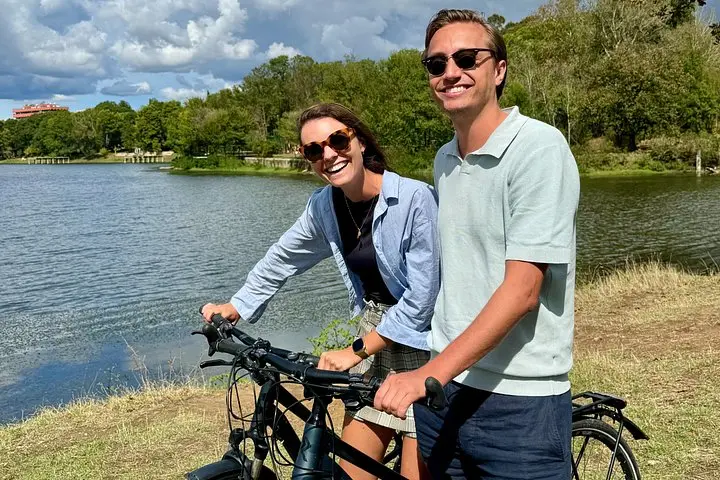
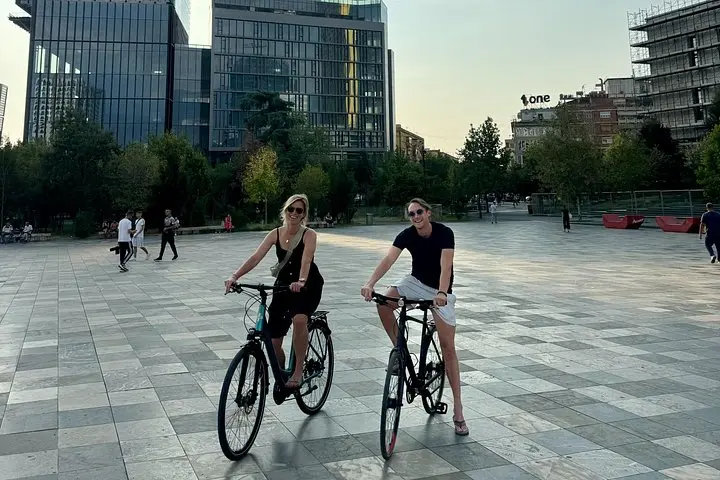
Pedaling out from Tirana’s Old Bazaar, the city unfolds as a rideable story: painted facades give way to Soviet-era concrete, then open into the green hush of Grand Park where the lake dares you to slow down. The electric assist keeps the pace easy, letting riders take in 10 kilometers of the capital’s evolutionary layers without losing energy.
Verified experiences and guided adventures in the surrounding area.
Operated by Bike Tour Tirana by Purealb · Tirana, Tirana
Pedaling out from Tirana’s Old Bazaar, the city unfolds as a rideable story: painted facades give way to Soviet-era concrete, then open into the green hush of Grand Park where the lake dares you to slow down. The electric assist keeps the pace easy, letting riders take in 10 kilometers of the capital’s evolutionary layers without losing energy.
Tirana’s relatively recent rise as Albania’s political and cultural center is visible at every turn — Skanderbeg Square’s blend of Ottoman, Fascist, and Communist-era architecture, the converted Pyramid, and the bunker museums that recall the isolationist Hoxha years. Geologically, the plain sits below the Dajti massif; glimpses of limestone ridgelines to the east hint at the karst landscape shaping the region. Culturally, the city is notable for religious coexistence and a fast-moving urban renewal that places contemporary art next to ancient Roman foundations uncovered near Toptani.
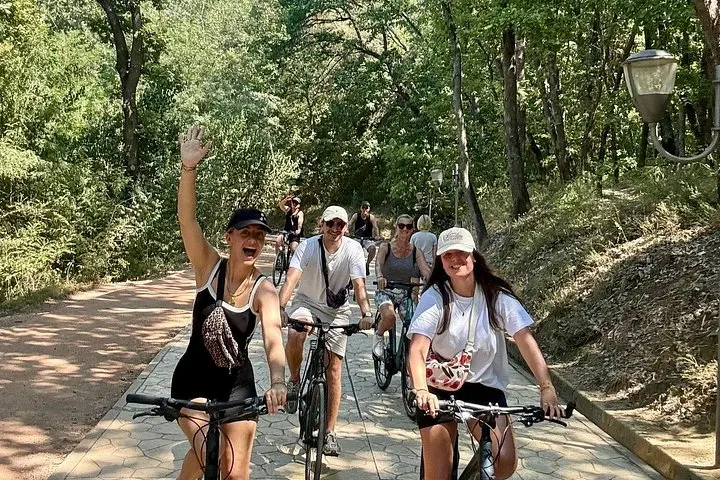
Practically, the tour is designed for easy, relaxed exploration: expect paved bike lanes, short stops at monuments, and a longer stretch through Grand Park’s shaded paths and lakeside promenades. Riders should bring a light jacket for breezy evenings, sun protection in summer, and comfortable closed-toe shoes for short climbs or cobbled streets. Riders with limited mobility can generally participate thanks to electric-assist bikes but should notify guides in advance. Aim for morning departures to avoid afternoon traffic and heat, charge phones beforehand for photos, and carry a small local-currency note for museum tips or cafe breaks. The route balances history, urban texture, and green space — an accessible way to feel Tirana’s transformation under your wheels.
No — electric assist makes the route accessible for beginners, though basic bike-handling skills are helpful.
Most operators provide helmets; you can request your own in advance if preferred.
Tours may be canceled or rescheduled for heavy rain; check the operator policy which usually requires 24-hour notice for full refunds.
Yes — suitable for older children who can ride safely; confirm minimum age with the operator when booking.
Bike Tour Tirana by Purealb operates guided outdoor trips and adventures with an emphasis on safety, stewardship, and memorable experiences.

Pedaling out from Tirana’s Old Bazaar, the city unfolds as a rideable story: painted facades give way to Soviet-era concrete, then open into the green hush of Grand Park where the lake dares you to slow down. The electric assist keeps the pace easy, letting riders take in 10 kilometers of the capital’s evolutionary layers without losing energy.
Pedaling out from Tirana’s Old Bazaar, the city unfolds as a rideable story: painted facades give way to Soviet-era concrete, then open into the green hush of Grand Park where the lake dares you to slow down. The electric assist keeps the pace easy, letting riders take in 10 kilometers of the capital’s evolutionary layers without losing energy.
Tirana’s relatively recent rise as Albania’s political and cultural center is visible at every turn — Skanderbeg Square’s blend of Ottoman, Fascist, and Communist-era architecture, the converted Pyramid, and the bunker museums that recall the isolationist Hoxha years. Geologically, the plain sits below the Dajti massif; glimpses of limestone ridgelines to the east hint at the karst landscape shaping the region. Culturally, the city is notable for religious coexistence and a fast-moving urban renewal that places contemporary art next to ancient Roman foundations uncovered near Toptani.
Practically, the tour is designed for easy, relaxed exploration: expect paved bike lanes, short stops at monuments, and a longer stretch through Grand Park’s shaded paths and lakeside promenades. Riders should bring a light jacket for breezy evenings, sun protection in summer, and comfortable closed-toe shoes for short climbs or cobbled streets. Riders with limited mobility can generally participate thanks to electric-assist bikes but should notify guides in advance. Aim for morning departures to avoid afternoon traffic and heat, charge phones beforehand for photos, and carry a small local-currency note for museum tips or cafe breaks. The route balances history, urban texture, and green space — an accessible way to feel Tirana’s transformation under your wheels.