THE ADVENTURE COLLECTIVE® · Independent discovery and booking for outdoor travel

Ride an electric-assist bike along the car-free Historic Highway State Trail to hidden waterfalls, river beaches, and dramatic overlooks in the Columbia River Gorge. This self-guided half-day tour pairs easy pedaling with big geology and a waterfront picnic option.
Ride an electric-assist bike along the car-free Historic Highway State Trail to hidden waterfalls, river beaches, and dramatic overlooks in the Columbia River Gorge. This self-guided half-day tour pairs easy pedaling with big geology and a waterfront picnic option.
You start at the Wyeth trailhead with the basalt walls of the Gorge compressing the sky above you and the Columbia River pushing a steady current at your feet. Pedaling an electric-assist bike on the car-free Historic Highway State Trail, the first spray of Hole-in-the-Wall Falls cools the air; farther along, Cabin Creek and Starvation Creek announce themselves with theatrical drops and moss-dark bowls.
Verified experiences and guided adventures in the surrounding area.
Operated by Bike the Gorge · Cascade Locks, Oregon
You start at the Wyeth trailhead with the basalt walls of the Gorge compressing the sky above you and the Columbia River pushing a steady current at your feet. Pedaling an electric-assist bike on the car-free Historic Highway State Trail, the first spray of Hole-in-the-Wall Falls cools the air; farther along, Cabin Creek and Starvation Creek announce themselves with theatrical drops and moss-dark bowls.
This corridor was carved by the Missoula Floods and shaped further by 20th-century road builders who stitched the Historic Columbia River Highway into cliff ledges and tunnels. Mitchell Point’s reconstructed tunnel and the old viaducts recall the era when auto tourism first opened these views; today the path prioritizes human-powered exploration and quieter access to tributary streams and river beaches.
Geology is visible everywhere: columnar basalt, talus slopes, and benchlands that frame viewpoints. Cultural notes include local salmon runs downstream and the Gorge’s significance to Columbia River tribes; please respect fishing sites and private property.
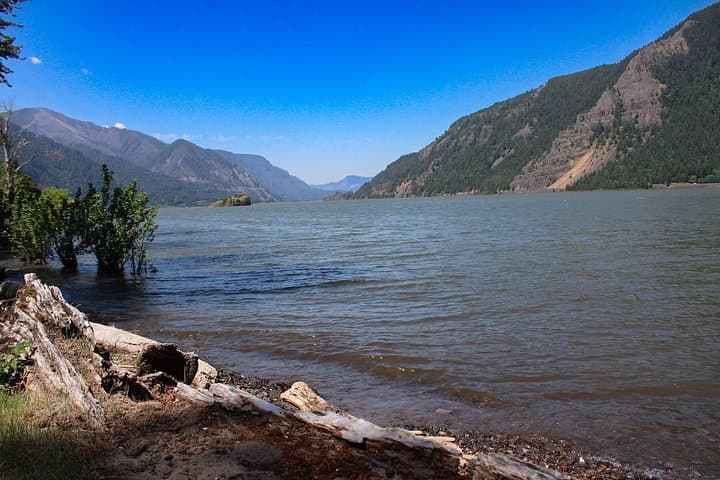
Practical guidance: expect 8–12 miles total depending on optional extensions and plan 2.5–3 hours for a half-day self-guided loop. Bring a charged phone, snacks (saddlebags included), and layers—the microclimate changes abruptly between shaded canyon and exposed riverbank. Helmets and locks come with the rental; battery range is ample for the advertised route but confirm charge before departure. Time your ride for morning or late afternoon to avoid midday glare and crowds; leave no trace, keep to the designated path, and pause at the Viento waterfront for a picnic or to cool off in the shallows.
The core self-guided route covers roughly 8–12 miles round trip depending on optional Mitchell Point extension and short hikes to waterfalls.
Yes—bluetooth helmets with mic and speaker are included with each bike at check-in.
Family-friendly options are available (e-bikes, e-trikes, and passenger seats) but confirm specific equipment and age limits when booking.
Wyeth Trailhead has limited parking and porta-toilets seasonally; larger facilities are available at nearby state parks—plan accordingly before departure.
Bike the Gorge operates guided outdoor trips and adventures with an emphasis on safety, stewardship, and memorable experiences.

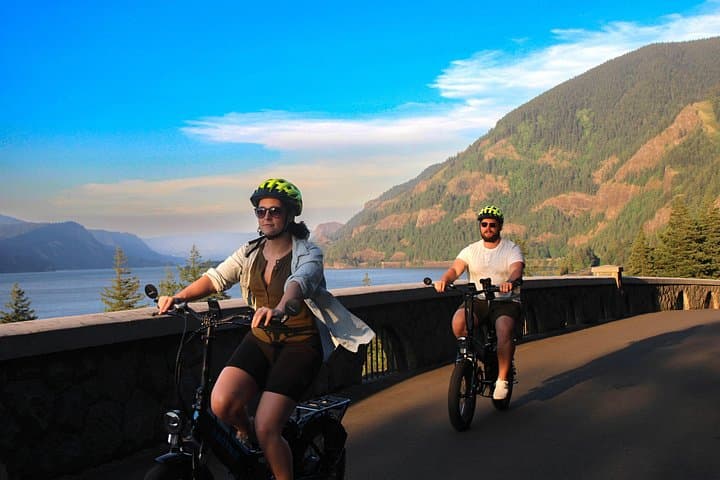
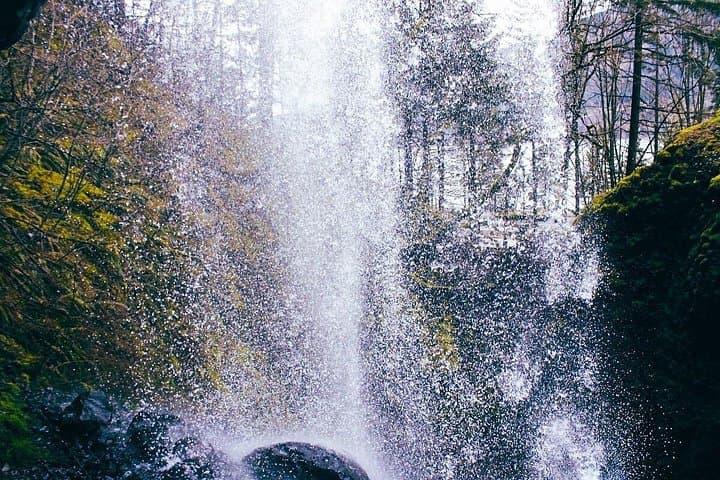
You start at the Wyeth trailhead with the basalt walls of the Gorge compressing the sky above you and the Columbia River pushing a steady current at your feet. Pedaling an electric-assist bike on the car-free Historic Highway State Trail, the first spray of Hole-in-the-Wall Falls cools the air; farther along, Cabin Creek and Starvation Creek announce themselves with theatrical drops and moss-dark bowls.
You start at the Wyeth trailhead with the basalt walls of the Gorge compressing the sky above you and the Columbia River pushing a steady current at your feet. Pedaling an electric-assist bike on the car-free Historic Highway State Trail, the first spray of Hole-in-the-Wall Falls cools the air; farther along, Cabin Creek and Starvation Creek announce themselves with theatrical drops and moss-dark bowls.
This corridor was carved by the Missoula Floods and shaped further by 20th-century road builders who stitched the Historic Columbia River Highway into cliff ledges and tunnels. Mitchell Point’s reconstructed tunnel and the old viaducts recall the era when auto tourism first opened these views; today the path prioritizes human-powered exploration and quieter access to tributary streams and river beaches.
Geology is visible everywhere: columnar basalt, talus slopes, and benchlands that frame viewpoints. Cultural notes include local salmon runs downstream and the Gorge’s significance to Columbia River tribes; please respect fishing sites and private property.
Practical guidance: expect 8–12 miles total depending on optional extensions and plan 2.5–3 hours for a half-day self-guided loop. Bring a charged phone, snacks (saddlebags included), and layers—the microclimate changes abruptly between shaded canyon and exposed riverbank. Helmets and locks come with the rental; battery range is ample for the advertised route but confirm charge before departure. Time your ride for morning or late afternoon to avoid midday glare and crowds; leave no trace, keep to the designated path, and pause at the Viento waterfront for a picnic or to cool off in the shallows.