THE ADVENTURE COLLECTIVE® · Independent discovery and booking for outdoor travel

Take a full-day coach from Munich to the Berchtesgaden Alps to stand on the terrace of Kehlsteinhaus (Eagle’s Nest) and read history against sweeping Alpine views. Seasonal access (May–October) and solid boots make this both a scenic and practical day out.
Take a full-day coach from Munich to the Berchtesgaden Alps to stand on the terrace of Kehlsteinhaus (Eagle’s Nest) and read history against sweeping Alpine views. Seasonal access (May–October) and solid boots make this both a scenic and practical day out.
You step off a polished coach on a narrow mountain road and the air immediately thins, cold and sharp with pine and stone. The bus delivers visitors toward Obersalzberg, the switchbacks hugging steep walls as fields slip away and jagged limestone peaks rise. At 1,834 meters (6,148 ft) Kehlsteinhaus perches above a ribbon of valleys; an elevator carved through rock takes you to the terrace where Alpine ridgelines and glacial valleys open in every direction.
Verified experiences and guided adventures in the surrounding area.
Operated by Gray Line Münchener Stadtrundfahrten · Berchtesgaden, Bavaria
You step off a polished coach on a narrow mountain road and the air immediately thins, cold and sharp with pine and stone. The bus delivers visitors toward Obersalzberg, the switchbacks hugging steep walls as fields slip away and jagged limestone peaks rise. At 1,834 meters (6,148 ft) Kehlsteinhaus perches above a ribbon of valleys; an elevator carved through rock takes you to the terrace where Alpine ridgelines and glacial valleys open in every direction.
The site is inseparable from 20th-century history: built as a Nazi-era summit lodge and seldom used by its intended occupant, the Eagle’s Nest now functions as a place to read the past against a raw mountain backdrop. Geologically, the Berchtesgaden Alps are primarily Dachstein and Ramsau limestone—steep faces, karst features, and fast-draining soils that create sudden springs and narrow trails.
Culturally the valley retains Bavarian mountain traditions: alpine huts, simple regional fare, and a cautious approach to interpreting difficult history. Expect a mix of coach time (roughly two hours each way from Munich), a special shuttle up to the Kehlstein bus station, a tunneled elevator ride, and an hour or two on the terrace and nearby paths. The operator usually includes coach transport and a professional guide; the Eagle’s Nest is open seasonally (May–October) and closes in snow.
Practical guide: wear sturdy shoes for uneven paths, dress in layers for rapid temperature swings, carry water and sun protection, and bring ID—a passport is required. If Eagle’s Nest is closed for weather, the tour commonly substitutes the region’s salt mines or the Documentation Center. Allow ten hours for the round trip and plan for limited on-site services and steep walking sections on descent paths.
Most operators include transport and priority access up the Kehlstein bus and elevator, but policies vary—confirm entry inclusions when booking.
Kehlsteinhaus is typically open from May through October, weather permitting; in winter the site is usually closed and the tour may visit other attractions like the salt mines.
Access involves a tunnel and elevator to the summit, but there are stone paths and steps; travelers with serious heart conditions or late-stage pregnancy are advised not to join this tour.
Expect about 45–90 minutes of free time on the summit terrace, plus additional time to visit the Documentation Center or nearby viewpoints depending on the itinerary.
Gray Line Münchener Stadtrundfahrten operates guided outdoor trips and adventures with an emphasis on safety, stewardship, and memorable experiences.
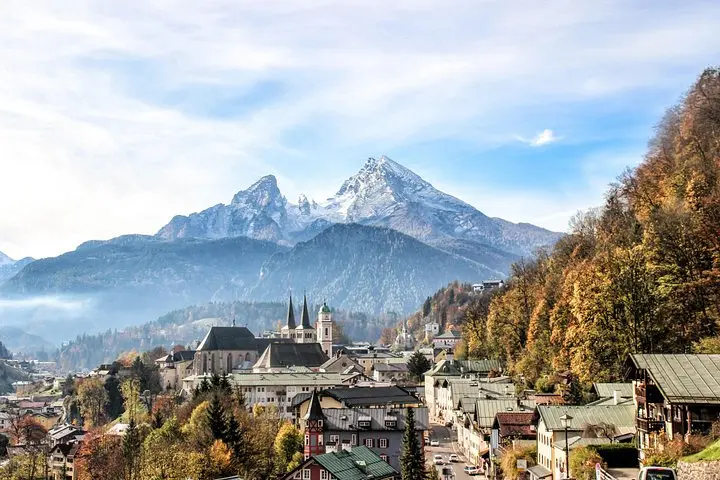
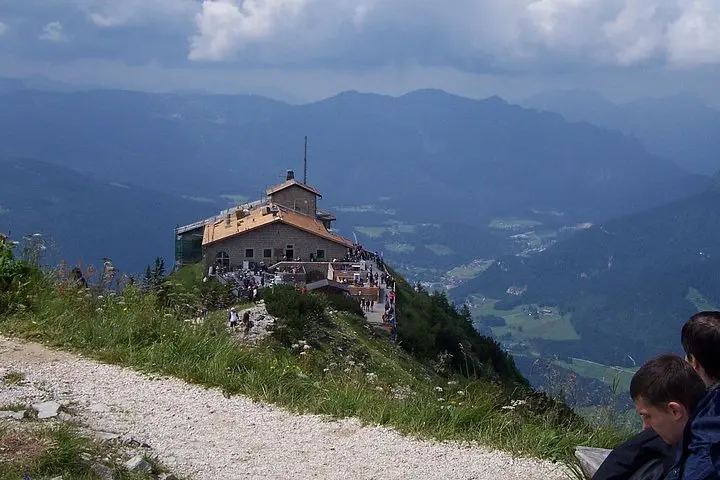
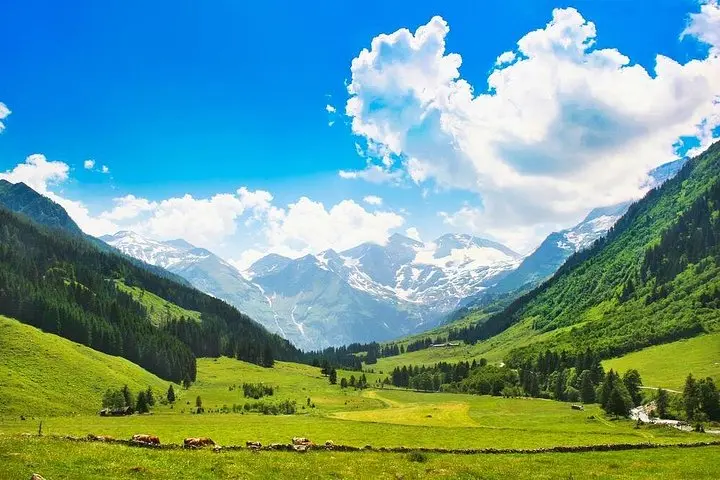
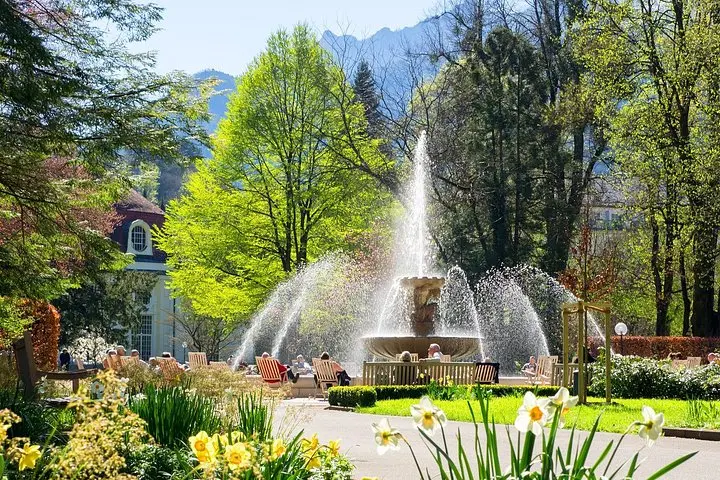
You step off a polished coach on a narrow mountain road and the air immediately thins, cold and sharp with pine and stone. The bus delivers visitors toward Obersalzberg, the switchbacks hugging steep walls as fields slip away and jagged limestone peaks rise. At 1,834 meters (6,148 ft) Kehlsteinhaus perches above a ribbon of valleys; an elevator carved through rock takes you to the terrace where Alpine ridgelines and glacial valleys open in every direction.
You step off a polished coach on a narrow mountain road and the air immediately thins, cold and sharp with pine and stone. The bus delivers visitors toward Obersalzberg, the switchbacks hugging steep walls as fields slip away and jagged limestone peaks rise. At 1,834 meters (6,148 ft) Kehlsteinhaus perches above a ribbon of valleys; an elevator carved through rock takes you to the terrace where Alpine ridgelines and glacial valleys open in every direction.
The site is inseparable from 20th-century history: built as a Nazi-era summit lodge and seldom used by its intended occupant, the Eagle’s Nest now functions as a place to read the past against a raw mountain backdrop. Geologically, the Berchtesgaden Alps are primarily Dachstein and Ramsau limestone—steep faces, karst features, and fast-draining soils that create sudden springs and narrow trails.
Culturally the valley retains Bavarian mountain traditions: alpine huts, simple regional fare, and a cautious approach to interpreting difficult history. Expect a mix of coach time (roughly two hours each way from Munich), a special shuttle up to the Kehlstein bus station, a tunneled elevator ride, and an hour or two on the terrace and nearby paths. The operator usually includes coach transport and a professional guide; the Eagle’s Nest is open seasonally (May–October) and closes in snow.
Practical guide: wear sturdy shoes for uneven paths, dress in layers for rapid temperature swings, carry water and sun protection, and bring ID—a passport is required. If Eagle’s Nest is closed for weather, the tour commonly substitutes the region’s salt mines or the Documentation Center. Allow ten hours for the round trip and plan for limited on-site services and steep walking sections on descent paths.