THE ADVENTURE COLLECTIVE® · Independent discovery and booking for outdoor travel

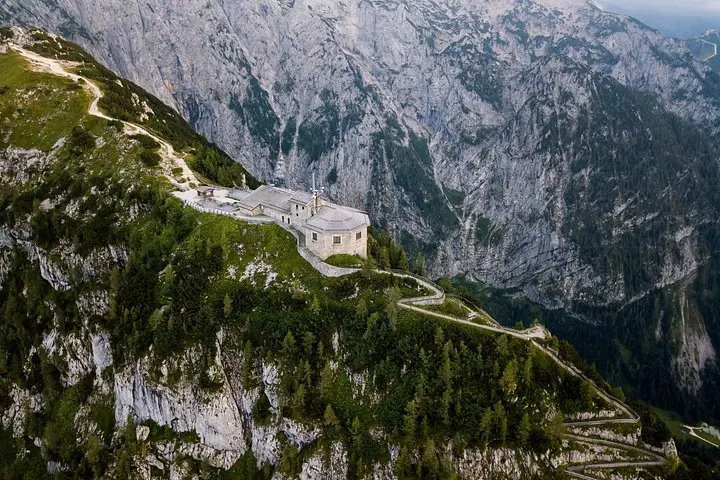
Stand at 1,834 m above the Berchtesgadener valley and follow a private guide through Obersalzberg's wartime history. This half-day tour blends mountaintop views with on-site interpretation at the Eagle's Nest and lesser-known ruins.
Stand at 1,834 m above the Berchtesgadener valley and follow a private guide through Obersalzberg's wartime history. This half-day tour blends mountaintop views with on-site interpretation at the Eagle's Nest and lesser-known ruins.
You arrive on a narrow, pine-fringed road that climbs into thin air; the mountain seems to pull you upward and the valley below opens like a map. The guide steps out, keys in hand, and the bus eases toward the Kehlstein road—an engineered ribbon through cliffs—while the Alps loom colder and closer.
Verified experiences and guided adventures in the surrounding area.
Operated by Discover Eagle's Nest Tours · Berchtesgaden, Bavaria
You arrive on a narrow, pine-fringed road that climbs into thin air; the mountain seems to pull you upward and the valley below opens like a map. The guide steps out, keys in hand, and the bus eases toward the Kehlstein road—an engineered ribbon through cliffs—while the Alps loom colder and closer.
This half-day tour threads modern mountain scenery with a difficult past. Obersalzberg was the southern headquarters of the Nazi leadership; the Kehlsteinhaus, commonly called the Eagle's Nest, was completed in 1938 as a mountaintop retreat and has since become a focal point for historical interpretation. Geologically, the area is a mix of Triassic limestone and steep glacial valleys; the rock walls that brace the road are the same surfaces that funneled alpine weather and views for decades.
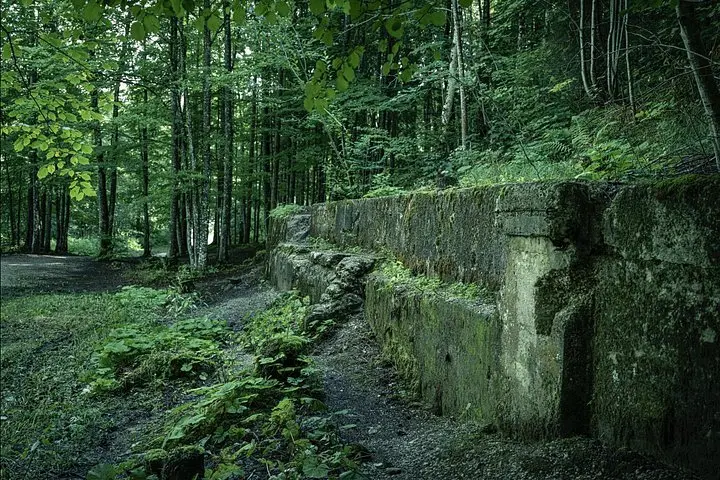
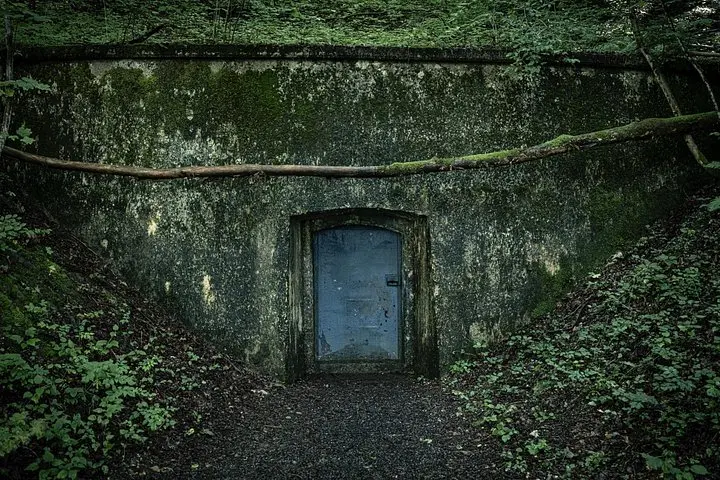
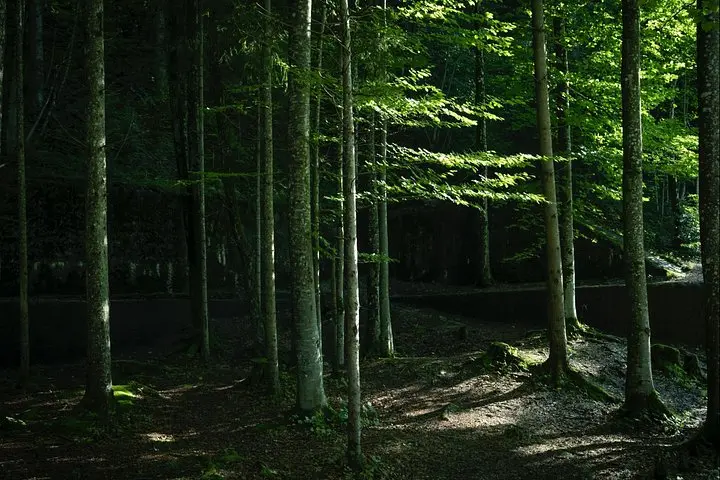
Local culture resists simplification: Berchtesgaden lives on as a small alpine town shaped by both tourism and education. The Documentation Center on Obersalzberg and hidden ruins on the mountainside turn a sightseeing route into a study in memory and landscape. Trees seem to guard the ruins, their roots prying at old foundations as if testing time's grip.
Practical guidance: wear grippy shoes for short uneven walks into the woods, and bring layers—wind and sun trade places quickly above 1,800 m (6,017 ft). The Eagle's Nest building operates seasonally (generally mid‑May–October); if closed, expect an extended driving-and-walking commentary with vantage points replacing interior access. Carry water, allow four hours for pickup, travel, and guided stops, and respect on-site memorial signage—stay on trails and follow your guide's route for safety and context.
The Kehlsteinhaus is typically open mid‑May through October depending on weather; in winter months guides provide detailed historical commentary and drive-by viewpoints instead of building access.
Transport and many tour elements are accessible; however, access to the Kehlsteinhaus interior may involve steps and short walks—check with the operator for specific mobility requirements and pickup accommodations.
The private half-day tour lasts about four hours and begins and ends in Berchtesgaden with pickup options at the train/bus station or local accommodation.
Admission to the Kehlsteinhaus is not included in the tour price; your guide will advise on ticketing and seasonal access during booking.
Discover Eagle's Nest Tours operates guided outdoor trips and adventures with an emphasis on safety, stewardship, and memorable experiences.
You arrive on a narrow, pine-fringed road that climbs into thin air; the mountain seems to pull you upward and the valley below opens like a map. The guide steps out, keys in hand, and the bus eases toward the Kehlstein road—an engineered ribbon through cliffs—while the Alps loom colder and closer.
You arrive on a narrow, pine-fringed road that climbs into thin air; the mountain seems to pull you upward and the valley below opens like a map. The guide steps out, keys in hand, and the bus eases toward the Kehlstein road—an engineered ribbon through cliffs—while the Alps loom colder and closer.
This half-day tour threads modern mountain scenery with a difficult past. Obersalzberg was the southern headquarters of the Nazi leadership; the Kehlsteinhaus, commonly called the Eagle's Nest, was completed in 1938 as a mountaintop retreat and has since become a focal point for historical interpretation. Geologically, the area is a mix of Triassic limestone and steep glacial valleys; the rock walls that brace the road are the same surfaces that funneled alpine weather and views for decades.
Local culture resists simplification: Berchtesgaden lives on as a small alpine town shaped by both tourism and education. The Documentation Center on Obersalzberg and hidden ruins on the mountainside turn a sightseeing route into a study in memory and landscape. Trees seem to guard the ruins, their roots prying at old foundations as if testing time's grip.
Practical guidance: wear grippy shoes for short uneven walks into the woods, and bring layers—wind and sun trade places quickly above 1,800 m (6,017 ft). The Eagle's Nest building operates seasonally (generally mid‑May–October); if closed, expect an extended driving-and-walking commentary with vantage points replacing interior access. Carry water, allow four hours for pickup, travel, and guided stops, and respect on-site memorial signage—stay on trails and follow your guide's route for safety and context.