THE ADVENTURE COLLECTIVE® · Independent discovery and booking for outdoor travel

Beat the lines and go vertical: this early-access Midtown tour pairs the Art Deco grandeur of the Empire State Building with a guided stroll through Macy’s, Bryant Park, and Rockefeller Center — and an optional Top of the Rock upgrade for another unforgettable skyline vantage.
Beat the lines and go vertical: this early-access Midtown tour pairs the Art Deco grandeur of the Empire State Building with a guided stroll through Macy’s, Bryant Park, and Rockefeller Center — and an optional Top of the Rock upgrade for another unforgettable skyline vantage.
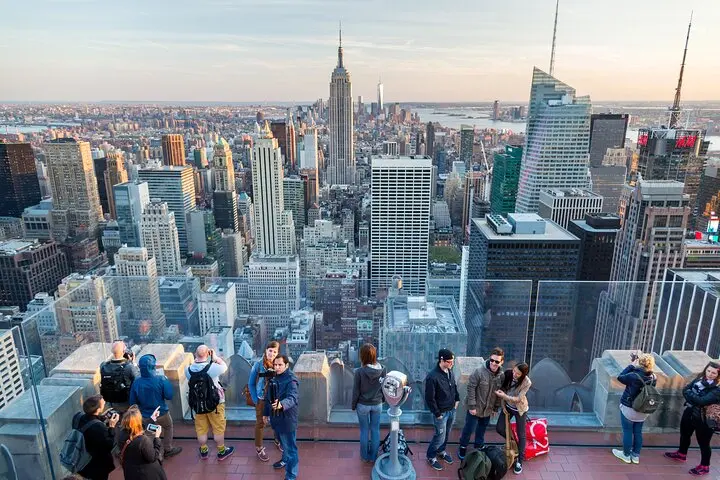
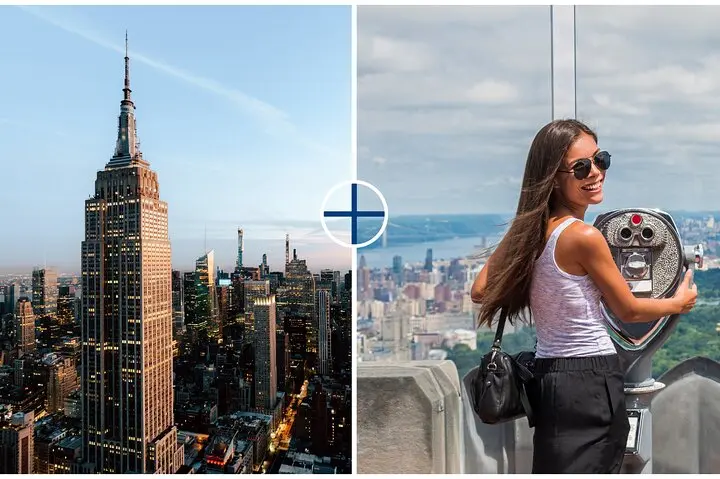
The elevator jolts, voices thin into a hum, and within 60 seconds you’ve been flung from street clutter to an 86th-floor observatory where the city reads like a living map. The tour opens with that cinematic lift—Early Access to the Empire State Building—so you beat the bulk of the crowds and get a first look at Manhattan’s grid, its rivers, and the jagged teeth of distant towers.
Verified experiences and guided adventures in the surrounding area.
Operated by City Wonders USA · New York, NY
The elevator jolts, voices thin into a hum, and within 60 seconds you’ve been flung from street clutter to an 86th-floor observatory where the city reads like a living map. The tour opens with that cinematic lift—Early Access to the Empire State Building—so you beat the bulk of the crowds and get a first look at Manhattan’s grid, its rivers, and the jagged teeth of distant towers.
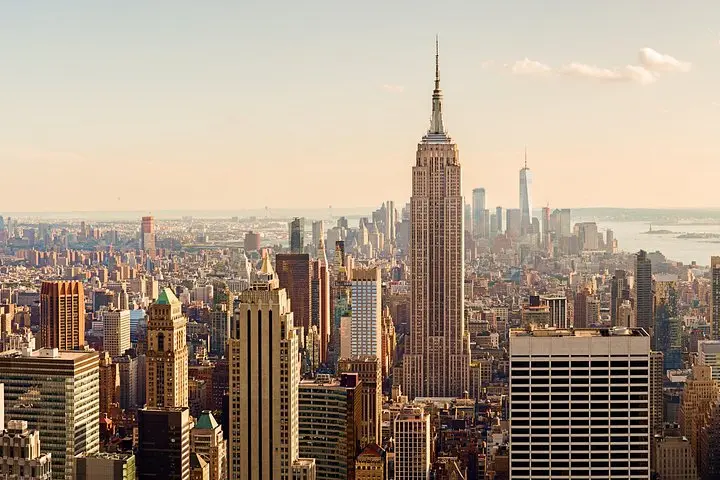
Midtown on foot is a lesson in layered history. The Empire State Building, completed in 1931, still carries the clean angles and copper patina of the Art Deco era; the guide will unwrap details about its construction, its record-holding years, and how it stitched commerce and spectacle into the skyline. Between the observatories you’ll slip past Macy’s Herald Square and the New York Public Library—stone and marble that anchor a neighborhood that grew from 19th-century streets into the traffic-choked spine of modern commerce.
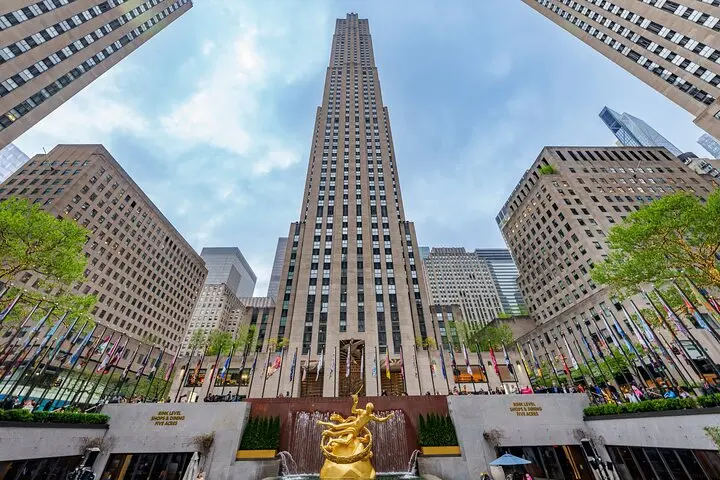
Rockefeller Center changes the city’s rhythm: plazas, channel gardens, and the bright machinery of media at 30 Rockefeller. If you choose the upgrade to Top of the Rock, the view reframes the Empire State Building itself, giving you an almost architectural conversation between buildings—one you saw moments earlier from the opposite vantage.
The geology here is simple but present: the island of Manhattan—glacially scoured bedrock—allows skyscrapers to bite deep into firm schist, which is why these monuments lean on narrow footprints and soar. The cultural pulse is immediate: busy retail, lunchtime ensembles in Bryant Park, and tour guides recounting celebrity radio broadcasts, labor history, and winter holiday rituals.
Practical notes: this tour covers roughly 1.5–2 miles of walking across mostly paved sidewalks and observation decks with elevators. Expect security screening at each observatory and light queues even with early access. Bring comfortable shoes; the guide’s pace is steady and occasionally brisk between stops. The early-access window is the real advantage—low light and calm wind make the first deck shots crisp; evening visits, by contrast, trade tranquility for neon drama.
Accessibility is good but not barrier-free at every point—staff can advise on elevator logistics and stroller folding rules. No outside food or large tripods are permitted, and standard observatory security applies.
For photographers, the Empire State’s 86th-floor railings give close-in architectural shots, while Top of the Rock frames the island and Central Park for classic skyline compositions. Hydrate, charge your phone, and plan your time: the tour ends at Top of the Rock and you can stay to continue exploring. With historical context, skyline perspective, and local color woven together, this Midtown circuit is a compact primer on why New York’s vertical life remains endlessly compelling.
No—the Top of the Rock observatory is an optional upgrade; if selected it’s included in your admission and the tour ends there, allowing you to stay afterwards.
Outside Starbucks Reserve at the corner of 34th Street and 5th Avenue—look for a City Wonders guide with a flag and arrive 15 minutes early.
Yes—strollers are allowed but must be folded in observatory areas; elevators provide access but staff can advise on logistics for wheelchairs.
No—outside food, large tripods, and certain items are prohibited by observatory security and venue rules.
Late arrivals cannot be accommodated; missed tours are not refundable, so punctuality is required.
Yes—photography is permitted, though tripods and professional equipment may be restricted during busy periods.
City Wonders USA operates guided outdoor trips and adventures with an emphasis on safety, stewardship, and memorable experiences.
The elevator jolts, voices thin into a hum, and within 60 seconds you’ve been flung from street clutter to an 86th-floor observatory where the city reads like a living map. The tour opens with that cinematic lift—Early Access to the Empire State Building—so you beat the bulk of the crowds and get a first look at Manhattan’s grid, its rivers, and the jagged teeth of distant towers.
The elevator jolts, voices thin into a hum, and within 60 seconds you’ve been flung from street clutter to an 86th-floor observatory where the city reads like a living map. The tour opens with that cinematic lift—Early Access to the Empire State Building—so you beat the bulk of the crowds and get a first look at Manhattan’s grid, its rivers, and the jagged teeth of distant towers.
Midtown on foot is a lesson in layered history. The Empire State Building, completed in 1931, still carries the clean angles and copper patina of the Art Deco era; the guide will unwrap details about its construction, its record-holding years, and how it stitched commerce and spectacle into the skyline. Between the observatories you’ll slip past Macy’s Herald Square and the New York Public Library—stone and marble that anchor a neighborhood that grew from 19th-century streets into the traffic-choked spine of modern commerce.
Rockefeller Center changes the city’s rhythm: plazas, channel gardens, and the bright machinery of media at 30 Rockefeller. If you choose the upgrade to Top of the Rock, the view reframes the Empire State Building itself, giving you an almost architectural conversation between buildings—one you saw moments earlier from the opposite vantage.
The geology here is simple but present: the island of Manhattan—glacially scoured bedrock—allows skyscrapers to bite deep into firm schist, which is why these monuments lean on narrow footprints and soar. The cultural pulse is immediate: busy retail, lunchtime ensembles in Bryant Park, and tour guides recounting celebrity radio broadcasts, labor history, and winter holiday rituals.
Practical notes: this tour covers roughly 1.5–2 miles of walking across mostly paved sidewalks and observation decks with elevators. Expect security screening at each observatory and light queues even with early access. Bring comfortable shoes; the guide’s pace is steady and occasionally brisk between stops. The early-access window is the real advantage—low light and calm wind make the first deck shots crisp; evening visits, by contrast, trade tranquility for neon drama.
Accessibility is good but not barrier-free at every point—staff can advise on elevator logistics and stroller folding rules. No outside food or large tripods are permitted, and standard observatory security applies.
For photographers, the Empire State’s 86th-floor railings give close-in architectural shots, while Top of the Rock frames the island and Central Park for classic skyline compositions. Hydrate, charge your phone, and plan your time: the tour ends at Top of the Rock and you can stay to continue exploring. With historical context, skyline perspective, and local color woven together, this Midtown circuit is a compact primer on why New York’s vertical life remains endlessly compelling.