THE ADVENTURE COLLECTIVE® · Independent discovery and booking for outdoor travel

Beat the crowds with early access to Pearl Harbor and a guided walk through historic downtown Honolulu. This small-group tour pairs a self-guided visit to the USS Arizona Memorial with curated context at ʻIolani Palace and the King Kamehameha statue.
Beat the crowds with early access to Pearl Harbor and a guided walk through historic downtown Honolulu. This small-group tour pairs a self-guided visit to the USS Arizona Memorial with curated context at ʻIolani Palace and the King Kamehameha statue.
Before sunrise the harbor looks like a dark glass bowl cut into the island — the water holding its breath as the tour van slips through Waikiki and west toward Ford Island. Arriving before the coaches, the small-group tour gives passengers a rare kind of quiet at Pearl Harbor: the soft slap of water against pier pilings, the distant call of terns, and the hushed corridors of the Visitor Center where history feels immediate rather than staged.
Verified experiences and guided adventures in the surrounding area.
Operated by Daniels Hawaii - Tours & Activities · Honolulu, Hawaii
Before sunrise the harbor looks like a dark glass bowl cut into the island — the water holding its breath as the tour van slips through Waikiki and west toward Ford Island. Arriving before the coaches, the small-group tour gives passengers a rare kind of quiet at Pearl Harbor: the soft slap of water against pier pilings, the distant call of terns, and the hushed corridors of the Visitor Center where history feels immediate rather than staged.
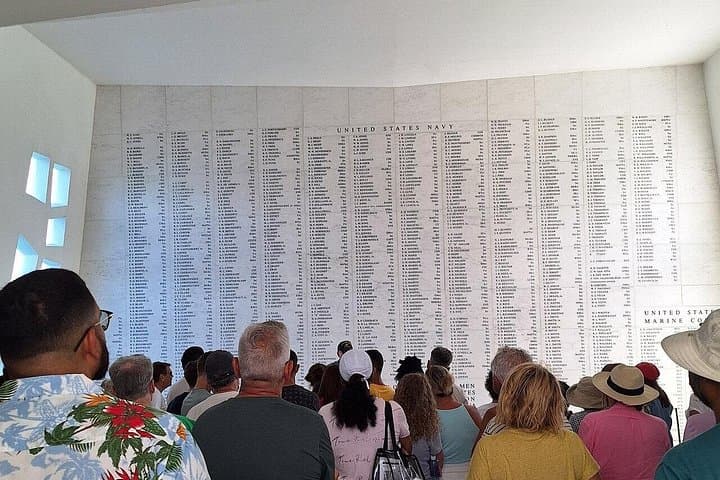
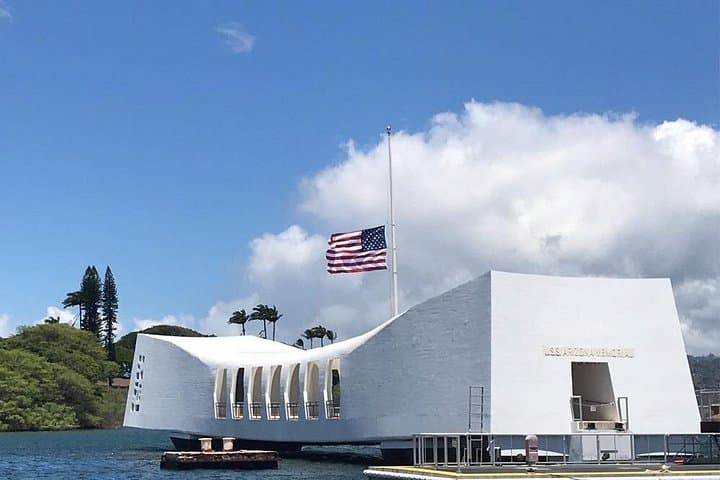
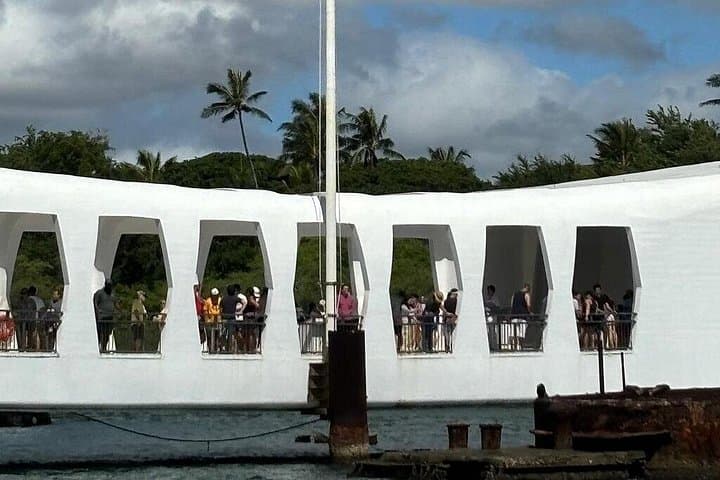
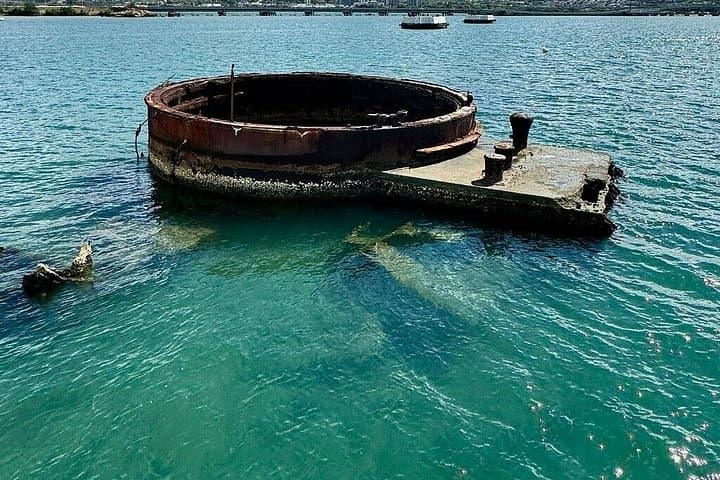
The boat to the USS Arizona Memorial cuts across a shallow lagoon that was once a coral reef, the hull of the launch making the ocean sigh as it nudges the memorial’s float. Standing on that low, white span, visitors find themselves hovering over the resting place of 1,177 sailors and Marines. The memorial’s open roof frames the sky; oil still glints on the water like a slow, stubborn memory. Guides provide orientation and context, but the site is experienced in silence, and that silence is part of the lesson.
Geologically, Oʻahu is a pair of eroded volcanic ranges — Koʻolau to the east and Waiʻanae to the west — with Pearl Harbor occupying a dredged inlet on the island’s southern flank. Culturally, the tour pivots from military history to the intimate layers of Hawaiian life: a guided walk through downtown Honolulu visits ʻIolani Palace, the only royal palace on U.S. soil, and the King Kamehameha statue, each stop a reminder of the islands’ monarchy, the 1893 overthrow, and the complex paths that led to modern Hawaii.
The itinerary balances guided context and self-guided reflection. You’ll get roughly three hours to move through the museum galleries, watch the Pearl Harbor film, explore exhibits, and board the Navy-run boat to the Arizona Memorial (tickets are managed day-of, first-come first-served). The downtown segment — about 30 minutes on foot — is compact: quick stops, photo opportunities, and stories that place Honolulu’s architecture and public art into historical context.
Practical edge: arrive hydrated and sun-ready. The tour runs 5–6 hours, with some standing and short walks on uneven surfaces. Wear supportive shoes; the memorial has ramps but limited shade. Photography is welcome in many spaces, but treat the memorial with restraint — no loud conversations or disrespectful poses. Boat operations are controlled by the Navy and may be suspended; the operator notes there are no refunds if the Navy halts boat service, though the rest of the tour continues.
For travelers who want history without the crush, early access is the difference between reflection and distraction. The storytelling from a knowledgeable guide, paired with time to move through the park on your own, gives both facts and space: a practical, unhurried encounter with one of the 20th century’s most consequential places.
Boat tickets are arranged day-of on a first-come, first-served basis by the tour operator; the Navy controls capacity and may limit or suspend operations.
Much of the Visitor Center and memorial access is wheelchair accessible, but notify the operator ahead of time for pickup and support; some boat transfers may have limitations.
No — visitors view the memorial above the wreck; access to the sunken battleship is restricted as it is a war grave.
Free pickup is provided from Waikiki hotels; pickup times vary (approx. 6:30–10:30 AM) and will be confirmed by DanielsHawaii.
If the Navy suspends boat service there are no refunds for that portion; the tour continues with exhibits, monuments, and the downtown Honolulu walk as planned.
Photography is allowed in many areas, but be discreet and respectful at the memorial; refrain from celebratory poses or noisy group behavior.
Daniels Hawaii - Tours & Activities operates guided outdoor trips and adventures with an emphasis on safety, stewardship, and memorable experiences.
Before sunrise the harbor looks like a dark glass bowl cut into the island — the water holding its breath as the tour van slips through Waikiki and west toward Ford Island. Arriving before the coaches, the small-group tour gives passengers a rare kind of quiet at Pearl Harbor: the soft slap of water against pier pilings, the distant call of terns, and the hushed corridors of the Visitor Center where history feels immediate rather than staged.
Before sunrise the harbor looks like a dark glass bowl cut into the island — the water holding its breath as the tour van slips through Waikiki and west toward Ford Island. Arriving before the coaches, the small-group tour gives passengers a rare kind of quiet at Pearl Harbor: the soft slap of water against pier pilings, the distant call of terns, and the hushed corridors of the Visitor Center where history feels immediate rather than staged.
The boat to the USS Arizona Memorial cuts across a shallow lagoon that was once a coral reef, the hull of the launch making the ocean sigh as it nudges the memorial’s float. Standing on that low, white span, visitors find themselves hovering over the resting place of 1,177 sailors and Marines. The memorial’s open roof frames the sky; oil still glints on the water like a slow, stubborn memory. Guides provide orientation and context, but the site is experienced in silence, and that silence is part of the lesson.
Geologically, Oʻahu is a pair of eroded volcanic ranges — Koʻolau to the east and Waiʻanae to the west — with Pearl Harbor occupying a dredged inlet on the island’s southern flank. Culturally, the tour pivots from military history to the intimate layers of Hawaiian life: a guided walk through downtown Honolulu visits ʻIolani Palace, the only royal palace on U.S. soil, and the King Kamehameha statue, each stop a reminder of the islands’ monarchy, the 1893 overthrow, and the complex paths that led to modern Hawaii.
The itinerary balances guided context and self-guided reflection. You’ll get roughly three hours to move through the museum galleries, watch the Pearl Harbor film, explore exhibits, and board the Navy-run boat to the Arizona Memorial (tickets are managed day-of, first-come first-served). The downtown segment — about 30 minutes on foot — is compact: quick stops, photo opportunities, and stories that place Honolulu’s architecture and public art into historical context.
Practical edge: arrive hydrated and sun-ready. The tour runs 5–6 hours, with some standing and short walks on uneven surfaces. Wear supportive shoes; the memorial has ramps but limited shade. Photography is welcome in many spaces, but treat the memorial with restraint — no loud conversations or disrespectful poses. Boat operations are controlled by the Navy and may be suspended; the operator notes there are no refunds if the Navy halts boat service, though the rest of the tour continues.
For travelers who want history without the crush, early access is the difference between reflection and distraction. The storytelling from a knowledgeable guide, paired with time to move through the park on your own, gives both facts and space: a practical, unhurried encounter with one of the 20th century’s most consequential places.