THE ADVENTURE COLLECTIVE® · Independent discovery and booking for outdoor travel

Drive 16 km from Manuel Antonio into Esquipulas’ rural birding pockets on this private, guide-led outing. Expect close views of toucans, motmots and scarlet macaws, a Swarovski scope for group viewing, and a post-tour species list plus local Casado lunch.
Drive 16 km from Manuel Antonio into Esquipulas’ rural birding pockets on this private, guide-led outing. Expect close views of toucans, motmots and scarlet macaws, a Swarovski scope for group viewing, and a post-tour species list plus local Casado lunch.
A humid dawn presses against the van window as you roll out of Manuel Antonio, headlights cutting through low cloud and roadside palms.
Verified experiences and guided adventures in the surrounding area.
Operated by Costa Rica Wáköö Tours · Manuel Antonio, Puntarenas
A humid dawn presses against the van window as you roll out of Manuel Antonio, headlights cutting through low cloud and roadside palms.
Within half an hour the road narrows into a scuffed rural ribbon and the forest leans in—toucans call like rolling bells, a motmot flashes its racket-tail, and hawks wheel above broken canopy. This private Esquipulas birding tour drives roughly 16 km into proven birding pockets on the Pacific slope, where lowland rainforest, secondary farms and riparian thickets create a patchwork of habitats that concentrate migrants and resident species.
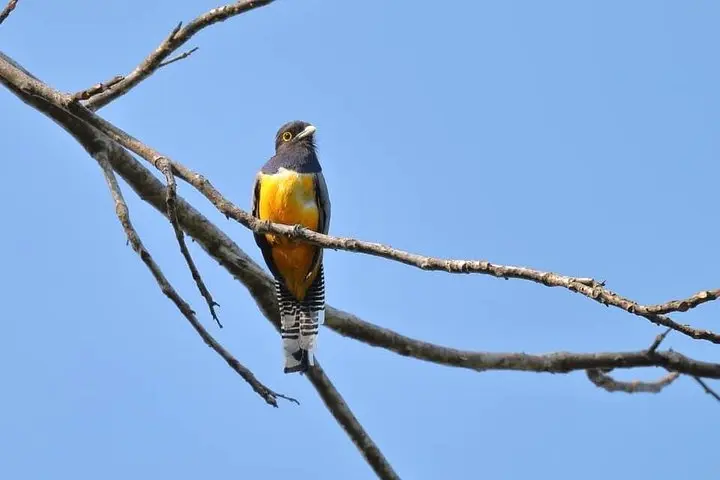
The region sits on volcanic soils that feed lush understory growth, and local farms and small hamlets reflect Puntarenas’s coastal rural culture—guides here mix natural-history knowledge with a long memory for territorial trogons and seasonal macaw flocks.
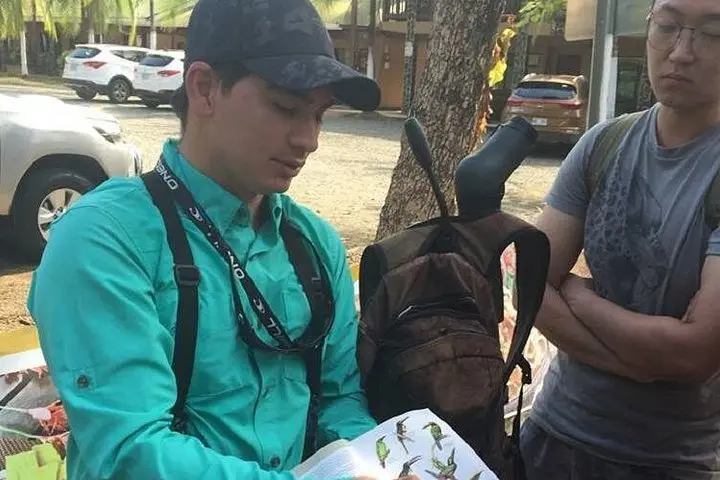
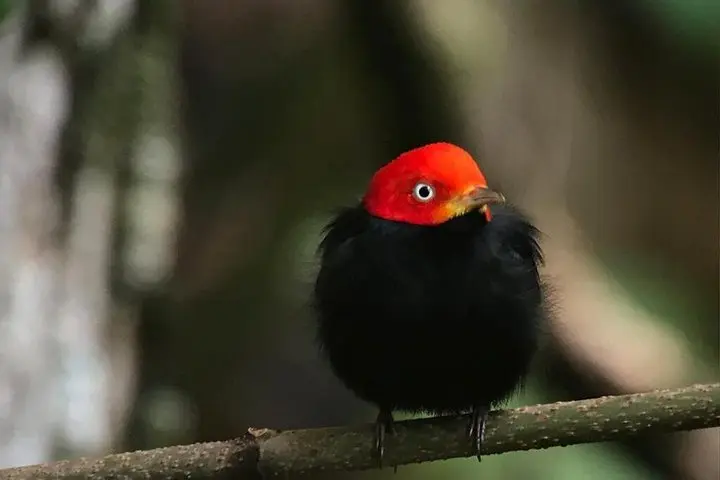
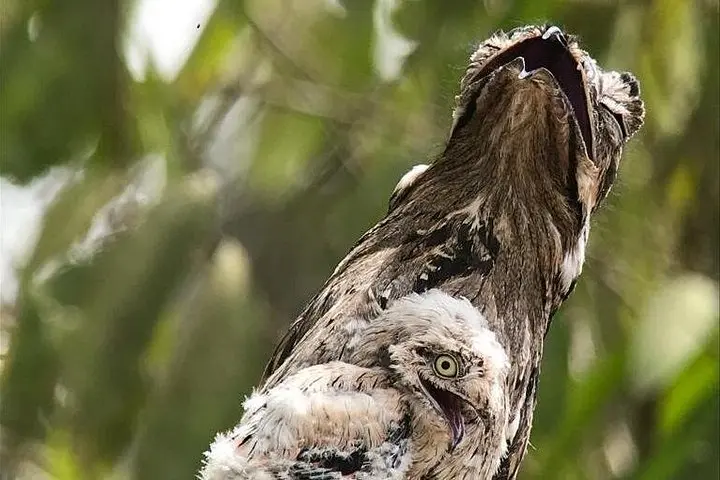
Expect a guide-led, low-impact outing: short, quiet walks and roadside stops with a Swarovski spotting scope for group viewing; your guide compiles a species list afterward so you can match names to photos. The trip includes snacks, bottled water and a typical Costa Rican casado lunch at a local restaurant.
Practical notes: pickups often start at 5 a.m.; mornings are prime for migration and vocal displays. Wear muted clothing, sturdy shoes for uneven dirt tracks, and bring a camera with a zoom lens or your own binoculars if you prefer. Keep voices low, move slowly near feeding sites, and be prepared for warm, humid conditions that can change quickly with brief tropical showers.
Pickups commonly begin around 5:00 a.m.; early mornings are when bird activity and vocalizations peak.
Guides target known hotspots with good chances for macaws, toucans, motmots and trogons, but wildlife sightings cannot be guaranteed.
Yes—activities are low-impact with short walks, but notify guides about mobility limits; infants should sit on laps.
The tour includes bottled water, snacks, use of a Swarovski spotting scope, a licensed guide and a typical Costa Rican casado lunch.
Costa Rica Wáköö Tours operates guided outdoor trips and adventures with an emphasis on safety, stewardship, and memorable experiences.
A humid dawn presses against the van window as you roll out of Manuel Antonio, headlights cutting through low cloud and roadside palms.
A humid dawn presses against the van window as you roll out of Manuel Antonio, headlights cutting through low cloud and roadside palms.
Within half an hour the road narrows into a scuffed rural ribbon and the forest leans in—toucans call like rolling bells, a motmot flashes its racket-tail, and hawks wheel above broken canopy. This private Esquipulas birding tour drives roughly 16 km into proven birding pockets on the Pacific slope, where lowland rainforest, secondary farms and riparian thickets create a patchwork of habitats that concentrate migrants and resident species.
The region sits on volcanic soils that feed lush understory growth, and local farms and small hamlets reflect Puntarenas’s coastal rural culture—guides here mix natural-history knowledge with a long memory for territorial trogons and seasonal macaw flocks.
Expect a guide-led, low-impact outing: short, quiet walks and roadside stops with a Swarovski spotting scope for group viewing; your guide compiles a species list afterward so you can match names to photos. The trip includes snacks, bottled water and a typical Costa Rican casado lunch at a local restaurant.
Practical notes: pickups often start at 5 a.m.; mornings are prime for migration and vocal displays. Wear muted clothing, sturdy shoes for uneven dirt tracks, and bring a camera with a zoom lens or your own binoculars if you prefer. Keep voices low, move slowly near feeding sites, and be prepared for warm, humid conditions that can change quickly with brief tropical showers.