THE ADVENTURE COLLECTIVE® · Independent discovery and booking for outdoor travel

Start before the crowds on a four-hour private walking tour through Kamakura’s temples, bamboo groves and the iconic Great Buddha. Local student guides combine history and neighborhood insight while you move at a relaxed, purposeful pace.
Start before the crowds on a four-hour private walking tour through Kamakura’s temples, bamboo groves and the iconic Great Buddha. Local student guides combine history and neighborhood insight while you move at a relaxed, purposeful pace.
Dawn in Kamakura arrives soft and blue, with the sea breathing cool air through cedar-lined streets and temple bells still ringing from morning rituals.
Verified experiences and guided adventures in the surrounding area.
Operated by GuideMe Japan · Kamakura, Kanagawa
Dawn in Kamakura arrives soft and blue, with the sea breathing cool air through cedar-lined streets and temple bells still ringing from morning rituals.
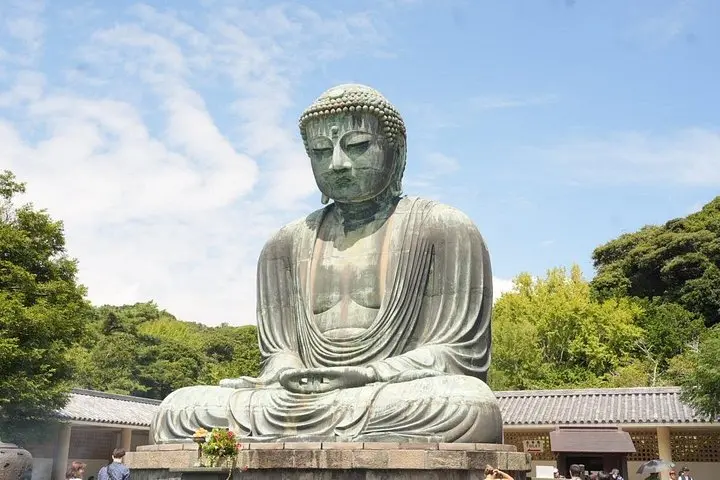
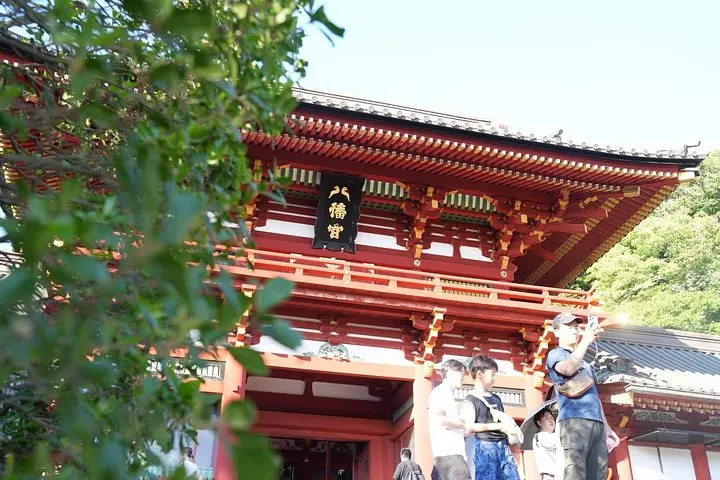
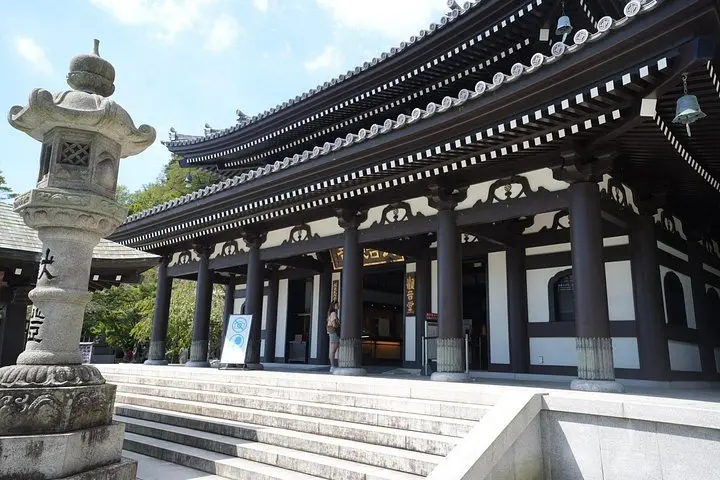
On this early-morning walking tour you move deliberately — up stone steps flanked by moss, across a shrine plaza framed by cedar, and into a bamboo grove that filters light into columns. The itinerary centers on Hasedera’s coastal views and Benzaiten cave, Kōtoku-in’s open-air Daibutsu (Great Buddha), the bamboo paths of Hōkoku-ji, and the grand stairway of Tsurugaoka Hachimangū.
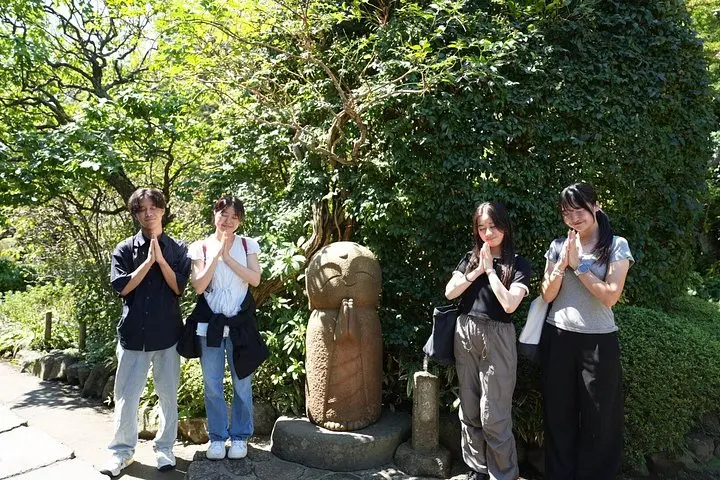
Kamakura’s rise as the seat of the Kamakura shogunate in the late 12th century shaped its collection of temples and samurai-era shrines. Geologically, the city sits where low coastal hills meet Sagami Bay, creating short, steep trails and terraces carved into loam and bedrock. Local culture remains visible in shrine rituals, matcha ceremonies at temple teahouses, and student guides who bring neighborhood lore to life.
Practically: expect 3–4 hours of walking with uneven steps and short inclines; admissions are generally not included, and refundable transport from Tokyo to Kamakura is provided only if you select the Tokyo departure option. The early start avoids crowds and delivers cleaner light for photos. Wear grippy shoes, carry small-change for temple offerings and tea, and allow time at each stop to listen to the guides’ stories — the pace is measured but steady, offering both cultural depth and a clear path through Kamakura’s layered history.
If you select the Tokyo Station departure option, the tour includes transportation to Kamakura; return travel to Tokyo is not provided and must be arranged separately.
No, admissions and any tea-house purchases are typically not included—bring cash for entrance fees and refreshments.
The tour requires moderate fitness and involves stairs and uneven surfaces; it's family-friendly for children used to walking, but not recommended for guests with serious mobility restrictions.
The tour runs as a small private group with a maximum of eight guests, offering personalized pacing and guide interaction.
GuideMe Japan operates guided outdoor trips and adventures with an emphasis on safety, stewardship, and memorable experiences.
Dawn in Kamakura arrives soft and blue, with the sea breathing cool air through cedar-lined streets and temple bells still ringing from morning rituals.
Dawn in Kamakura arrives soft and blue, with the sea breathing cool air through cedar-lined streets and temple bells still ringing from morning rituals.
On this early-morning walking tour you move deliberately — up stone steps flanked by moss, across a shrine plaza framed by cedar, and into a bamboo grove that filters light into columns. The itinerary centers on Hasedera’s coastal views and Benzaiten cave, Kōtoku-in’s open-air Daibutsu (Great Buddha), the bamboo paths of Hōkoku-ji, and the grand stairway of Tsurugaoka Hachimangū.
Kamakura’s rise as the seat of the Kamakura shogunate in the late 12th century shaped its collection of temples and samurai-era shrines. Geologically, the city sits where low coastal hills meet Sagami Bay, creating short, steep trails and terraces carved into loam and bedrock. Local culture remains visible in shrine rituals, matcha ceremonies at temple teahouses, and student guides who bring neighborhood lore to life.
Practically: expect 3–4 hours of walking with uneven steps and short inclines; admissions are generally not included, and refundable transport from Tokyo to Kamakura is provided only if you select the Tokyo departure option. The early start avoids crowds and delivers cleaner light for photos. Wear grippy shoes, carry small-change for temple offerings and tea, and allow time at each stop to listen to the guides’ stories — the pace is measured but steady, offering both cultural depth and a clear path through Kamakura’s layered history.