THE ADVENTURE COLLECTIVE® · Independent discovery and booking for outdoor travel

Rise before dawn for a private transfer to Mirissa and a chance to see blue and sperm whales where deep water meets shore. This private pickup and drop-off tour from Hikkaduwa or Galle combines easy logistics with an all‑morning marine adventure.
Rise before dawn for a private transfer to Mirissa and a chance to see blue and sperm whales where deep water meets shore. This private pickup and drop-off tour from Hikkaduwa or Galle combines easy logistics with an all‑morning marine adventure.
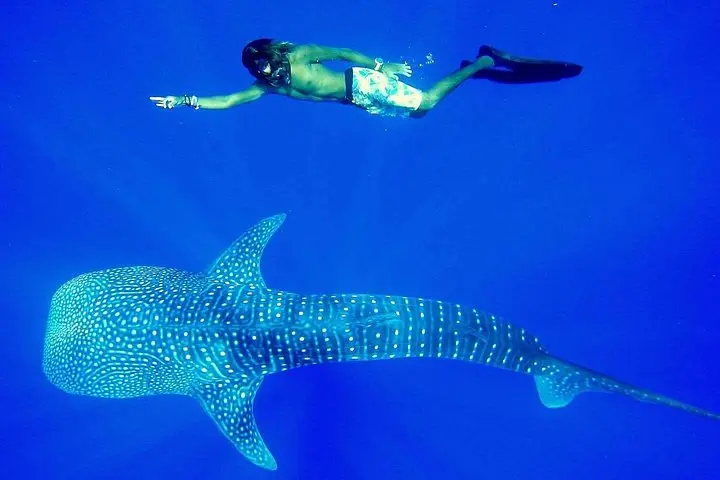
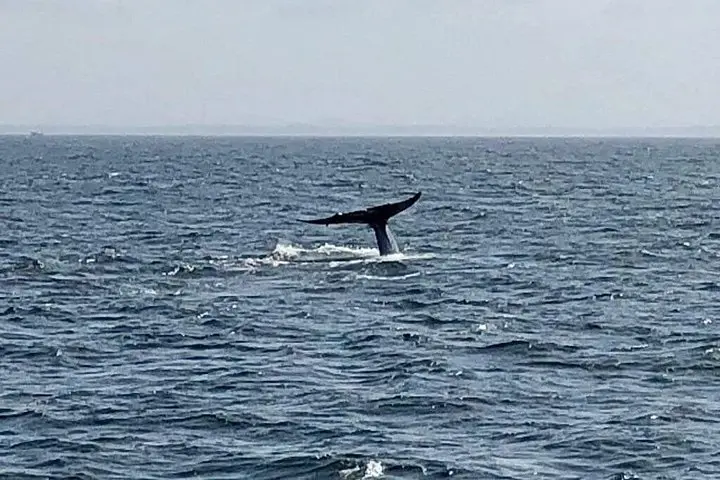
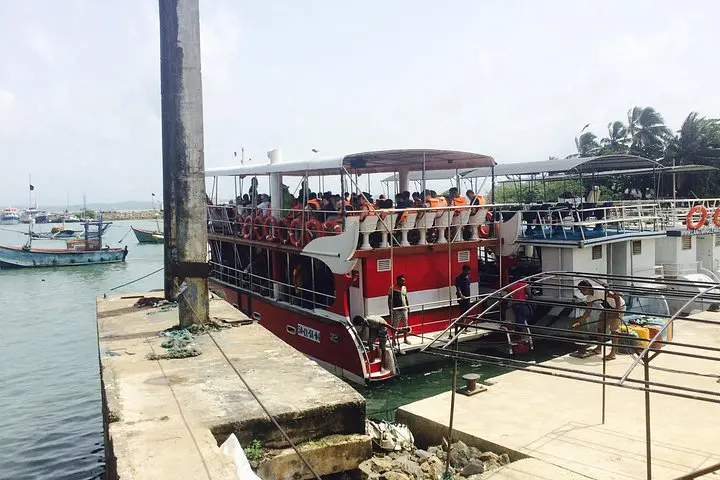
The motor hums before dawn as an air‑conditioned van eases out of coastal sleep—Hikkaduwa lights fade, rice paddies give way to coconut palms, and by 6:30 a.m. you’re at Mirissa harbour watching boats cut toward open water. Salt air sharpens senses; the sea lifts and settles like a living floor beneath the hull. Guides scan the horizon; passengers lean into the possibility of blue or sperm whales breaking that distant plane.
Verified experiences and guided adventures in the surrounding area.
Operated by Hikkaduwa Taxi Service · Mirissa, Southern Province
The motor hums before dawn as an air‑conditioned van eases out of coastal sleep—Hikkaduwa lights fade, rice paddies give way to coconut palms, and by 6:30 a.m. you’re at Mirissa harbour watching boats cut toward open water. Salt air sharpens senses; the sea lifts and settles like a living floor beneath the hull. Guides scan the horizon; passengers lean into the possibility of blue or sperm whales breaking that distant plane.
This stretch of Sri Lanka’s southern coast has long been a fishing corridor—the continental shelf drops quickly here, bringing deep waters close to shore and turning Mirissa into a modern base for cetacean sightings. Nearby Galle tells the colonial story: fort walls, traded spices, and a seafaring culture that shaped local livelihoods. Today small crews, family-run skippers and tourism operators converge at first light.
Expect 4–5 hours round trip when combined with private transfer time. Boats range from semi-rigid launches to wooden dhonis; operators usually include bottled water and breakfast if booked through tour packages. Sightings are seasonal—blue whales peak in winter months—yet no trip can guarantee an encounter, so patience and respect for the animals are standard.
Practical notes: take motion‑sickness meds proactively, dress in layers against spray and breeze, bring binoculars and a waterproof camera, and confirm exact pick‑up times (Hikkaduwa 5:00, Galle 5:30, Unawatuna 5:40). Operators often wait until the whale watch concludes before returning you to your original pickup point—plan for early starts and late mornings back on shore.
Boat departures from Mirissa typically start around 6:30 a.m.; pickups are scheduled earlier depending on your location (e.g., Hikkaduwa 5:00 a.m., Galle 5:30 a.m.).
No—sightings are common in season but never guaranteed. Trips follow best practices to maximize chances while prioritizing animal welfare.
Many operators offer wheelchair‑accessible transport and allow infants; check at booking for boat accessibility and available infant seats.
Operators typically cancel or postpone for safety in rough seas; this tour allows refunds if canceled at least 24 hours in advance or by the operator for weather.
Hikkaduwa Taxi Service operates guided outdoor trips and adventures with an emphasis on safety, stewardship, and memorable experiences.
The motor hums before dawn as an air‑conditioned van eases out of coastal sleep—Hikkaduwa lights fade, rice paddies give way to coconut palms, and by 6:30 a.m. you’re at Mirissa harbour watching boats cut toward open water. Salt air sharpens senses; the sea lifts and settles like a living floor beneath the hull. Guides scan the horizon; passengers lean into the possibility of blue or sperm whales breaking that distant plane.
The motor hums before dawn as an air‑conditioned van eases out of coastal sleep—Hikkaduwa lights fade, rice paddies give way to coconut palms, and by 6:30 a.m. you’re at Mirissa harbour watching boats cut toward open water. Salt air sharpens senses; the sea lifts and settles like a living floor beneath the hull. Guides scan the horizon; passengers lean into the possibility of blue or sperm whales breaking that distant plane.
This stretch of Sri Lanka’s southern coast has long been a fishing corridor—the continental shelf drops quickly here, bringing deep waters close to shore and turning Mirissa into a modern base for cetacean sightings. Nearby Galle tells the colonial story: fort walls, traded spices, and a seafaring culture that shaped local livelihoods. Today small crews, family-run skippers and tourism operators converge at first light.
Expect 4–5 hours round trip when combined with private transfer time. Boats range from semi-rigid launches to wooden dhonis; operators usually include bottled water and breakfast if booked through tour packages. Sightings are seasonal—blue whales peak in winter months—yet no trip can guarantee an encounter, so patience and respect for the animals are standard.
Practical notes: take motion‑sickness meds proactively, dress in layers against spray and breeze, bring binoculars and a waterproof camera, and confirm exact pick‑up times (Hikkaduwa 5:00, Galle 5:30, Unawatuna 5:40). Operators often wait until the whale watch concludes before returning you to your original pickup point—plan for early starts and late mornings back on shore.