THE ADVENTURE COLLECTIVE® · Independent discovery and booking for outdoor travel

Catch Poás at its most dramatic: an early-morning transfer from San José, a family-style Costa Rican breakfast, and guided walks to the active crater and Botos Lagoon. Practical, accessible, and rich in geology and local flavor.
Catch Poás at its most dramatic: an early-morning transfer from San José, a family-style Costa Rican breakfast, and guided walks to the active crater and Botos Lagoon. Practical, accessible, and rich in geology and local flavor.
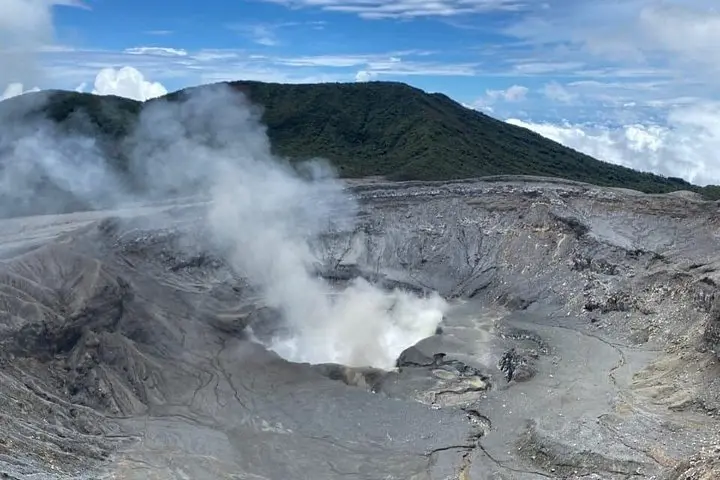
Before sunrise the van eases out of San José and the highway narrows into cloud-drenched hills. By the time the trees thin and the air sharpens, the crater of Poás waits: a raw, steam-breathing bowl that demands attention. Visitors step onto short, paved trails and feel the crater’s breath—sulfur tang and wind that seems to push you toward the rim.
Verified experiences and guided adventures in the surrounding area.
Operated by TravelWellCR · Alajuela, Alajuela
Before sunrise the van eases out of San José and the highway narrows into cloud-drenched hills. By the time the trees thin and the air sharpens, the crater of Poás waits: a raw, steam-breathing bowl that demands attention. Visitors step onto short, paved trails and feel the crater’s breath—sulfur tang and wind that seems to push you toward the rim.
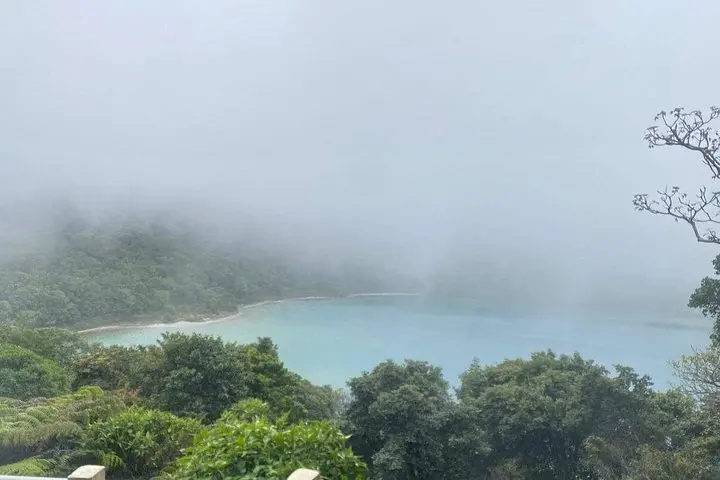
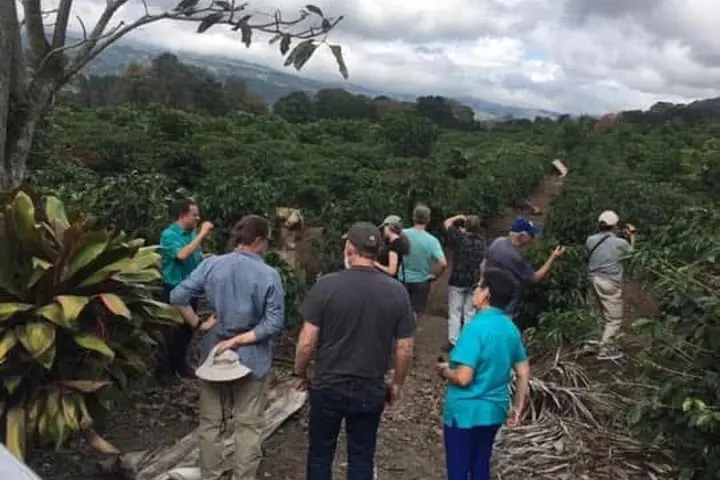
Poás is a stratovolcano standing around 2,708 m (8,885 ft) and hosts one of the world’s largest active acid craters and the calmer Botos Lagoon, a cold, forested crater lake nearby. The surrounding highland communities have long farmed coffee and fruit; the tour’s breakfast stop at Freddo Fresas offers a taste of that local, family-run cuisine—pinto, eggs, ripe banana, and strong Costa Rican coffee—before a guided walk through Poás Volcano National Park.
Expect short, accessible loops rather than long backcountry hikes: the visit here is interpretive and geological more than athletic. Weather is variable—fog, wind, or bright sun can arrive within minutes—so layers and a windproof shell matters. The tour includes roundtrip transport, bilingual guiding, park admission, and the option to be dropped at Juan Santamaría International Airport. Groups are kept small (up to 20), paths are mostly paved with some stairs, and facilities are basic.
Practical tips: arrive early for clearer crater views, carry water and a light rain layer, and note that sulfur fumes can irritate sensitive lungs; masks help. Stay on designated paths, keep noise low to protect wildlife, and bring a camera with a polarizer for crater glare.
The tour runs about 5–6 hours with typical pickup from downtown San José around 6:00 a.m.; exact pickup time depends on your hotel location.
The main viewpoints and paths are relatively short and partially accessible, and the tour lists wheelchair-accessible options—check with the operator for specific needs.
Visibility is weather-dependent; mornings improve your chances but fog and cloud cover can obscure the crater, so sightings are not guaranteed.
Yes—breakfast at a family restaurant is included, and the tour can drop you at Juan Santamaría International Airport at no extra cost if arranged.
TravelWellCR operates guided outdoor trips and adventures with an emphasis on safety, stewardship, and memorable experiences.
Before sunrise the van eases out of San José and the highway narrows into cloud-drenched hills. By the time the trees thin and the air sharpens, the crater of Poás waits: a raw, steam-breathing bowl that demands attention. Visitors step onto short, paved trails and feel the crater’s breath—sulfur tang and wind that seems to push you toward the rim.
Before sunrise the van eases out of San José and the highway narrows into cloud-drenched hills. By the time the trees thin and the air sharpens, the crater of Poás waits: a raw, steam-breathing bowl that demands attention. Visitors step onto short, paved trails and feel the crater’s breath—sulfur tang and wind that seems to push you toward the rim.
Poás is a stratovolcano standing around 2,708 m (8,885 ft) and hosts one of the world’s largest active acid craters and the calmer Botos Lagoon, a cold, forested crater lake nearby. The surrounding highland communities have long farmed coffee and fruit; the tour’s breakfast stop at Freddo Fresas offers a taste of that local, family-run cuisine—pinto, eggs, ripe banana, and strong Costa Rican coffee—before a guided walk through Poás Volcano National Park.
Expect short, accessible loops rather than long backcountry hikes: the visit here is interpretive and geological more than athletic. Weather is variable—fog, wind, or bright sun can arrive within minutes—so layers and a windproof shell matters. The tour includes roundtrip transport, bilingual guiding, park admission, and the option to be dropped at Juan Santamaría International Airport. Groups are kept small (up to 20), paths are mostly paved with some stairs, and facilities are basic.
Practical tips: arrive early for clearer crater views, carry water and a light rain layer, and note that sulfur fumes can irritate sensitive lungs; masks help. Stay on designated paths, keep noise low to protect wildlife, and bring a camera with a polarizer for crater glare.