THE ADVENTURE COLLECTIVE® · Independent discovery and booking for outdoor travel

Beat the crowds at Teotihuacan with an early-morning guided visit to the Pyramids of the Sun and Moon, then dine in La Gruta’s atmospheric cave restaurant. This half‑day tour pairs quiet exploration with cultural flavors.
Beat the crowds at Teotihuacan with an early-morning guided visit to the Pyramids of the Sun and Moon, then dine in La Gruta’s atmospheric cave restaurant. This half‑day tour pairs quiet exploration with cultural flavors.
You arrive before the crowds, sunlight still low on the wide Plaza of the Dead, and the Pyramids of the Sun and Moon rise like carved horizons against a clean blue sky. The air has a dry, mineral chill; small breezes push dust along ancient avenues and the stone seems to hold the day’s heat from long ago.
Verified experiences and guided adventures in the surrounding area.
Operated by Panama San Blas Tours · Teotihuacán, State of Mexico
You arrive before the crowds, sunlight still low on the wide Plaza of the Dead, and the Pyramids of the Sun and Moon rise like carved horizons against a clean blue sky. The air has a dry, mineral chill; small breezes push dust along ancient avenues and the stone seems to hold the day’s heat from long ago.
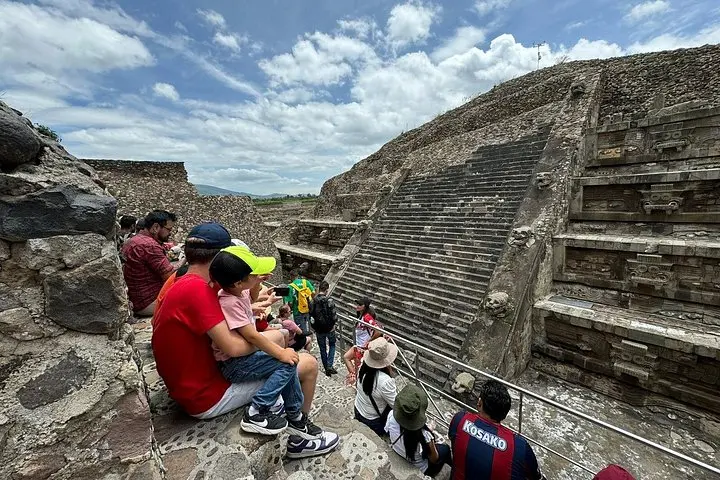
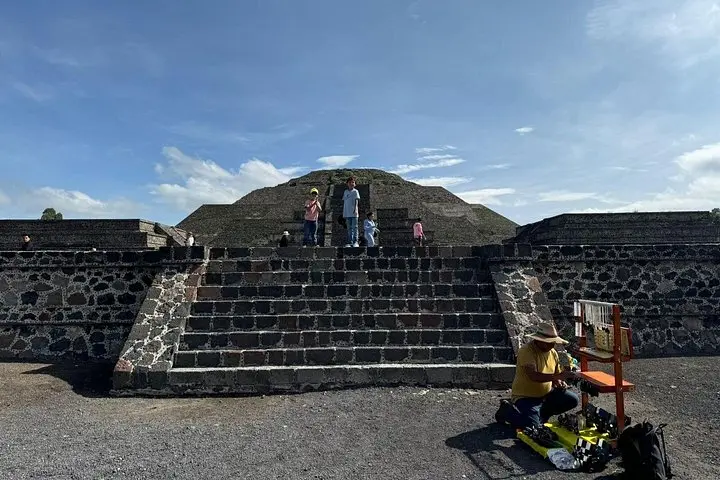
Teotihuacan grew into one of pre-Columbian Mesoamerica’s largest cities between roughly 100–700 AD. Its broad avenues, monumental platforms and aligned plazas reflect careful planning and cosmology. Geologically the site sits on volcanic plateau—tezontle and compacted ash create the packed surfaces underfoot and the steep, narrow steps of the pyramids.
Culturally, guided interpretation brings myths of Quetzalcoatl and origin stories to life, while the later Aztec reverence layered new meanings onto the ruins. A short drive away, La Gruta restaurant sits within a volcanic cave mouth—meals served there evoke earthy flavors and live folk dance performances that connect modern Mexico City with its pre‑Hispanic past.
Practical guidance: this half-day tour runs about four hours and includes private transport, guide, and entry. Expect uneven stone, steep stairs and sun exposure—arrive early to avoid heat and midday crowds. Breakfast at La Gruta is not included; carry small bills. Wear sturdy walking shoes, layers for cool mornings turning warm by noon, and bring 1–2 liters of water.
The visit balances history, raw volcanic landscape and a singular cave-meal experience—accessible for most travelers but best enjoyed with modest fitness, sun protection and a sense of curiosity.
Yes, the tour includes entrance fees to the archaeological site as part of the booking.
Private transport to and from the site is included—pickup location is arranged at booking.
No; brunch or breakfast at La Gruta is at your own expense and typically paid on site.
Strollers may be used in some flat areas but the site has uneven terrain and stairs; it is not fully wheelchair accessible.
Panama San Blas Tours operates guided outdoor trips and adventures with an emphasis on safety, stewardship, and memorable experiences.
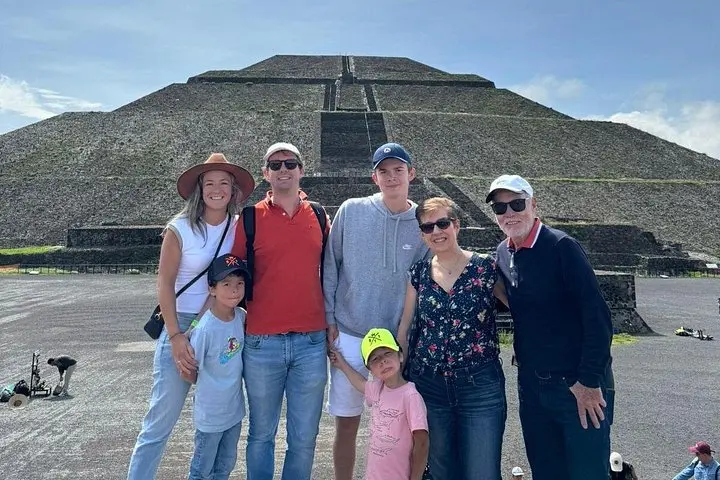
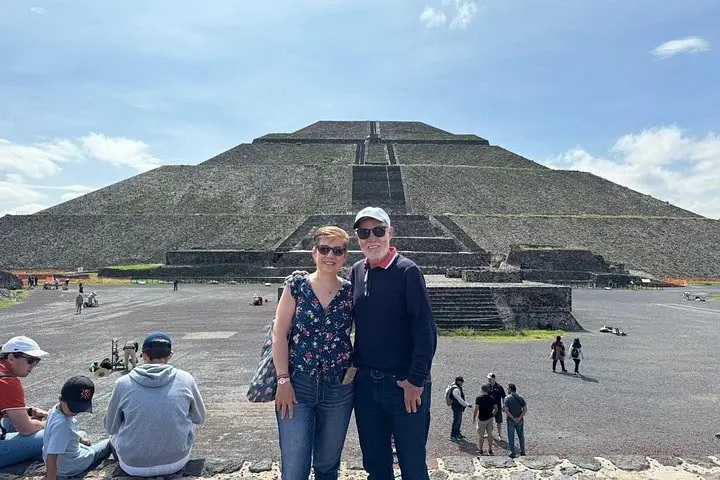
You arrive before the crowds, sunlight still low on the wide Plaza of the Dead, and the Pyramids of the Sun and Moon rise like carved horizons against a clean blue sky. The air has a dry, mineral chill; small breezes push dust along ancient avenues and the stone seems to hold the day’s heat from long ago.
You arrive before the crowds, sunlight still low on the wide Plaza of the Dead, and the Pyramids of the Sun and Moon rise like carved horizons against a clean blue sky. The air has a dry, mineral chill; small breezes push dust along ancient avenues and the stone seems to hold the day’s heat from long ago.
Teotihuacan grew into one of pre-Columbian Mesoamerica’s largest cities between roughly 100–700 AD. Its broad avenues, monumental platforms and aligned plazas reflect careful planning and cosmology. Geologically the site sits on volcanic plateau—tezontle and compacted ash create the packed surfaces underfoot and the steep, narrow steps of the pyramids.
Culturally, guided interpretation brings myths of Quetzalcoatl and origin stories to life, while the later Aztec reverence layered new meanings onto the ruins. A short drive away, La Gruta restaurant sits within a volcanic cave mouth—meals served there evoke earthy flavors and live folk dance performances that connect modern Mexico City with its pre‑Hispanic past.
Practical guidance: this half-day tour runs about four hours and includes private transport, guide, and entry. Expect uneven stone, steep stairs and sun exposure—arrive early to avoid heat and midday crowds. Breakfast at La Gruta is not included; carry small bills. Wear sturdy walking shoes, layers for cool mornings turning warm by noon, and bring 1–2 liters of water.
The visit balances history, raw volcanic landscape and a singular cave-meal experience—accessible for most travelers but best enjoyed with modest fitness, sun protection and a sense of curiosity.