THE ADVENTURE COLLECTIVE® · Independent discovery and booking for outdoor travel

Beat the crowds on a private, early-morning visit to Vinicunca (Rainbow Mountain), where a professional photographer and guide help you capture the mineral-striped slopes. Learn about the geology, local Quechua culture and what to pack to handle high-altitude hiking.
Beat the crowds on a private, early-morning visit to Vinicunca (Rainbow Mountain), where a professional photographer and guide help you capture the mineral-striped slopes. Learn about the geology, local Quechua culture and what to pack to handle high-altitude hiking.
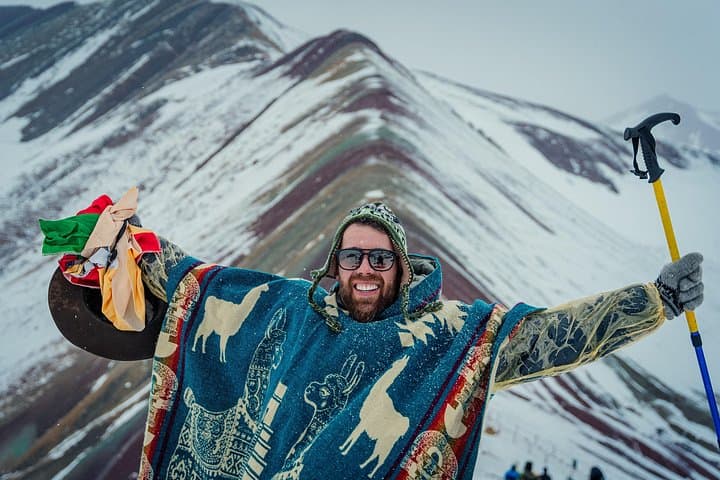
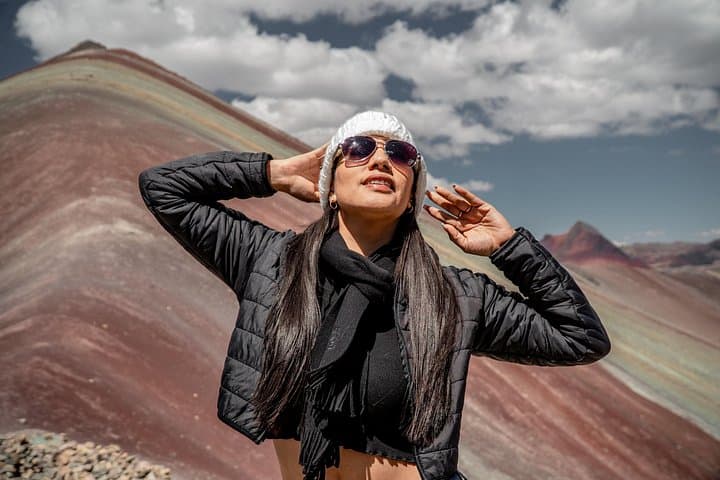
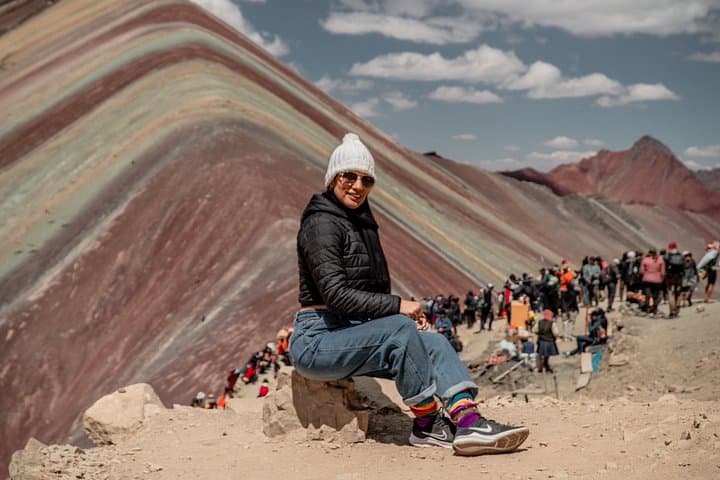
Dawn cuts a thin blue line across the high Andean plain as a private van winds up from Cusco. By the time you step out at the trailhead the cold air is sharp and the mountain’s stripes—rust, ochre, turquoise—begin to reveal themselves as sunlight stretches down the ridgeline. The photographer moves quietly, seeking angles while your guide points out the stratified minerals that paint the slope.
Verified experiences and guided adventures in the surrounding area.
Operated by Perú en Esencia Travel · Cusco, Cusco
Dawn cuts a thin blue line across the high Andean plain as a private van winds up from Cusco. By the time you step out at the trailhead the cold air is sharp and the mountain’s stripes—rust, ochre, turquoise—begin to reveal themselves as sunlight stretches down the ridgeline. The photographer moves quietly, seeking angles while your guide points out the stratified minerals that paint the slope.
Vinicunca (Rainbow Mountain) sits on the eastern flank of the Andes near Ausangate; its colors come from weathered mineral deposits—iron oxides, copper-rich clays and other sediments—laid down over millions of years. The valley is part of traditional Quechua territory and you’ll see herders and alpacas on the high grasslands; local communities still perform ritual offerings tied to the mountain’s spiritual significance.
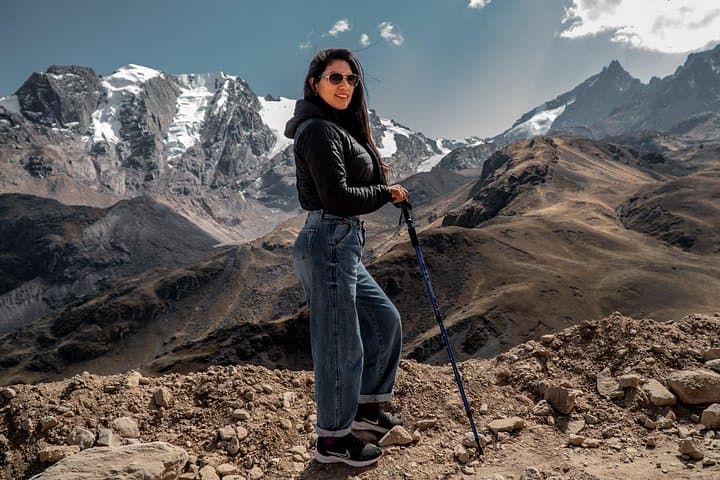
Expect a brisk, exposed hike: most groups walk about 3–4 km round trip with roughly 400–600 m elevation change, topping out around 5,000–5,200 m (16,400–17,060 ft). The morning timing minimizes crowds and gives the best light for photos, which is why many tours depart between 4:00–4:30 a.m. Breath is thin at that altitude—pace yourself, sip water often, and use trekking poles to steady uphill steps.
Practical notes: wear broken-in waterproof boots, layer for sudden wind and sun, and bring snacks and sunscreen. The operator’s inclusions—hotel pickup, entrance ticket, a professional photographer and lunch—mean the day is largely logistics-free; your job is to move deliberately, respect marked trails, and leave no trace so the colors and culture stay intact for the next visitor.
The trail is a steady uphill with rocky and sometimes muddy footing; expect 1–1.5 hours each way depending on pace, at elevations around 5,000 m—moderate fitness and acclimatization are recommended.
Most services deliver digital photos after the tour; confirm delivery method and timing with the operator before booking if you need prints or expedited edits.
Mild symptoms are common—stop, rest, hydrate, and inform your guide; severe symptoms require immediate descent and medical attention, which guides are equipped to coordinate.
Departing very early reduces crowds and improves light; private tours aim to place you ahead of larger groups, though peak season brings more visitors overall.
Perú en Esencia Travel operates guided outdoor trips and adventures with an emphasis on safety, stewardship, and memorable experiences.
Dawn cuts a thin blue line across the high Andean plain as a private van winds up from Cusco. By the time you step out at the trailhead the cold air is sharp and the mountain’s stripes—rust, ochre, turquoise—begin to reveal themselves as sunlight stretches down the ridgeline. The photographer moves quietly, seeking angles while your guide points out the stratified minerals that paint the slope.
Dawn cuts a thin blue line across the high Andean plain as a private van winds up from Cusco. By the time you step out at the trailhead the cold air is sharp and the mountain’s stripes—rust, ochre, turquoise—begin to reveal themselves as sunlight stretches down the ridgeline. The photographer moves quietly, seeking angles while your guide points out the stratified minerals that paint the slope.
Vinicunca (Rainbow Mountain) sits on the eastern flank of the Andes near Ausangate; its colors come from weathered mineral deposits—iron oxides, copper-rich clays and other sediments—laid down over millions of years. The valley is part of traditional Quechua territory and you’ll see herders and alpacas on the high grasslands; local communities still perform ritual offerings tied to the mountain’s spiritual significance.
Expect a brisk, exposed hike: most groups walk about 3–4 km round trip with roughly 400–600 m elevation change, topping out around 5,000–5,200 m (16,400–17,060 ft). The morning timing minimizes crowds and gives the best light for photos, which is why many tours depart between 4:00–4:30 a.m. Breath is thin at that altitude—pace yourself, sip water often, and use trekking poles to steady uphill steps.
Practical notes: wear broken-in waterproof boots, layer for sudden wind and sun, and bring snacks and sunscreen. The operator’s inclusions—hotel pickup, entrance ticket, a professional photographer and lunch—mean the day is largely logistics-free; your job is to move deliberately, respect marked trails, and leave no trace so the colors and culture stay intact for the next visitor.