THE ADVENTURE COLLECTIVE® · Independent discovery and booking for outdoor travel

Ride a climate‑controlled trolley through Myrtle Beach’s formative years and wartime chapter. Stops include Pine Lakes—the city’s first golf course—and the Historic Colored School Museum, with on‑board narration that brings local WWII stories to life.
Ride a climate‑controlled trolley through Myrtle Beach’s formative years and wartime chapter. Stops include Pine Lakes—the city’s first golf course—and the Historic Colored School Museum, with on‑board narration that brings local WWII stories to life.
You step onto a climate‑controlled trolley in front of the Grand 14 at The Market Common and the city’s layered past comes into motion. Windows frame palms and postwar bungalows as your guide begins a two‑hour weave through Myrtle Beach’s early resort era, the rise of golf, and the tense coastal years of World War II.
Verified experiences and guided adventures in the surrounding area.
Operated by Myrtle Beach History Tours · Myrtle Beach, South Carolina
You step onto a climate‑controlled trolley in front of the Grand 14 at The Market Common and the city’s layered past comes into motion. Windows frame palms and postwar bungalows as your guide begins a two‑hour weave through Myrtle Beach’s early resort era, the rise of golf, and the tense coastal years of World War II.
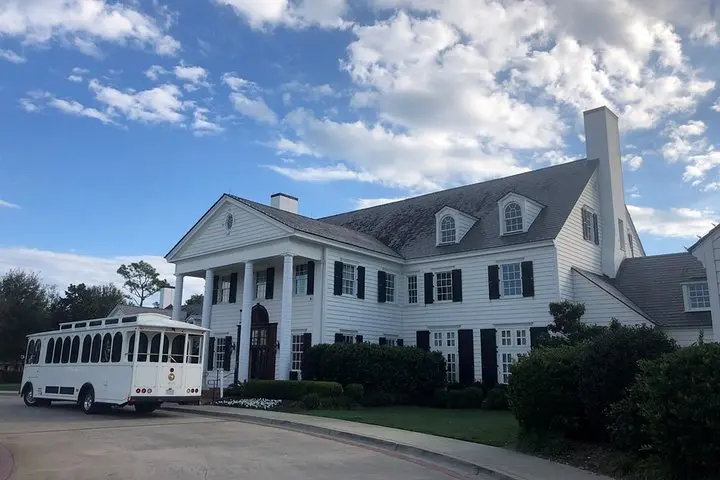
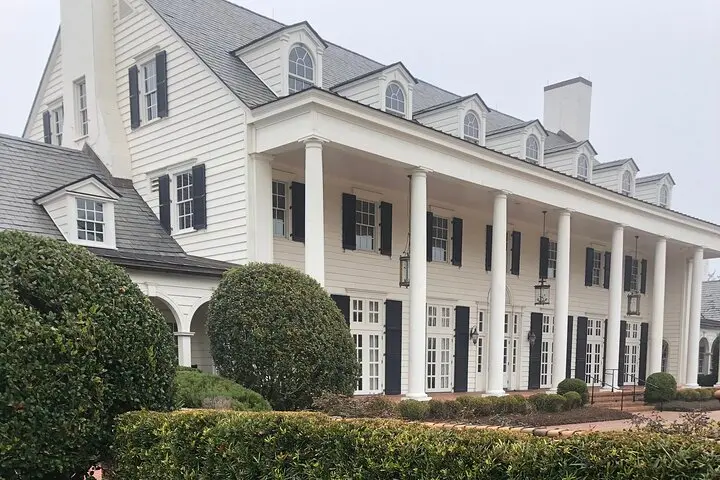
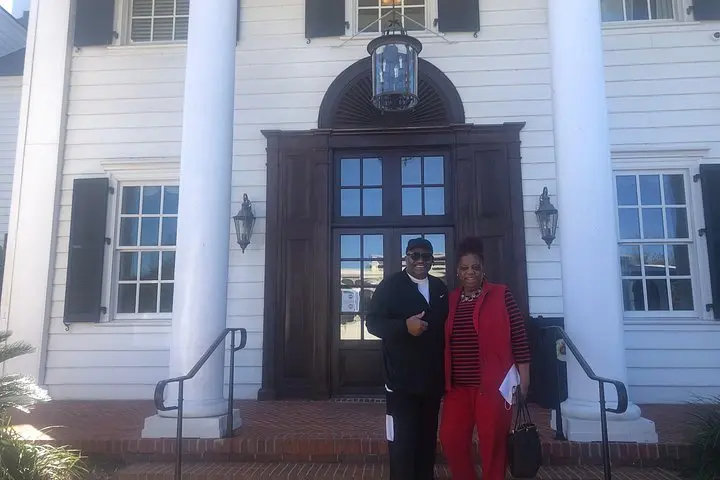
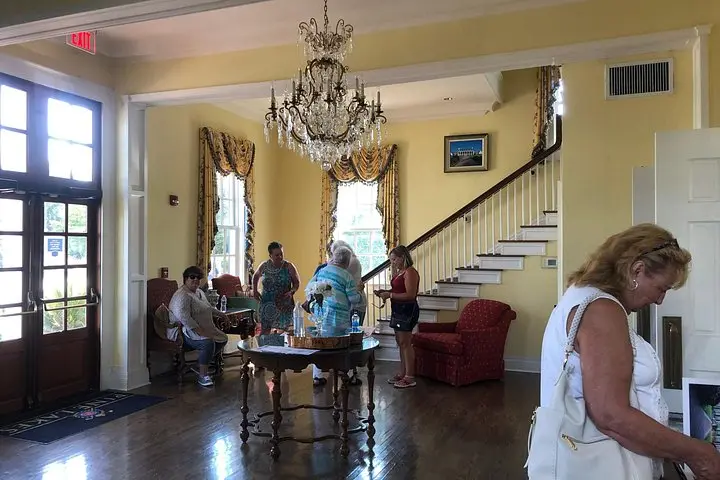
The route traces local milestones: Pine Lakes International Country Club, Myrtle Beach’s first golf course and a 1920s flagstone nod to the boom in seaside leisure; the Historic Myrtle Beach Colored School Museum, a compact, restored portrait of segregated education from the 1930s–1960s. History here pivots from development-era real estate and tourism to wartime realities—U‑boat threats off the Grand Strand, coastal blackouts, and the presence of German POWs on Southern soil—evidence of how global conflict reached this low, sandy coastline.
Geologically, the tour runs along the coastal plain and barrier‑island system that shapes the Grand Strand, where marshes and tides still dictate development and defense. Culturally, expect stories of entrepreneurs, civic leaders, and the African American families who built schools and churches here.
Practical guidance: tours depart at 10:00 AM with boarding at 9:45–9:50 AM; arrive early to select seats. The trolley is enclosed and suitable for all fitness levels, with short stops for photos and restroom access at Pine Lakes. Guests must be 3+ years old. Bring sun protection, a refillable water bottle, and a camera; summer fills quickly, so book before the Monday prior to your date. This is a narrative‑forward tour—listen for local names and follow up at the museum for deeper context.
The tour meets and returns to The Market Common in front of Grand 14 Cinemas; check‑in is beside the airport between Hwy. 17 Bypass and Hwy. 17 Business (Kings Hwy.).
The trolley is enclosed and climate‑controlled; contact the operator ahead of booking to confirm specific accessibility accommodations.
Guests must be at least 3 years old to participate in this tour.
For a full refund cancel at least 24 hours before departure; tours may be canceled for bad weather or insufficient travelers.
Myrtle Beach History Tours operates guided outdoor trips and adventures with an emphasis on safety, stewardship, and memorable experiences.
You step onto a climate‑controlled trolley in front of the Grand 14 at The Market Common and the city’s layered past comes into motion. Windows frame palms and postwar bungalows as your guide begins a two‑hour weave through Myrtle Beach’s early resort era, the rise of golf, and the tense coastal years of World War II.
You step onto a climate‑controlled trolley in front of the Grand 14 at The Market Common and the city’s layered past comes into motion. Windows frame palms and postwar bungalows as your guide begins a two‑hour weave through Myrtle Beach’s early resort era, the rise of golf, and the tense coastal years of World War II.
The route traces local milestones: Pine Lakes International Country Club, Myrtle Beach’s first golf course and a 1920s flagstone nod to the boom in seaside leisure; the Historic Myrtle Beach Colored School Museum, a compact, restored portrait of segregated education from the 1930s–1960s. History here pivots from development-era real estate and tourism to wartime realities—U‑boat threats off the Grand Strand, coastal blackouts, and the presence of German POWs on Southern soil—evidence of how global conflict reached this low, sandy coastline.
Geologically, the tour runs along the coastal plain and barrier‑island system that shapes the Grand Strand, where marshes and tides still dictate development and defense. Culturally, expect stories of entrepreneurs, civic leaders, and the African American families who built schools and churches here.
Practical guidance: tours depart at 10:00 AM with boarding at 9:45–9:50 AM; arrive early to select seats. The trolley is enclosed and suitable for all fitness levels, with short stops for photos and restroom access at Pine Lakes. Guests must be 3+ years old. Bring sun protection, a refillable water bottle, and a camera; summer fills quickly, so book before the Monday prior to your date. This is a narrative‑forward tour—listen for local names and follow up at the museum for deeper context.