THE ADVENTURE COLLECTIVE® · Independent discovery and booking for outdoor travel

Renting a campervan in East Bali turns travel into flexible exploration: wake at rice terraces, chase coastal sunsets, and sleep with volcano views. This guide covers what to expect on the road, cultural considerations, and practical tips for safe, respectful adventure.
Renting a campervan in East Bali turns travel into flexible exploration: wake at rice terraces, chase coastal sunsets, and sleep with volcano views. This guide covers what to expect on the road, cultural considerations, and practical tips for safe, respectful adventure.
You wake before dawn, the van’s curtains parting to a first light that paints the rice terraces in pulsing gold. The ocean, somewhere to the east, seems to dare you toward it; palm fronds tap the roof like a metronome. That first stretch of road out of Ubud gives way to narrow village lanes, then to coastal highway where each turn reveals a different face of Bali — temple-steeped hills, volcanic silhouettes, and beaches where the surf writes its own itinerary.
Verified experiences and guided adventures in the surrounding area.
Operated by East Bali Tour · Ubud, Bali
You wake before dawn, the van’s curtains parting to a first light that paints the rice terraces in pulsing gold. The ocean, somewhere to the east, seems to dare you toward it; palm fronds tap the roof like a metronome. That first stretch of road out of Ubud gives way to narrow village lanes, then to coastal highway where each turn reveals a different face of Bali — temple-steeped hills, volcanic silhouettes, and beaches where the surf writes its own itinerary.
Bali’s landscape is forged by active volcanism and an intricate irrigation system known as subak; terraces and temples grew together as farmers managed water and ritual in equal measure. East Bali retains fewer tourist crowds, with Hindu temples like Pura Lempuyang and traditional villages that still observe daily offerings and ceremonies.
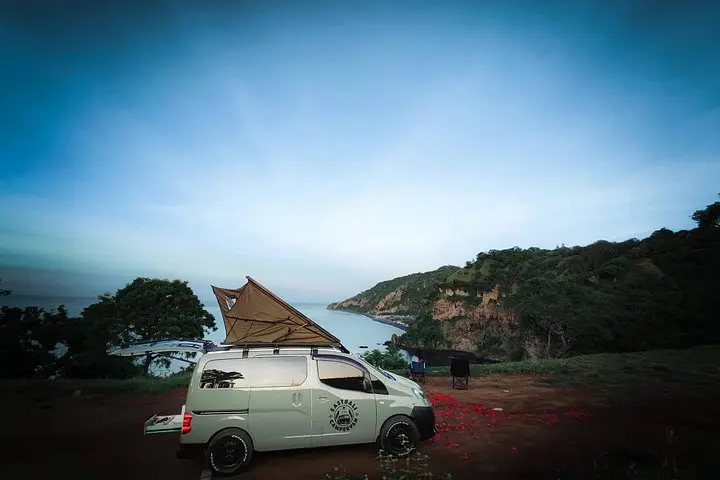
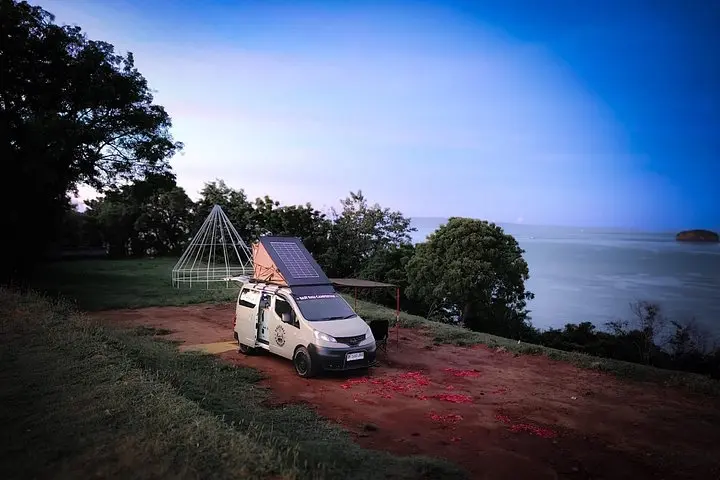
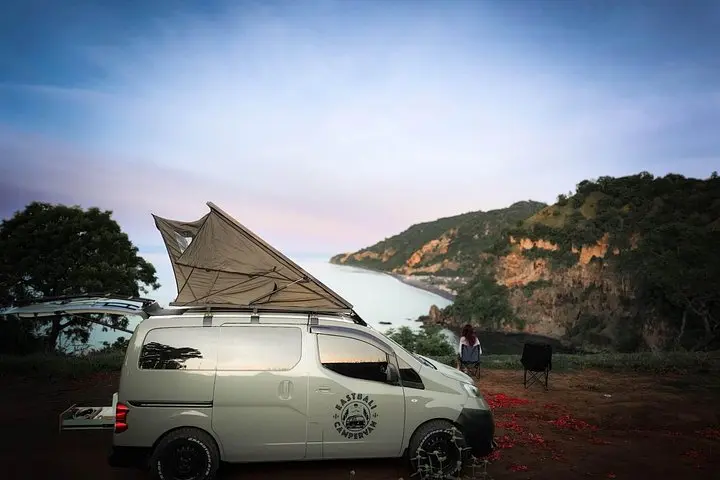
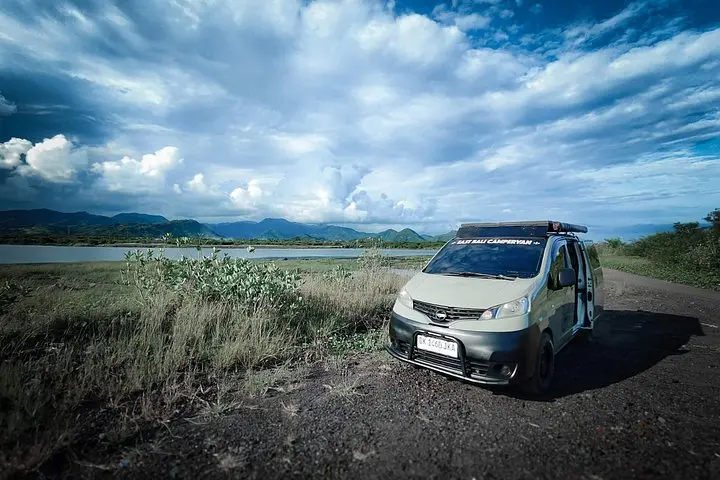
Practical guidance sits next to the romance: the campervan is a manual-transmission vehicle suited for two to four people, with portable cooking gear, power from a 1000W station plus solar, and roadside support. Roads can be steep and narrow — expect climbing grades around mountain approaches and slow-moving trucks on coastal routes. Park legally: many temple sites require designated lots and modest dress. Fuel stations are frequent in towns but sparse on remote coasts — fill up when you can.
Plan drives of 1–3 hours between highlights (Ubud to Tirta Gangga ~65 km, 2–2.5 hours); prioritize dry-season travel (Apr–Oct) for easier camping and clearer snorkeling. Bring a local SIM for navigation, store cash for small shops, and respect local customs: remove shoes at temple entrances and avoid overnight parking in restricted areas. With planning, a campervan converts curiosity into a route you own — sunrise by the rice terraces, dinner under volcanic stars.
Most rentals require a valid international driver’s license or a valid home-country license plus an International Driving Permit; check the rental's specific requirements before booking.
Use designated campsites, private beachfront parking where allowed, or arranged parking through the rental company; avoid parking on temple grounds or private property without permission.
The van fits 2–4 people, but comfort depends on gear and sleep arrangements; four adults is possible for short trips but will be snug for extended travel.
Roadside support typically covers mechanical assistance and basic troubleshooting; for major repairs you may need to return to town or arrange a replacement vehicle through the rental operator.
East Bali Tour operates guided outdoor trips and adventures with an emphasis on safety, stewardship, and memorable experiences.
You wake before dawn, the van’s curtains parting to a first light that paints the rice terraces in pulsing gold. The ocean, somewhere to the east, seems to dare you toward it; palm fronds tap the roof like a metronome. That first stretch of road out of Ubud gives way to narrow village lanes, then to coastal highway where each turn reveals a different face of Bali — temple-steeped hills, volcanic silhouettes, and beaches where the surf writes its own itinerary.
You wake before dawn, the van’s curtains parting to a first light that paints the rice terraces in pulsing gold. The ocean, somewhere to the east, seems to dare you toward it; palm fronds tap the roof like a metronome. That first stretch of road out of Ubud gives way to narrow village lanes, then to coastal highway where each turn reveals a different face of Bali — temple-steeped hills, volcanic silhouettes, and beaches where the surf writes its own itinerary.
Bali’s landscape is forged by active volcanism and an intricate irrigation system known as subak; terraces and temples grew together as farmers managed water and ritual in equal measure. East Bali retains fewer tourist crowds, with Hindu temples like Pura Lempuyang and traditional villages that still observe daily offerings and ceremonies.
Practical guidance sits next to the romance: the campervan is a manual-transmission vehicle suited for two to four people, with portable cooking gear, power from a 1000W station plus solar, and roadside support. Roads can be steep and narrow — expect climbing grades around mountain approaches and slow-moving trucks on coastal routes. Park legally: many temple sites require designated lots and modest dress. Fuel stations are frequent in towns but sparse on remote coasts — fill up when you can.
Plan drives of 1–3 hours between highlights (Ubud to Tirta Gangga ~65 km, 2–2.5 hours); prioritize dry-season travel (Apr–Oct) for easier camping and clearer snorkeling. Bring a local SIM for navigation, store cash for small shops, and respect local customs: remove shoes at temple entrances and avoid overnight parking in restricted areas. With planning, a campervan converts curiosity into a route you own — sunrise by the rice terraces, dinner under volcanic stars.