THE ADVENTURE COLLECTIVE® · Independent discovery and booking for outdoor travel

A private, full-day loop through east Bali that pairs the Lempuyang ‘Gate of Heaven’ with royal water palaces—Tirta Gangga and Taman Ujung. Expect dramatic volcano views, temple rituals, and manageable walking through historic grounds.
A private, full-day loop through east Bali that pairs the Lempuyang ‘Gate of Heaven’ with royal water palaces—Tirta Gangga and Taman Ujung. Expect dramatic volcano views, temple rituals, and manageable walking through historic grounds.
You step out before dawn and the van hums toward the eastern spine of Bali. Mist clings to terraced fields; volcanoes lift themselves through cloud like slow-breathed giants. At the Lempuyang “Gate of Heaven,” the stone frame squares Mount Agung and the air feels cooler, as if the mountain itself is watching.
Verified experiences and guided adventures in the surrounding area.
Operated by BaliHit · Amlapura, Bali
You step out before dawn and the van hums toward the eastern spine of Bali. Mist clings to terraced fields; volcanoes lift themselves through cloud like slow-breathed giants. At the Lempuyang “Gate of Heaven,” the stone frame squares Mount Agung and the air feels cooler, as if the mountain itself is watching.
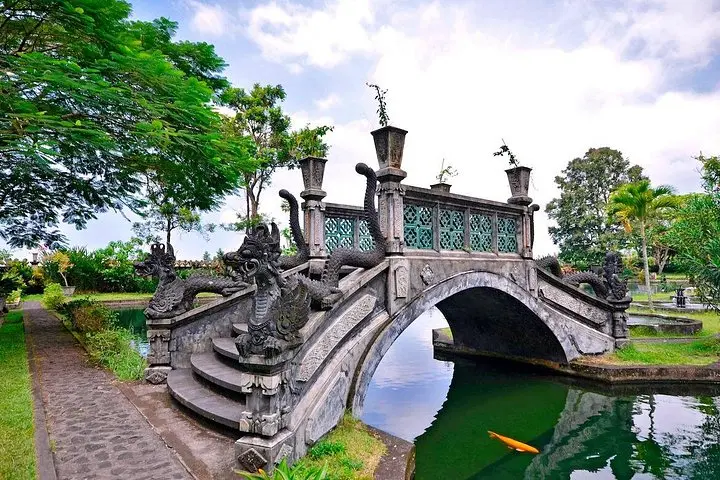
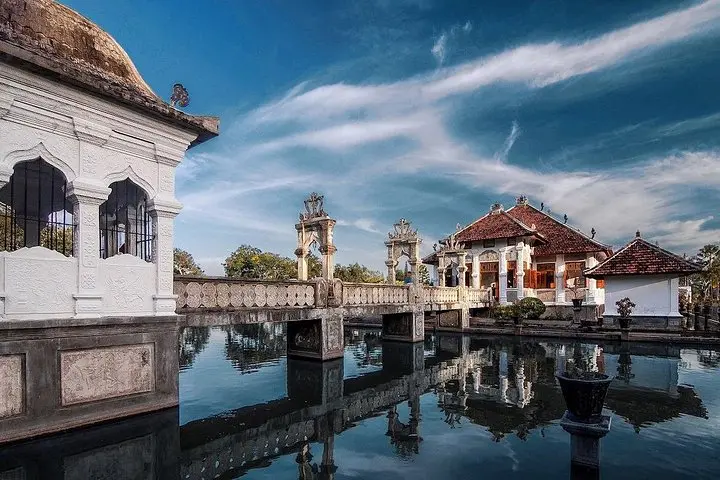
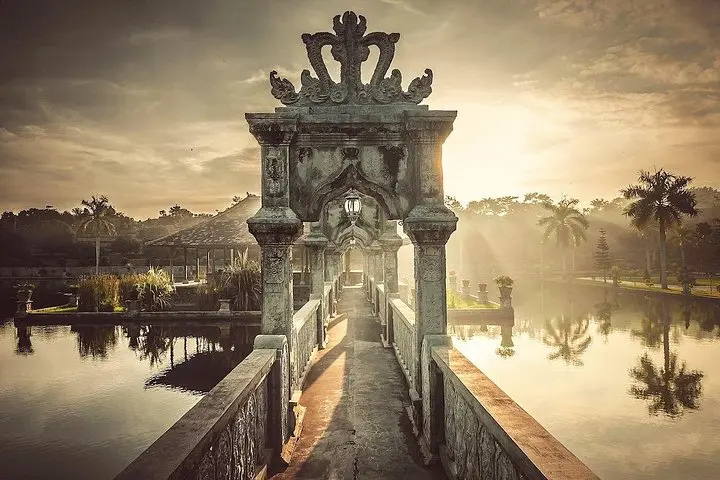
This full-day private circuit threads together east-Bali’s royal water palaces and temple complexes. Lempuyang Temple is one of Bali’s oldest pura, a highland shrine with stairways that climb volcanic ridges and offer sweeping views shaped by past eruptions and slow lava flows. Tirta Gangga—named after the sacred Ganges—was developed by the Karangasem royal family in the early 20th century as a ritual and leisure site; its tiered pools and carved stonework reflect Balinese Hindu cosmology and Dutch-era landscaping. Taman Ujung spreads pools and promenades at the sea’s edge, a colonial-era palace with panoramic ocean and mountain sightlines.
Culturally the day mixes ritual and photo-stops: expect temple etiquette, sarongs, small offerings, and local vendors selling coffee and snacks. Geology shows in the black soils and steep valleys carved by Agung’s eruptions; agriculture here still follows contours and irrigation channels.
Practical guidance: this is a long day—8–10 hours—so hydrate and layer for sun and wind. Wear a lightweight sarong or accept the one provided for temple entry, bring steady shoes for uneven steps, and carry cash for small donations and roadside food. Start early to beat the crowds at Lempuyang and reserve the best light for photos of the gate and Agung.
Entrance tickets to the main sites are listed as included and the operator supplies sarongs for temple entry where required.
The tour offers hotel pick-up and drop-off across major areas (Kuta, Seminyak, Ubud, Nusa Dua, Sanur, Jimbaran, Canggu) and can accommodate different start and end points if notified in advance.
The site involves steep steps and uneven surfaces; visitors with limited mobility may find access difficult and should plan accordingly.
Casual photography is allowed; commercial or tripod setups may require permission—respect local worshippers and avoid blocking pathways.
BaliHit operates guided outdoor trips and adventures with an emphasis on safety, stewardship, and memorable experiences.
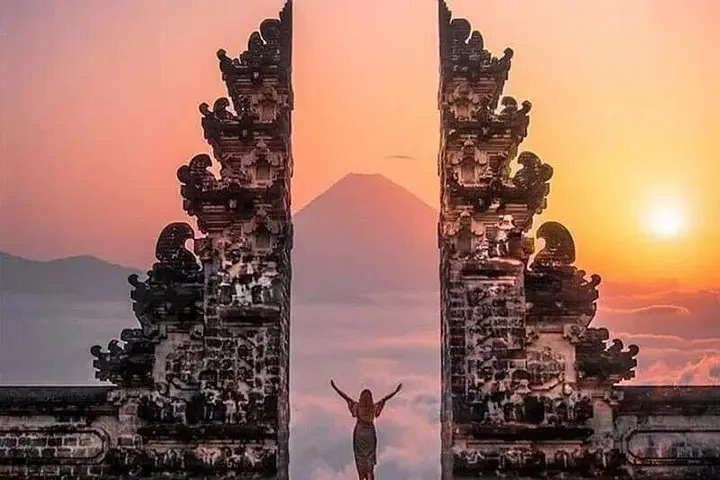
You step out before dawn and the van hums toward the eastern spine of Bali. Mist clings to terraced fields; volcanoes lift themselves through cloud like slow-breathed giants. At the Lempuyang “Gate of Heaven,” the stone frame squares Mount Agung and the air feels cooler, as if the mountain itself is watching.
You step out before dawn and the van hums toward the eastern spine of Bali. Mist clings to terraced fields; volcanoes lift themselves through cloud like slow-breathed giants. At the Lempuyang “Gate of Heaven,” the stone frame squares Mount Agung and the air feels cooler, as if the mountain itself is watching.
This full-day private circuit threads together east-Bali’s royal water palaces and temple complexes. Lempuyang Temple is one of Bali’s oldest pura, a highland shrine with stairways that climb volcanic ridges and offer sweeping views shaped by past eruptions and slow lava flows. Tirta Gangga—named after the sacred Ganges—was developed by the Karangasem royal family in the early 20th century as a ritual and leisure site; its tiered pools and carved stonework reflect Balinese Hindu cosmology and Dutch-era landscaping. Taman Ujung spreads pools and promenades at the sea’s edge, a colonial-era palace with panoramic ocean and mountain sightlines.
Culturally the day mixes ritual and photo-stops: expect temple etiquette, sarongs, small offerings, and local vendors selling coffee and snacks. Geology shows in the black soils and steep valleys carved by Agung’s eruptions; agriculture here still follows contours and irrigation channels.
Practical guidance: this is a long day—8–10 hours—so hydrate and layer for sun and wind. Wear a lightweight sarong or accept the one provided for temple entry, bring steady shoes for uneven steps, and carry cash for small donations and roadside food. Start early to beat the crowds at Lempuyang and reserve the best light for photos of the gate and Agung.