THE ADVENTURE COLLECTIVE® · Independent discovery and booking for outdoor travel

Head offshore from East Bali for a private, five-hour deep-sea fishing charter that targets giant trevally and dogtooth tuna around Gili Mimpang, Biaha and Pekong. Expect an English-speaking crew, on-board gear, and a post-trip BBQ of your fresh catch.
Head offshore from East Bali for a private, five-hour deep-sea fishing charter that targets giant trevally and dogtooth tuna around Gili Mimpang, Biaha and Pekong. Expect an English-speaking crew, on-board gear, and a post-trip BBQ of your fresh catch.
The boat slips from the harbor before sun fully climbs the ridge of Mount Agung, the engine steady as the coastline thins to reef-tipped islands. Salt sprays the deck; the ocean hums beneath the hull, daring you to read its mood. Lines arc into cobalt water around Gili Mimpang, Biaha and Pekong—spots where current and structure conspire to attract big fish.
Verified experiences and guided adventures in the surrounding area.
Operated by Bali Travel Escape · Padangbai, Bali
The boat slips from the harbor before sun fully climbs the ridge of Mount Agung, the engine steady as the coastline thins to reef-tipped islands. Salt sprays the deck; the ocean hums beneath the hull, daring you to read its mood. Lines arc into cobalt water around Gili Mimpang, Biaha and Pekong—spots where current and structure conspire to attract big fish.
East Bali’s shoreline is the junction of volcanic geology and Indian Ocean swell. Mount Agung’s lava flows built terraces that funnel currents and create deep drop-offs offshore, prime habitat for giant trevally and dogtooth tuna. The region’s fishing traditions trace back generations—coastal communities relied on reef and deep-water catches and developed spice-driven grilling techniques still used for onshore BBQs.
Culturally, the day blends local hospitality with practical skill: an English-speaking guide coaches rod work, crew clean and prepare the catch, and a simple Balinese lunch follows. Expect respectful interaction with coastal villages if your return touches land.
Practical guidance: boats typically run about five hours from coastal departure, with mild motion and short periods of active hauling. Wear non-slip shoes and layered sun protection; bring seasickness remedies if prone. Hydrate and keep a lightweight waterproof pack for phones and cameras. Morning departures find calmer seas and better light for photos; afternoons can pick up breeze and swell.
This is accessible deep-sea fishing—no advanced skills required, but basic stamina for standing and reeling helps. The reward is immediate: a day’s catch flipped onto coals, seasoned with Balinese spices, and a tangible connection to East Bali’s marine landscape.
No—guides supply rods, tackle and on-board coaching; basic strength to reel and stand is helpful.
Common targets are giant trevally and dogtooth tuna, though catches vary with season and current.
Yes—most operators offer hotel pick-up from Ubud and other accommodations in East Bali; confirm time and location when booking.
Crew will clean the fish; many charters offer a shore-side or on-boat BBQ prepared with Balinese spices included in the trip.
Bali Travel Escape operates guided outdoor trips and adventures with an emphasis on safety, stewardship, and memorable experiences.
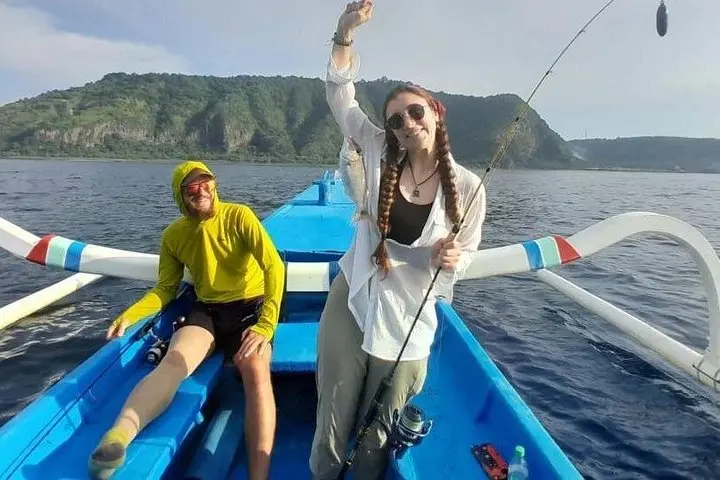
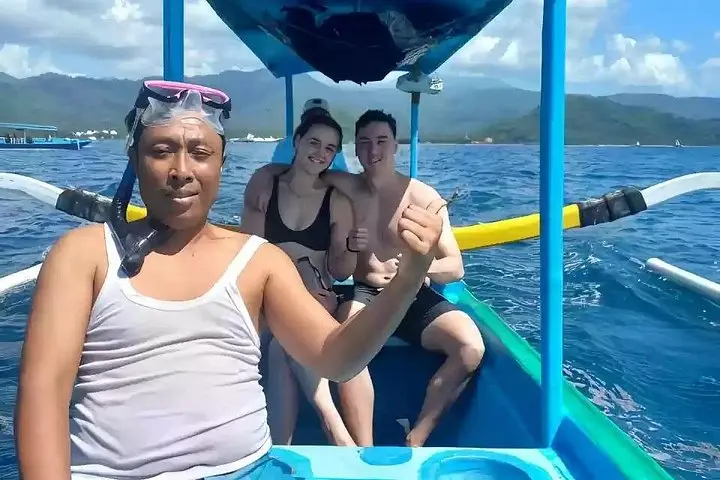
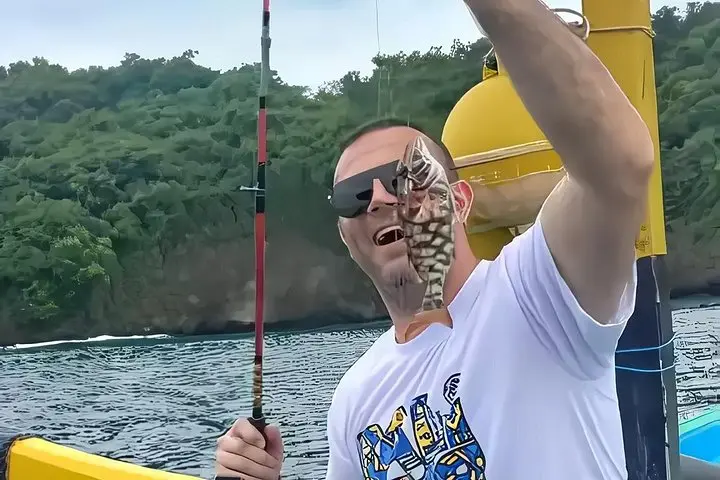
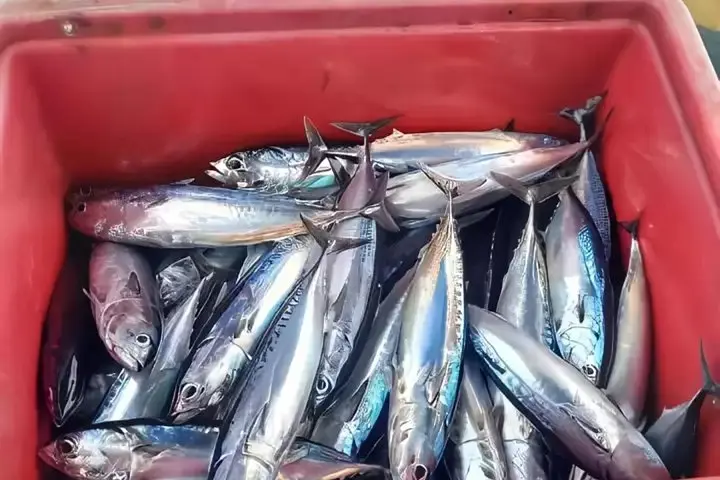
The boat slips from the harbor before sun fully climbs the ridge of Mount Agung, the engine steady as the coastline thins to reef-tipped islands. Salt sprays the deck; the ocean hums beneath the hull, daring you to read its mood. Lines arc into cobalt water around Gili Mimpang, Biaha and Pekong—spots where current and structure conspire to attract big fish.
The boat slips from the harbor before sun fully climbs the ridge of Mount Agung, the engine steady as the coastline thins to reef-tipped islands. Salt sprays the deck; the ocean hums beneath the hull, daring you to read its mood. Lines arc into cobalt water around Gili Mimpang, Biaha and Pekong—spots where current and structure conspire to attract big fish.
East Bali’s shoreline is the junction of volcanic geology and Indian Ocean swell. Mount Agung’s lava flows built terraces that funnel currents and create deep drop-offs offshore, prime habitat for giant trevally and dogtooth tuna. The region’s fishing traditions trace back generations—coastal communities relied on reef and deep-water catches and developed spice-driven grilling techniques still used for onshore BBQs.
Culturally, the day blends local hospitality with practical skill: an English-speaking guide coaches rod work, crew clean and prepare the catch, and a simple Balinese lunch follows. Expect respectful interaction with coastal villages if your return touches land.
Practical guidance: boats typically run about five hours from coastal departure, with mild motion and short periods of active hauling. Wear non-slip shoes and layered sun protection; bring seasickness remedies if prone. Hydrate and keep a lightweight waterproof pack for phones and cameras. Morning departures find calmer seas and better light for photos; afternoons can pick up breeze and swell.
This is accessible deep-sea fishing—no advanced skills required, but basic stamina for standing and reeling helps. The reward is immediate: a day’s catch flipped onto coals, seasoned with Balinese spices, and a tangible connection to East Bali’s marine landscape.