THE ADVENTURE COLLECTIVE® · Independent discovery and booking for outdoor travel

Compact and focused, this private half-day East Bank tour pairs an Egyptologist guide with the must-see monuments of Karnak and Luxor. Expect immersive storytelling, grand hypostyle halls and practical tips for timing, access and comfort.
Compact and focused, this private half-day East Bank tour pairs an Egyptologist guide with the must-see monuments of Karnak and Luxor. Expect immersive storytelling, grand hypostyle halls and practical tips for timing, access and comfort.
You step from an air-conditioned van into the hot, golden hush of Luxor's East Bank. Sandstone columns tower above like a city of mute giants; the air smells faintly of dust, old incense and the Nile flowing unseen nearby. Your Egyptologist guide gestures to the hieroglyphs and, with a practised economy of words, makes the ancient courtrooms and processional avenues live again.
Verified experiences and guided adventures in the surrounding area.
Operated by Egypt Lifetime Tours · Luxor, Luxor Governorate
You step from an air-conditioned van into the hot, golden hush of Luxor's East Bank. Sandstone columns tower above like a city of mute giants; the air smells faintly of dust, old incense and the Nile flowing unseen nearby. Your Egyptologist guide gestures to the hieroglyphs and, with a practised economy of words, makes the ancient courtrooms and processional avenues live again.
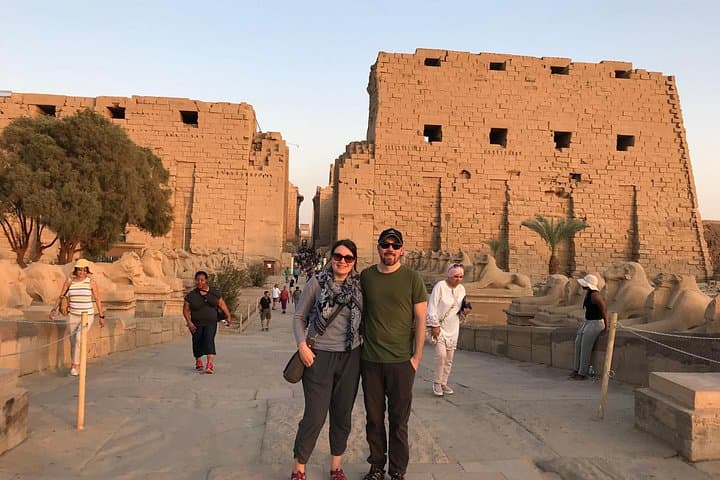
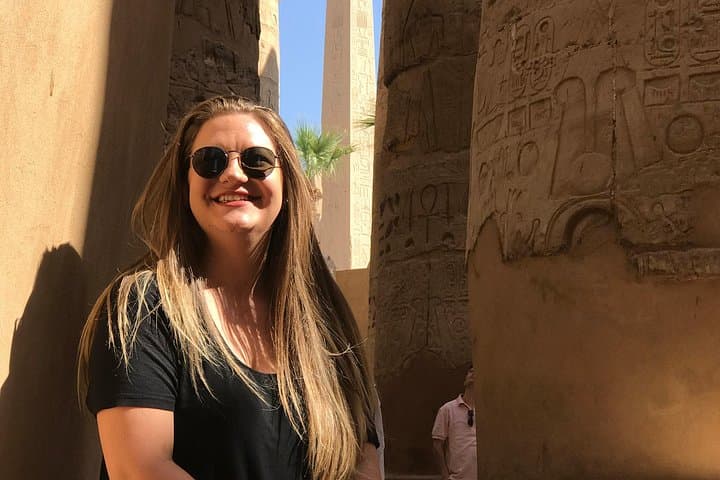
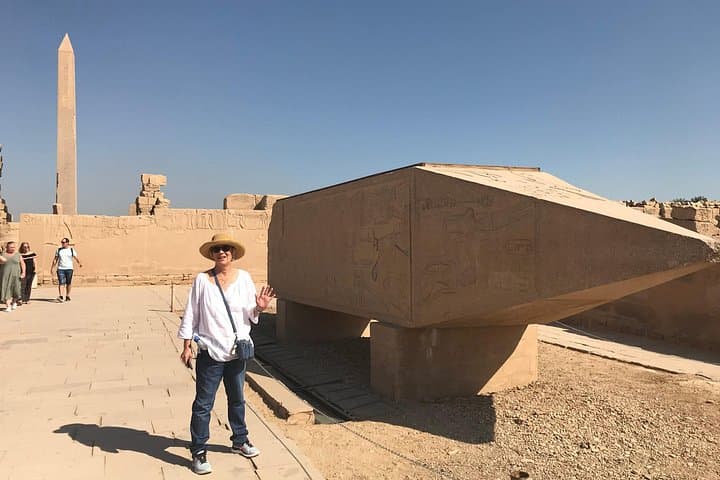
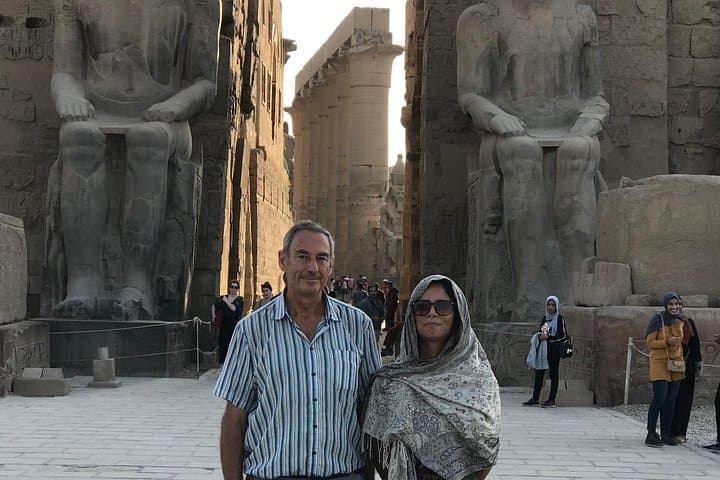
Karnak is the site's beating heart — a 63-acre complex built over two millennia to honor Amun-Ra, its hypostyle hall a forest of columns that still holds late-afternoon light in a way that seems chosen. Luxor Temple, begun under Amenhotep III and completed by Ramesses II, reads as a later civic stage where kings, priests and conquerors left their marks. The avenue of sphinxes that once linked the two sites was partially rediscovered here, a line of stone guardians reclaiming the city’s urban memory.
On this private half-day you cover the highlights in roughly three hours, with hotel or cruise pickup, a water bottle provided and expert narrative tailored to your pace. Expect paved and uneven surfaces, shaded courtyards and exposed sun; photography is allowed but respect restricted areas and fragile reliefs. Admission fees are typically paid on site; check current ticket prices and bring local currency.
Practical rhythm matters: come early to avoid heat and crowds, wear breathable layers and a brimmed hat, stay on marked paths and follow your guide’s instructions to preserve fragile paint and stone. The tour is accessible for most travelers and offers a compact, focused way to meet Luxor’s monumental past without rushing it.
Admission is typically not included and is paid on site; verify current prices before arrival and bring cash.
The tour notes wheelchair accessibility, but some temple areas have steps and uneven ground—check with the operator for specific access arrangements.
Tipping is customary in Egypt; allocate a modest tip for the guide and driver based on service and group size.
Aim for the first hours after opening or late afternoon to minimize crowds and daytime temperatures.
Egypt Lifetime Tours operates guided outdoor trips and adventures with an emphasis on safety, stewardship, and memorable experiences.
You step from an air-conditioned van into the hot, golden hush of Luxor's East Bank. Sandstone columns tower above like a city of mute giants; the air smells faintly of dust, old incense and the Nile flowing unseen nearby. Your Egyptologist guide gestures to the hieroglyphs and, with a practised economy of words, makes the ancient courtrooms and processional avenues live again.
You step from an air-conditioned van into the hot, golden hush of Luxor's East Bank. Sandstone columns tower above like a city of mute giants; the air smells faintly of dust, old incense and the Nile flowing unseen nearby. Your Egyptologist guide gestures to the hieroglyphs and, with a practised economy of words, makes the ancient courtrooms and processional avenues live again.
Karnak is the site's beating heart — a 63-acre complex built over two millennia to honor Amun-Ra, its hypostyle hall a forest of columns that still holds late-afternoon light in a way that seems chosen. Luxor Temple, begun under Amenhotep III and completed by Ramesses II, reads as a later civic stage where kings, priests and conquerors left their marks. The avenue of sphinxes that once linked the two sites was partially rediscovered here, a line of stone guardians reclaiming the city’s urban memory.
On this private half-day you cover the highlights in roughly three hours, with hotel or cruise pickup, a water bottle provided and expert narrative tailored to your pace. Expect paved and uneven surfaces, shaded courtyards and exposed sun; photography is allowed but respect restricted areas and fragile reliefs. Admission fees are typically paid on site; check current ticket prices and bring local currency.
Practical rhythm matters: come early to avoid heat and crowds, wear breathable layers and a brimmed hat, stay on marked paths and follow your guide’s instructions to preserve fragile paint and stone. The tour is accessible for most travelers and offers a compact, focused way to meet Luxor’s monumental past without rushing it.