THE ADVENTURE COLLECTIVE® · Independent discovery and booking for outdoor travel

Explore Willemstad’s colorful waterfront, cross the floating Pontoon Bridge, stand on the ramparts of Fort Beekenburg and tour Landhuis Chobolobo for a guided introduction to Curaçao’s history and signature liqueur. This five‑hour outing mixes easy walking with coastal views and cultural stops.
Explore Willemstad’s colorful waterfront, cross the floating Pontoon Bridge, stand on the ramparts of Fort Beekenburg and tour Landhuis Chobolobo for a guided introduction to Curaçao’s history and signature liqueur. This five‑hour outing mixes easy walking with coastal views and cultural stops.
You step off the coach into Willemstad and the sea breathes salt and sunlight across a row of painted houses — colors so frank they seem to have been negotiated with the Caribbean itself.
Verified experiences and guided adventures in the surrounding area.
Operated by BlueFinn Charters · Willemstad, Curaçao
You step off the coach into Willemstad and the sea breathes salt and sunlight across a row of painted houses — colors so frank they seem to have been negotiated with the Caribbean itself.
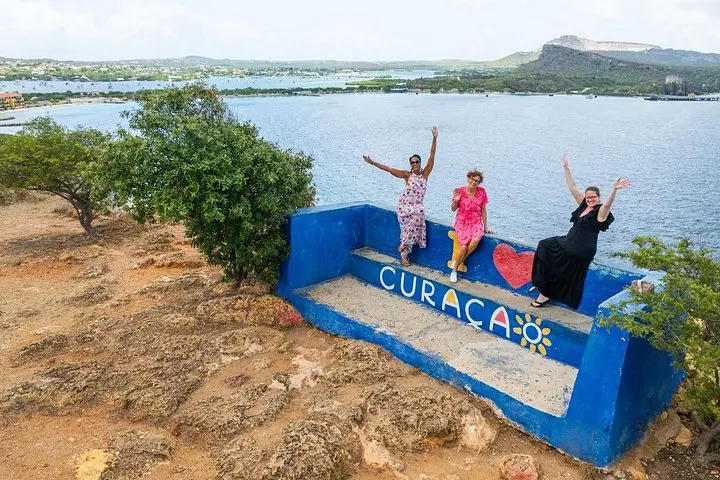
This five‑hour loop threads Punda and Otrobanda’s Dutch colonial facades, glides across the Pontoon Bridge for a waterfront perspective, and follows the island’s limestone spine east to Fort Beekenburg, a 1730 military outpost that glares down at Caracas Bay. Geology here is blunt: uplifted coral limestone and scrubby, wind‑swept coastlines that created natural harbors and defensible promontories. Culture arrives in small, sharp doses — Creole‑Dutch architecture, Afro‑Caribbean neighborhoods, and the bittersweet citrus of the laraha orange at Landhuis Chobolobo, where Curaçao liqueur is distilled and explained.
Expect flat, cobbled streets and short walks between photo stops (walking segments generally under 2 km each; total on‑foot elevation gain negligible). The fort offers windblown outlooks rather than long hikes; the distillery includes an interpretive tour and tasting. Practical tips: wear comfortable shoes for uneven pavements, bring sun protection and a refillable bottle (bottled water provided on tour), and plan mornings to avoid the strongest sun and afternoon showers in the wet season.
This is a tour that mixes history, coastal geology and hands‑on culture — an accessible way to read Curaçao’s past in its buildings, its shoreline defenses and its amber liqueur. Bring a camera, a light layer for coastal breeze, and a readiness to walk short stretches on firm, sometimes uneven ground.
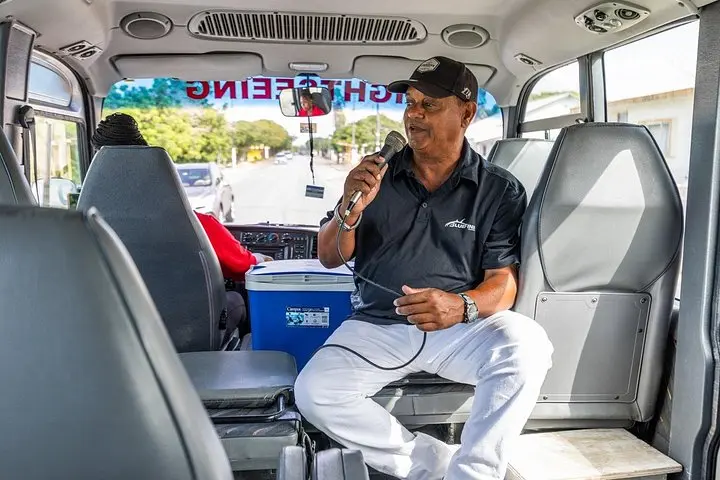
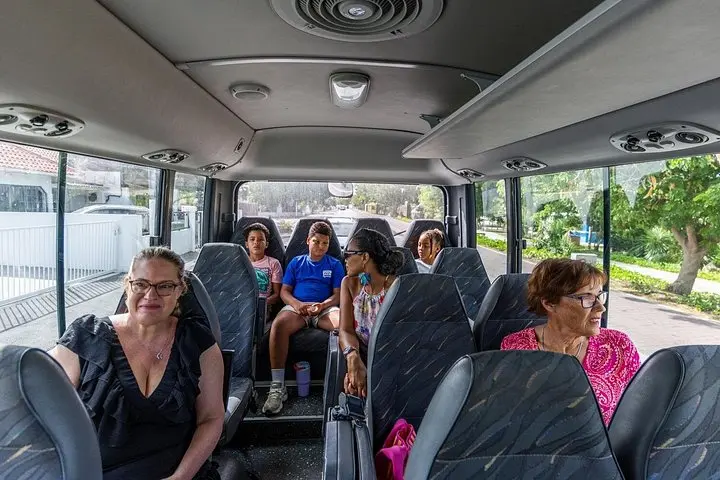
The tour runs about 5 hours and includes guided stops around Willemstad, Fort Beekenburg and the Chobolobo distillery.
Yes—there is an interpretive tour with tasting and shopping opportunities; bring ID if you plan to sample alcohol.
Much of the tour involves short walks on cobblestones and uneven surfaces; it may be challenging for those with significant mobility issues—check with the operator for specific accessibility options.
The Netherlands Antillean guilder (ANG) is local, but U.S. dollars and major cards are widely accepted at tourist sites and shops; smaller vendors may prefer cash.
BlueFinn Charters operates guided outdoor trips and adventures with an emphasis on safety, stewardship, and memorable experiences.
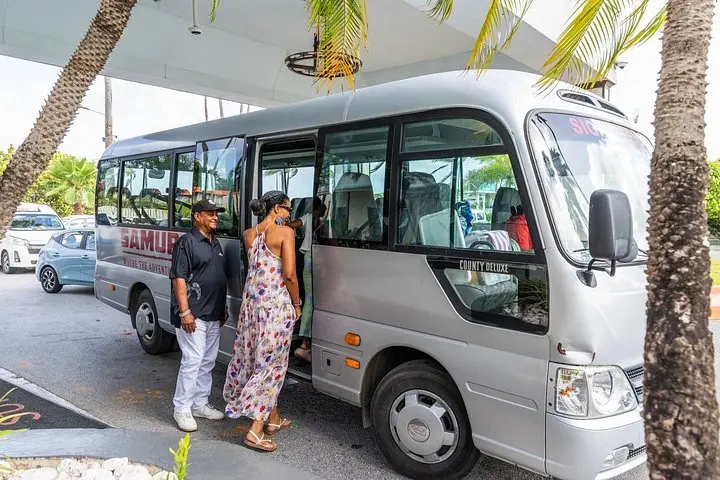
You step off the coach into Willemstad and the sea breathes salt and sunlight across a row of painted houses — colors so frank they seem to have been negotiated with the Caribbean itself.
You step off the coach into Willemstad and the sea breathes salt and sunlight across a row of painted houses — colors so frank they seem to have been negotiated with the Caribbean itself.
This five‑hour loop threads Punda and Otrobanda’s Dutch colonial facades, glides across the Pontoon Bridge for a waterfront perspective, and follows the island’s limestone spine east to Fort Beekenburg, a 1730 military outpost that glares down at Caracas Bay. Geology here is blunt: uplifted coral limestone and scrubby, wind‑swept coastlines that created natural harbors and defensible promontories. Culture arrives in small, sharp doses — Creole‑Dutch architecture, Afro‑Caribbean neighborhoods, and the bittersweet citrus of the laraha orange at Landhuis Chobolobo, where Curaçao liqueur is distilled and explained.
Expect flat, cobbled streets and short walks between photo stops (walking segments generally under 2 km each; total on‑foot elevation gain negligible). The fort offers windblown outlooks rather than long hikes; the distillery includes an interpretive tour and tasting. Practical tips: wear comfortable shoes for uneven pavements, bring sun protection and a refillable bottle (bottled water provided on tour), and plan mornings to avoid the strongest sun and afternoon showers in the wet season.
This is a tour that mixes history, coastal geology and hands‑on culture — an accessible way to read Curaçao’s past in its buildings, its shoreline defenses and its amber liqueur. Bring a camera, a light layer for coastal breeze, and a readiness to walk short stretches on firm, sometimes uneven ground.