THE ADVENTURE COLLECTIVE® · Independent discovery and booking for outdoor travel

Spend a day exploring East Devon’s coastline by tram and minivan: seascapes of red sandstone stacks, a working fishing village, and a historic water-powered mill. Small-group pacing gives time for wildlife, local history, and shoreline walks.
Spend a day exploring East Devon’s coastline by tram and minivan: seascapes of red sandstone stacks, a working fishing village, and a historic water-powered mill. Small-group pacing gives time for wildlife, local history, and shoreline walks.
A cool Atlantic breeze follows the narrow lane into East Devon as the van pulls up beside the Axe estuary. Travelers step out onto the quay at Seaton where the river rushes with a sudden purpose and the tram waits like an old companion, rails glinting toward saltmarsh and reedbeds.
Verified experiences and guided adventures in the surrounding area.
Operated by Jurassic Journeys · Seaton, Devon
A cool Atlantic breeze follows the narrow lane into East Devon as the van pulls up beside the Axe estuary. Travelers step out onto the quay at Seaton where the river rushes with a sudden purpose and the tram waits like an old companion, rails glinting toward saltmarsh and reedbeds.
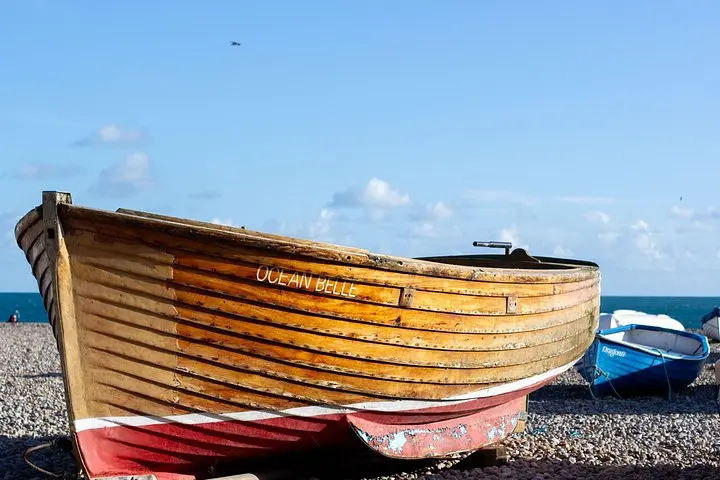
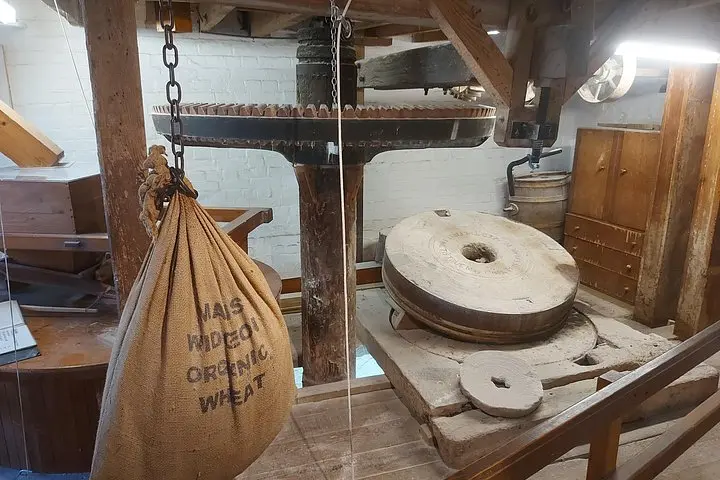
The day moves with geological and human stories: Cretaceous red sandstone sea stacks at Ladram Bay that rise raw from the surf, the shingle-hauled working boats of Beer where generations still haul in crab and mackerel, and Otterton Mill’s turning wheel that keeps a local milling tradition alive. Between stops a tram runs along the Axe, offering sustained wildlife viewing—waders, terns and migrating ducks—while guides point out tidal currents and the estuary’s history of trade and occasional smuggling.
Geology here reads like a field guide; the red cliffs are soft sandstones formed 100 million years ago, eroding into dramatic stacks and arches. Culturally, the villages retain fishing rhythms and millcraft that contrast with nearby market towns.
Practical notes: this is a full-day, small-group tour with short walks and seated transfers. Expect uneven surfaces on beaches and tram platforms; bring layers for wind and sudden sun. Plan lunch at Otterton Mill (on your own) and allow time for photography at Ladram’s sea stacks. Hydrate between stops, wear sturdy footwear for pebbled shores, and keep to designated paths to protect fragile cliffs and bird habitats.
The tour runs about 7 hours with short walks at each stop—typically 20–90 minute visits—suitable for most fitness levels.
The tour includes some admissions (e.g. Seaton Tram and specific sites noted); meals and some site purchases are not included.
Small groups and short walks make it family-friendly; however some beaches and tram platforms are uneven—notify the operator about mobility needs when booking.
Yes, Ladram Bay is popular for swimming on calm, sunny days, but always assess tide and surf conditions and swim conservatively from the shingle shore.
Jurassic Journeys operates guided outdoor trips and adventures with an emphasis on safety, stewardship, and memorable experiences.


A cool Atlantic breeze follows the narrow lane into East Devon as the van pulls up beside the Axe estuary. Travelers step out onto the quay at Seaton where the river rushes with a sudden purpose and the tram waits like an old companion, rails glinting toward saltmarsh and reedbeds.
A cool Atlantic breeze follows the narrow lane into East Devon as the van pulls up beside the Axe estuary. Travelers step out onto the quay at Seaton where the river rushes with a sudden purpose and the tram waits like an old companion, rails glinting toward saltmarsh and reedbeds.
The day moves with geological and human stories: Cretaceous red sandstone sea stacks at Ladram Bay that rise raw from the surf, the shingle-hauled working boats of Beer where generations still haul in crab and mackerel, and Otterton Mill’s turning wheel that keeps a local milling tradition alive. Between stops a tram runs along the Axe, offering sustained wildlife viewing—waders, terns and migrating ducks—while guides point out tidal currents and the estuary’s history of trade and occasional smuggling.
Geology here reads like a field guide; the red cliffs are soft sandstones formed 100 million years ago, eroding into dramatic stacks and arches. Culturally, the villages retain fishing rhythms and millcraft that contrast with nearby market towns.
Practical notes: this is a full-day, small-group tour with short walks and seated transfers. Expect uneven surfaces on beaches and tram platforms; bring layers for wind and sudden sun. Plan lunch at Otterton Mill (on your own) and allow time for photography at Ladram’s sea stacks. Hydrate between stops, wear sturdy footwear for pebbled shores, and keep to designated paths to protect fragile cliffs and bird habitats.