THE ADVENTURE COLLECTIVE® · Independent discovery and booking for outdoor travel

Discover Wadi Darbat’s lakes, Ayn Athum’s cascading falls and the misty panoramas of Jebel Samhan on a six-hour east Dhofar circuit. Ideal during the Khareef monsoon, this safari pairs easy walks with dramatic geology and frankincense-era history.
Discover Wadi Darbat’s lakes, Ayn Athum’s cascading falls and the misty panoramas of Jebel Samhan on a six-hour east Dhofar circuit. Ideal during the Khareef monsoon, this safari pairs easy walks with dramatic geology and frankincense-era history.
A low cloud drifts through a cleft in Jebel Samhan and the road ahead smells of wet earth; the landscape opens into terraces of green that feel impossible in Arabia. On this six‑hour loop east of Salalah, springs cough bright water into basins, waterfalls plunge off basalt shelves, and baobab trunks stand like slow giants against the skyline.
Verified experiences and guided adventures in the surrounding area.
Operated by WikiTours Adventures · Salalah, Dhofar
A low cloud drifts through a cleft in Jebel Samhan and the road ahead smells of wet earth; the landscape opens into terraces of green that feel impossible in Arabia. On this six‑hour loop east of Salalah, springs cough bright water into basins, waterfalls plunge off basalt shelves, and baobab trunks stand like slow giants against the skyline.
The route threads Wadi Darbat’s lakes and seasonal falls, passes Ayn Athum’s curtain of water, and skirts Ayn Hashir’s pool-fed palms before climbing to viewpoints on Jebel Samhan. Geologically, the massif is an uplifted escarpment of Oligocene to Miocene limestone and basalt; the abrupt elevation change creates the climate pocket that produces the Khareef monsoon and the brief green season. Historically this coast sat on the frankincense trade routes—Khor Rori and Salalah’s archaeological sites speak to centuries of maritime exchange.
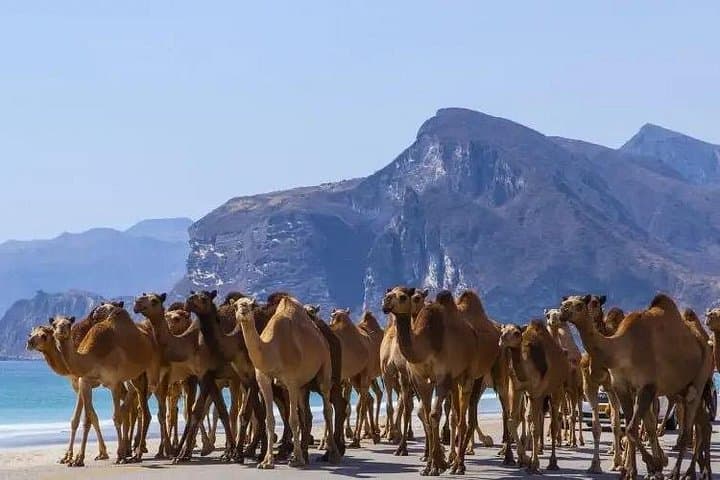
Culturally, visitors encounter a quieter Dhofar life: grazing herds, small farms, and the occasional market town where frankincense still has a role. Expect easy walking around pools and short, unmarked paths near viewpoints; some sections are rocky and slick when wet.
Practical guidance: plan visits during the Khareef (summer monsoon) for full waterfalls but bring waterproof layers and grippy shoes. Carry at least 1.5–2 liters of water, use sun protection when the mist clears, and respect local sites and baobab trees—many are culturally significant. Timing a mid-morning start avoids coastal fog while leaving time for views from Jebel Samhan before late afternoon light and wind.
The Khareef season (roughly June–September) produces the most dramatic waterfalls and green hills; outside this period flows are reduced.
The itinerary is classified as easy—most activity consists of short walks and viewing stops rather than sustained hiking.
Facilities are limited; bring water, snacks, and basic first‑aid, and plan for minimal infrastructure at remote viewpoints.
Yes—pairing with coastal sites around Khor Rori or a short Salalah city visit is common; discuss timing with your operator to optimize the day.
WikiTours Adventures operates guided outdoor trips and adventures with an emphasis on safety, stewardship, and memorable experiences.
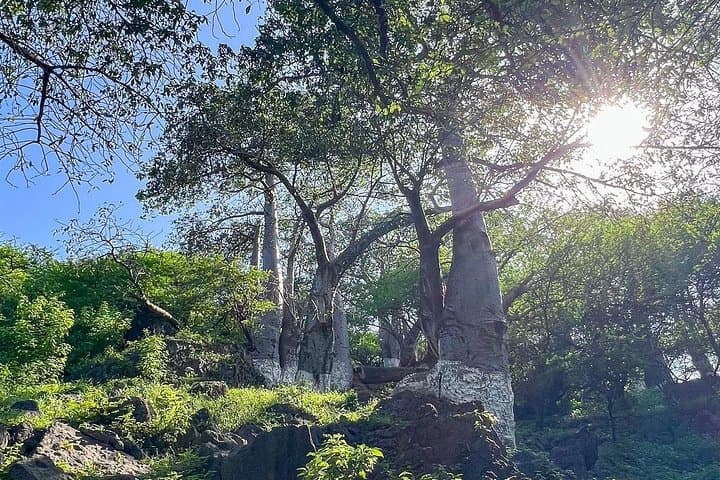
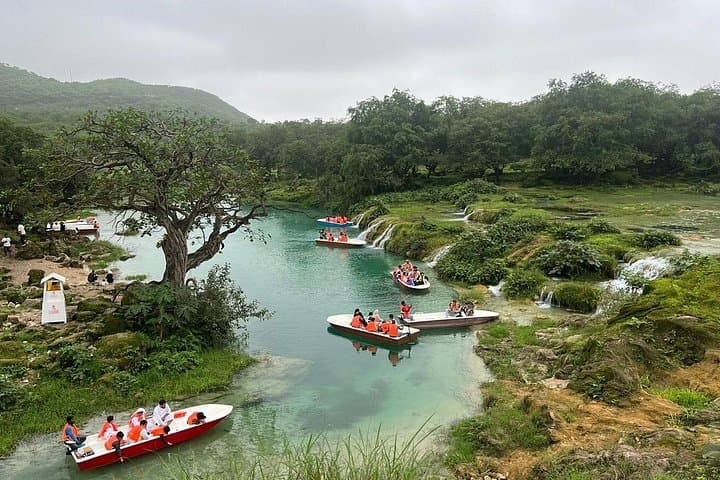
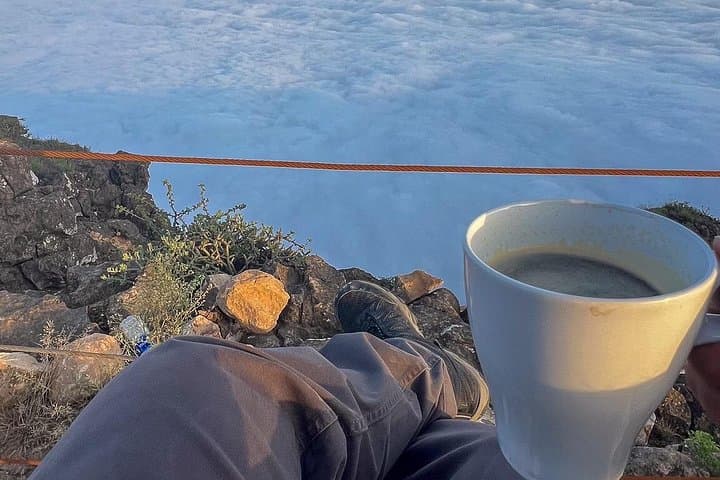
A low cloud drifts through a cleft in Jebel Samhan and the road ahead smells of wet earth; the landscape opens into terraces of green that feel impossible in Arabia. On this six‑hour loop east of Salalah, springs cough bright water into basins, waterfalls plunge off basalt shelves, and baobab trunks stand like slow giants against the skyline.
A low cloud drifts through a cleft in Jebel Samhan and the road ahead smells of wet earth; the landscape opens into terraces of green that feel impossible in Arabia. On this six‑hour loop east of Salalah, springs cough bright water into basins, waterfalls plunge off basalt shelves, and baobab trunks stand like slow giants against the skyline.
The route threads Wadi Darbat’s lakes and seasonal falls, passes Ayn Athum’s curtain of water, and skirts Ayn Hashir’s pool-fed palms before climbing to viewpoints on Jebel Samhan. Geologically, the massif is an uplifted escarpment of Oligocene to Miocene limestone and basalt; the abrupt elevation change creates the climate pocket that produces the Khareef monsoon and the brief green season. Historically this coast sat on the frankincense trade routes—Khor Rori and Salalah’s archaeological sites speak to centuries of maritime exchange.
Culturally, visitors encounter a quieter Dhofar life: grazing herds, small farms, and the occasional market town where frankincense still has a role. Expect easy walking around pools and short, unmarked paths near viewpoints; some sections are rocky and slick when wet.
Practical guidance: plan visits during the Khareef (summer monsoon) for full waterfalls but bring waterproof layers and grippy shoes. Carry at least 1.5–2 liters of water, use sun protection when the mist clears, and respect local sites and baobab trees—many are culturally significant. Timing a mid-morning start avoids coastal fog while leaving time for views from Jebel Samhan before late afternoon light and wind.