THE ADVENTURE COLLECTIVE® · Independent discovery and booking for outdoor travel

Watch sunrise over Mount Bromo, peer into Ijen’s midnight bluefire, and descend into Tumpak Sewu’s waterfall amphitheater on this compact 4-day East Java itinerary. Expect long drives, early starts, and varied terrain—rewarded by dramatic volcanic and jungle landscapes.
Watch sunrise over Mount Bromo, peer into Ijen’s midnight bluefire, and descend into Tumpak Sewu’s waterfall amphitheater on this compact 4-day East Java itinerary. Expect long drives, early starts, and varied terrain—rewarded by dramatic volcanic and jungle landscapes.
Before dawn the ridge at Kingkong Hills cracks open: cool air pushes across a black sea of sand and headlamps bob toward the crater rim. The 4x4 drops you at a ridge; you walk the last slope to watch Bromo's caldera breathe steam into sunrise.
Verified experiences and guided adventures in the surrounding area.
Operated by Java Exotica Tour · Surabaya, East Java
Before dawn the ridge at Kingkong Hills cracks open: cool air pushes across a black sea of sand and headlamps bob toward the crater rim. The 4x4 drops you at a ridge; you walk the last slope to watch Bromo's caldera breathe steam into sunrise.
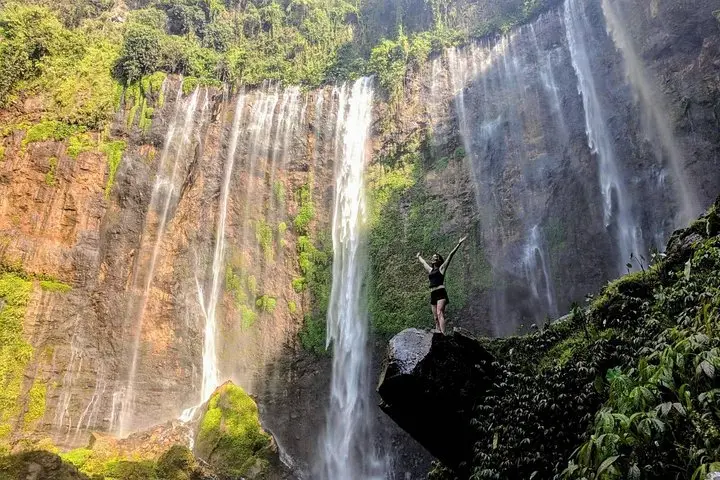
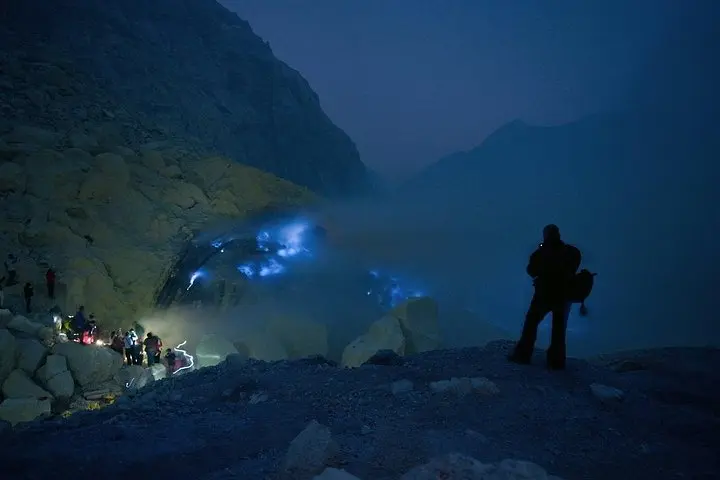
This 4-day loop stitches three of East Java’s most photographed landscapes. Mount Bromo (approx. 2,329 m) sits on the Tengger massif—a volcanic rim shaped by repeated eruptions and the local Tengger people whose Hindu offerings still mark the crater’s edge. Tumpak Sewu is a curtain-style waterfall dropping into a jungle amphitheater, carved into volcanic tuff and fed by rivers that dare you to approach. Ijen’s acid-blue flame and turquoise crater lake are the result of sulfur-rich gases igniting and dissolving into the caldera—miners still carry baskets along the rim at night.
Practical guidance: expect early mornings (sunrise starts ~02:30), long drives between sites (4–7 hours on mountain roads), and three main hikes—Bromo's short rim walk, a steep 1–2 hour descent into Tumpak Sewu’s amphitheater, and the approximately 3 km Ijen trek with 250–400 m of ascent on loose volcanic scree. Terrain varies from sandy sea flats to wet jungle steps and loose volcanic rock; good traction and layered clothing are essential.
Bring a headlamp for the midnight Ijen start, plan for abrupt weather changes, and hire local guides—both for safety in sulfur zones and to deepen cultural context. The trip is photographic, physical, and deeply elemental; it asks for attention and rewards with raw, volcanic panoramas.
The Ijen trek is about 3 km each way with sections of steep, loose volcanic rock; average hikers can complete it in 1–2 hours each way with breaks.
The tour includes local guides and admission where specified in the itinerary; confirm exact inclusions at booking.
Dry-season months (May–September) offer more stable weather and clearer skies, but bluefire and sunrise can be visible year-round depending on conditions.
Not recommended for very young children or travelers with back, heart, or respiratory issues due to early starts, steep descents, and exposure to sulfur fumes.
Java Exotica Tour operates guided outdoor trips and adventures with an emphasis on safety, stewardship, and memorable experiences.
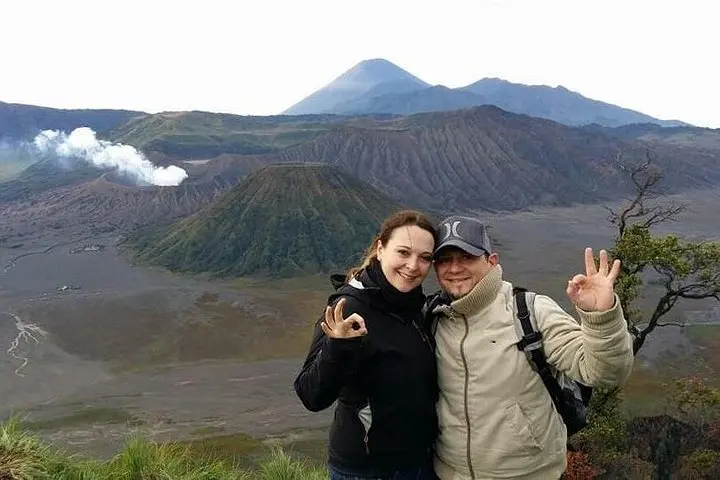
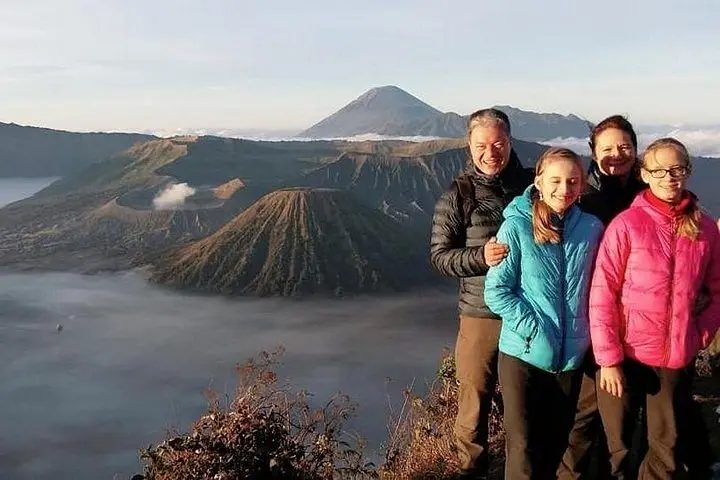
Before dawn the ridge at Kingkong Hills cracks open: cool air pushes across a black sea of sand and headlamps bob toward the crater rim. The 4x4 drops you at a ridge; you walk the last slope to watch Bromo's caldera breathe steam into sunrise.
Before dawn the ridge at Kingkong Hills cracks open: cool air pushes across a black sea of sand and headlamps bob toward the crater rim. The 4x4 drops you at a ridge; you walk the last slope to watch Bromo's caldera breathe steam into sunrise.
This 4-day loop stitches three of East Java’s most photographed landscapes. Mount Bromo (approx. 2,329 m) sits on the Tengger massif—a volcanic rim shaped by repeated eruptions and the local Tengger people whose Hindu offerings still mark the crater’s edge. Tumpak Sewu is a curtain-style waterfall dropping into a jungle amphitheater, carved into volcanic tuff and fed by rivers that dare you to approach. Ijen’s acid-blue flame and turquoise crater lake are the result of sulfur-rich gases igniting and dissolving into the caldera—miners still carry baskets along the rim at night.
Practical guidance: expect early mornings (sunrise starts ~02:30), long drives between sites (4–7 hours on mountain roads), and three main hikes—Bromo's short rim walk, a steep 1–2 hour descent into Tumpak Sewu’s amphitheater, and the approximately 3 km Ijen trek with 250–400 m of ascent on loose volcanic scree. Terrain varies from sandy sea flats to wet jungle steps and loose volcanic rock; good traction and layered clothing are essential.
Bring a headlamp for the midnight Ijen start, plan for abrupt weather changes, and hire local guides—both for safety in sulfur zones and to deepen cultural context. The trip is photographic, physical, and deeply elemental; it asks for attention and rewards with raw, volcanic panoramas.