THE ADVENTURE COLLECTIVE® · Independent discovery and booking for outdoor travel

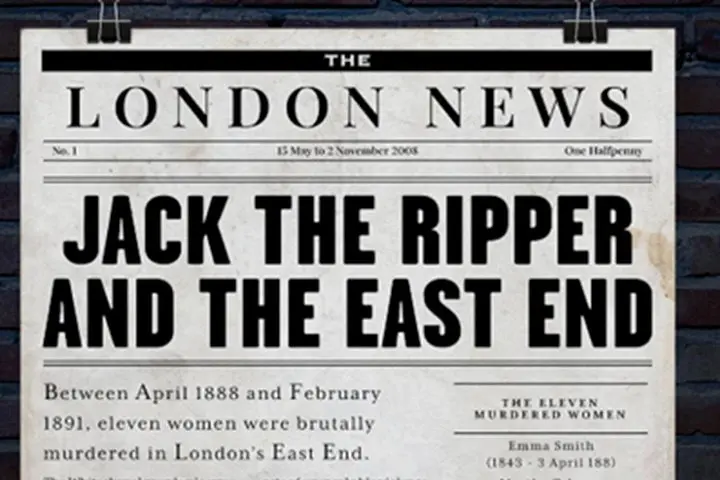
Walk Whitechapel after dark with a guide who threads factual investigation, social history, and local color into a two-hour narrative. This guided walking tour covers the canonical Jack the Ripper sites and explains the Victorian forces that shaped the crimes and their coverage.
Walk Whitechapel after dark with a guide who threads factual investigation, social history, and local color into a two-hour narrative. This guided walking tour covers the canonical Jack the Ripper sites and explains the Victorian forces that shaped the crimes and their coverage.
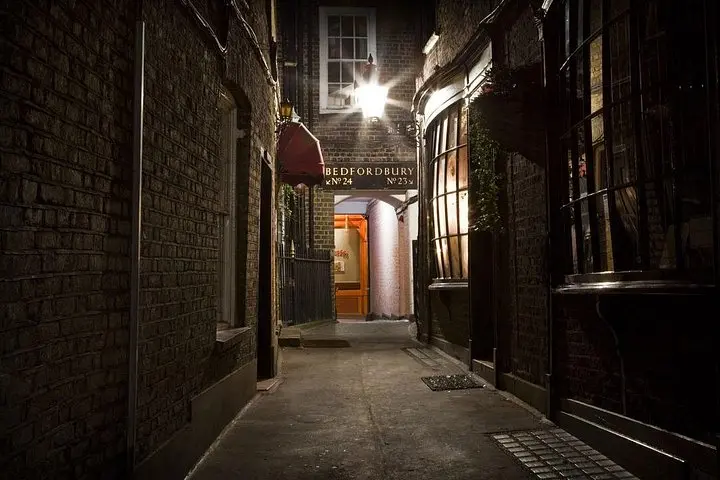
The tour begins beneath gaslamp-style streetlights and the cold heaviness of Thames-side fog, where narrow alleys squeeze between brick terraces and the city feels older than its skyline. Guides lead a small group along the lanes of Whitechapel and Spitalfields, pausing at the spots where the canonical five victims were found and where police and press first coined the name "Jack the Ripper." The walk places you in a Victorian street scene — cobbles slick with rain, pub doorways that have witnessed a century of stories, and the muffled hum of trains overhead.
Verified experiences and guided adventures in the surrounding area.
Operated by Scandic Tours · London, Greater London
The tour begins beneath gaslamp-style streetlights and the cold heaviness of Thames-side fog, where narrow alleys squeeze between brick terraces and the city feels older than its skyline. Guides lead a small group along the lanes of Whitechapel and Spitalfields, pausing at the spots where the canonical five victims were found and where police and press first coined the name "Jack the Ripper." The walk places you in a Victorian street scene — cobbles slick with rain, pub doorways that have witnessed a century of stories, and the muffled hum of trains overhead.
This is London’s industrial fringe: Victorian tenements, rag-and-bone yards, and expanding railways that concentrated poverty and created the terse policing landscape of 1888. Geologically, the route follows reclaimed marsh edge toward the Thames; the built fabric is mostly 18th–19th century brick, later patched by Victorian fire and redevelopment. Culturally the tour unpacks social neglect, journalism’s role in shaping myths, and how public health crises transformed urban policy.
Practical guidance: the route covers roughly 1.5–2 miles on uneven pavements and short alleys—bring grippy shoes and a jacket. Tours run evenings for atmosphere; expect dim lighting and close walking. Public transport access is good (Aldgate East/Whitechapel stations). Photography is allowed, but be respectful at memorial spots and private property. The experience balances historical fact with local lore; guides emphasize context over sensationalism. If you want a compact, urban night walk that combines forensic detail, social history, and atmospheric streetscape, this tour delivers a grounded, walkable slice of London’s darker past.
Yes—mobile and paper tickets are accepted; bring confirmation to show to the guide.
Infants and small children can use strollers, but some alleys and steps may be awkward—consider a carrier for easier navigation.
Meeting details are provided on booking; the area is well-served by Aldgate East, Whitechapel and Liverpool Street stations on the Tube and rail network.
Photography is allowed, but guides ask visitors to be sensitive at memorials and private property locations.
Scandic Tours operates guided outdoor trips and adventures with an emphasis on safety, stewardship, and memorable experiences.


The tour begins beneath gaslamp-style streetlights and the cold heaviness of Thames-side fog, where narrow alleys squeeze between brick terraces and the city feels older than its skyline. Guides lead a small group along the lanes of Whitechapel and Spitalfields, pausing at the spots where the canonical five victims were found and where police and press first coined the name "Jack the Ripper." The walk places you in a Victorian street scene — cobbles slick with rain, pub doorways that have witnessed a century of stories, and the muffled hum of trains overhead.
The tour begins beneath gaslamp-style streetlights and the cold heaviness of Thames-side fog, where narrow alleys squeeze between brick terraces and the city feels older than its skyline. Guides lead a small group along the lanes of Whitechapel and Spitalfields, pausing at the spots where the canonical five victims were found and where police and press first coined the name "Jack the Ripper." The walk places you in a Victorian street scene — cobbles slick with rain, pub doorways that have witnessed a century of stories, and the muffled hum of trains overhead.
This is London’s industrial fringe: Victorian tenements, rag-and-bone yards, and expanding railways that concentrated poverty and created the terse policing landscape of 1888. Geologically, the route follows reclaimed marsh edge toward the Thames; the built fabric is mostly 18th–19th century brick, later patched by Victorian fire and redevelopment. Culturally the tour unpacks social neglect, journalism’s role in shaping myths, and how public health crises transformed urban policy.
Practical guidance: the route covers roughly 1.5–2 miles on uneven pavements and short alleys—bring grippy shoes and a jacket. Tours run evenings for atmosphere; expect dim lighting and close walking. Public transport access is good (Aldgate East/Whitechapel stations). Photography is allowed, but be respectful at memorial spots and private property. The experience balances historical fact with local lore; guides emphasize context over sensationalism. If you want a compact, urban night walk that combines forensic detail, social history, and atmospheric streetscape, this tour delivers a grounded, walkable slice of London’s darker past.