THE ADVENTURE COLLECTIVE® · Independent discovery and booking for outdoor travel

Explore Wadi Darbat’s seasonal waterfalls, the ancient Khor Rori port and Taqa Castle on a compact four‑hour tour from Salalah. Expect lakes, caves, frankincense history and easy walking with big photographic payoffs.
Explore Wadi Darbat’s seasonal waterfalls, the ancient Khor Rori port and Taqa Castle on a compact four‑hour tour from Salalah. Expect lakes, caves, frankincense history and easy walking with big photographic payoffs.
You step out of an air-conditioned minivan and the valley opens: a ribbon of green cutting through ochre slopes, camels grazing near still pools, and the steady hiss of water falling from cliffs. Wadi Darbat in the Dhofar range feels immediate and alive — a landscape shaped by seasonal rains that swell its lakes and coax waterfalls down 30‑meter escarpments.
Verified experiences and guided adventures in the surrounding area.
Operated by Visit Our Salalah · Salalah, Dhofar
You step out of an air-conditioned minivan and the valley opens: a ribbon of green cutting through ochre slopes, camels grazing near still pools, and the steady hiss of water falling from cliffs. Wadi Darbat in the Dhofar range feels immediate and alive — a landscape shaped by seasonal rains that swell its lakes and coax waterfalls down 30‑meter escarpments.
The route moves from living landscape to ancient trade routes. Khor Rori and the ruined port of Sumhuram were once nodes in the frankincense trade; archaeologists have traced stone walls and old quays that link Salalah’s coast to frankincense trails across Arabia. Taqa Castle, a 19th‑century coastal stronghold, shows the region’s vernacular architecture and coastal fishing culture.
Geologically, the wadi and creek reflect the Dhofar mountains’ limestone and monsoon-fed drainage — caves and sink depressions hold pools long after the rains. Culturally, expect polite, observant communities with livelihoods tied to grazing, frankincense groves, and seasonal tourism during the Khareef (monsoon) months.
Practical guide: the full shared tour runs about four hours with short walks and viewpoint stops; terrain is mostly flat picnic grounds and short, sometimes muddy trails near waterfalls. Wear sturdy shoes, bring sun and rain protection in Khareef season, and carry water — bottled water is provided on tours but a personal bottle is useful. Photography opportunities are excellent at early and late light; be respectful at archaeological sites and follow local signage. The tour suits travelers looking for a compact mix of nature, history and coastal views within easy reach of Salalah.
The shared East Salalah tour lasts approximately four hours with multiple short stops at Wadi Darbat, Khor Rori and Taqa viewpoints.
Yes — the itinerary involves easy, short walks and mostly vehicle transfers; however, mobility limitations around uneven ground at picnic areas should be considered.
Waterfalls are most impressive during the Khareef season (roughly June–September) when monsoon rains feed the wadi and create larger cascades.
Archaeological park entry is typically separate from the tour price; check the tour details or ask the operator at booking for current inclusion policies.
Visit Our Salalah operates guided outdoor trips and adventures with an emphasis on safety, stewardship, and memorable experiences.
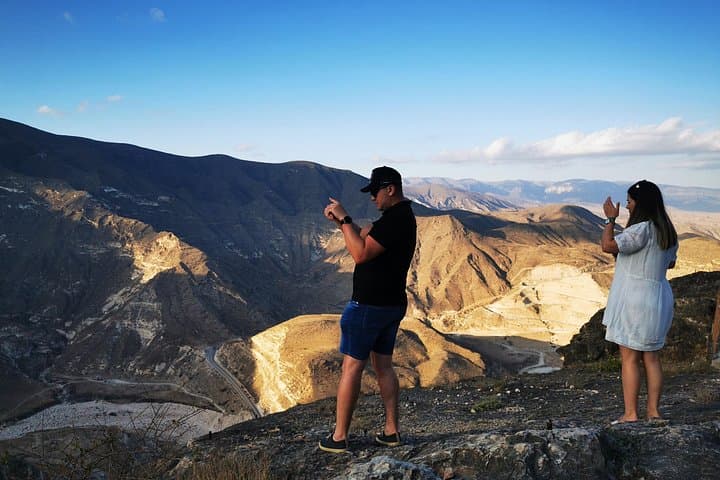
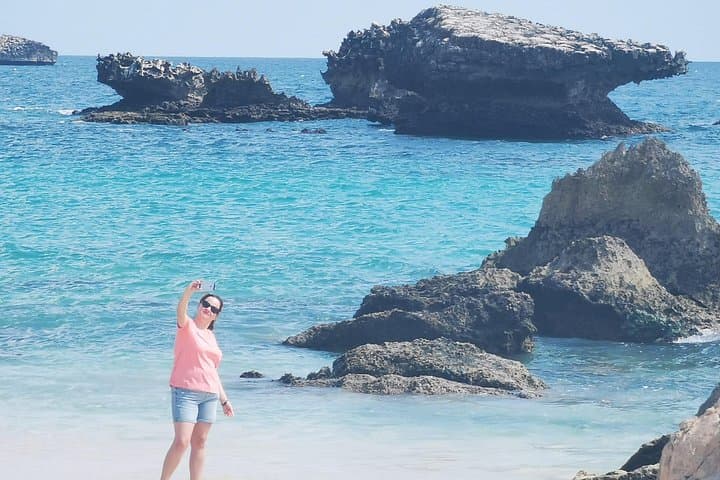


You step out of an air-conditioned minivan and the valley opens: a ribbon of green cutting through ochre slopes, camels grazing near still pools, and the steady hiss of water falling from cliffs. Wadi Darbat in the Dhofar range feels immediate and alive — a landscape shaped by seasonal rains that swell its lakes and coax waterfalls down 30‑meter escarpments.
You step out of an air-conditioned minivan and the valley opens: a ribbon of green cutting through ochre slopes, camels grazing near still pools, and the steady hiss of water falling from cliffs. Wadi Darbat in the Dhofar range feels immediate and alive — a landscape shaped by seasonal rains that swell its lakes and coax waterfalls down 30‑meter escarpments.
The route moves from living landscape to ancient trade routes. Khor Rori and the ruined port of Sumhuram were once nodes in the frankincense trade; archaeologists have traced stone walls and old quays that link Salalah’s coast to frankincense trails across Arabia. Taqa Castle, a 19th‑century coastal stronghold, shows the region’s vernacular architecture and coastal fishing culture.
Geologically, the wadi and creek reflect the Dhofar mountains’ limestone and monsoon-fed drainage — caves and sink depressions hold pools long after the rains. Culturally, expect polite, observant communities with livelihoods tied to grazing, frankincense groves, and seasonal tourism during the Khareef (monsoon) months.
Practical guide: the full shared tour runs about four hours with short walks and viewpoint stops; terrain is mostly flat picnic grounds and short, sometimes muddy trails near waterfalls. Wear sturdy shoes, bring sun and rain protection in Khareef season, and carry water — bottled water is provided on tours but a personal bottle is useful. Photography opportunities are excellent at early and late light; be respectful at archaeological sites and follow local signage. The tour suits travelers looking for a compact mix of nature, history and coastal views within easy reach of Salalah.