THE ADVENTURE COLLECTIVE® · Independent discovery and booking for outdoor travel

A full-day drive through eastern Salalah stitches together seasonal wadis, cliff-top panoramas, and historic coastal towns. From Wadi Darbat’s pools to Mirbat’s harbor, this tour pairs easy walks with striking photo stops.
A full-day drive through eastern Salalah stitches together seasonal wadis, cliff-top panoramas, and historic coastal towns. From Wadi Darbat’s pools to Mirbat’s harbor, this tour pairs easy walks with striking photo stops.
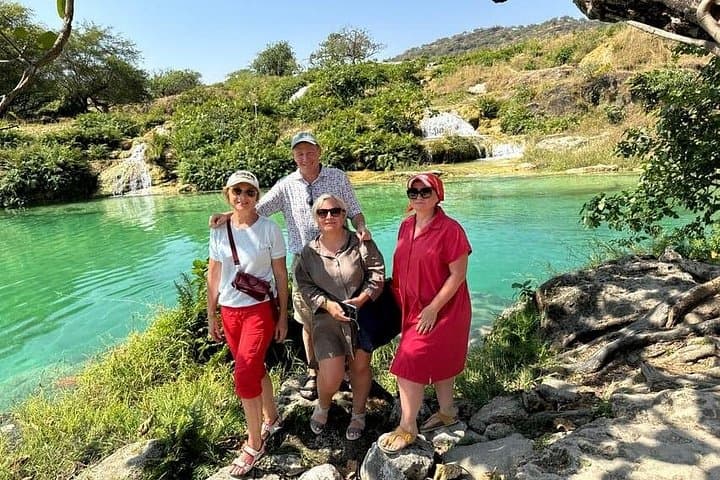
You start the day with the engine humming and the road opening eastward—verdant Wadi Darbat arriving like an unexpected pocket of cool after desert heat. Water gathers in still pools beneath seasonal falls that dare you to linger; palms and grass bend toward the water as if pointing the way.
Verified experiences and guided adventures in the surrounding area.
Operated by GidOman · Salalah, Dhofar
You start the day with the engine humming and the road opening eastward—verdant Wadi Darbat arriving like an unexpected pocket of cool after desert heat. Water gathers in still pools beneath seasonal falls that dare you to linger; palms and grass bend toward the water as if pointing the way.
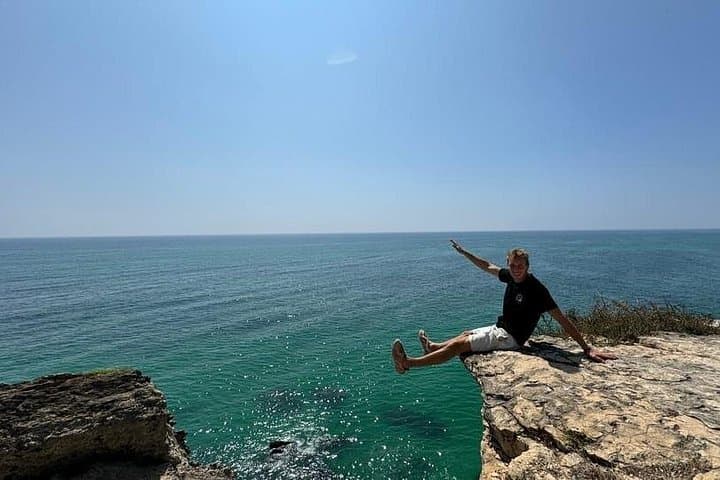
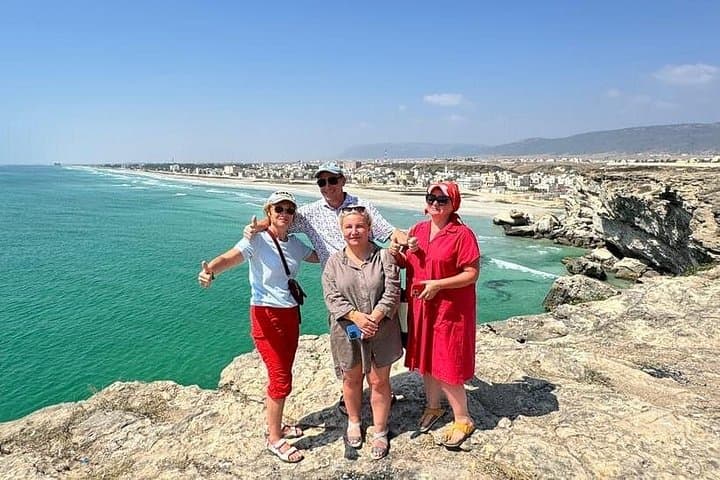
This route threads natural history and human history. Wadi Darbat swells in the khareef (monsoon) months, fed by ephemeral streams that carve the limestone and bring life to grasses and acacia. Jabal Samhan’s cliffs are older rock—Eocene limestone that drops into sea-facing escarpments—offering panoramas where geology reads like a layered chronicle. Mirbat, once a frankincense and dhow port, keeps its coastal architecture and stories of maritime trade; Taqa’s plateau gives late-afternoon light ideal for photos and watchful seabirds.
Expect moments of optical trickery at the Anti-Gravity Point—an uphill roll illusion caused by a downhill slope and the horizon line—and short walks to baobabs that stand like slow-moving anchors in the landscape. Local culture is grounded and hospitable: small markets in Mirbat sell fish and dates; drivers and guides are conversant in the trade of place names and viewpoints.
Practical guidance: travel light but bring water, sun protection, and layered clothing for breezy coastal overlooks. Roads are paved between main sites but can be windy; a 4x4 isn’t needed for standard tours but comfortable shoes help at rocky viewpoints. Plan morning or late-afternoon for softer light and steadier temperatures, and allow time to sit at a coastal café to watch tides shift and seabirds hunt.
The tour is about six hours, typically including pick-up, multiple stops, a lunch break, and drop-off back in Salalah.
Yes—walking is minimal and easy; the trip is driven in an air-conditioned vehicle with short, accessible stops.
Wadi Darbat is most dramatic during the khareef (monsoon) months—roughly June to September—when grazing and waterfalls appear.
Most viewpoints and beaches are open access; if visiting protected areas or private sites there may be small local fees—your guide will advise.
GidOman operates guided outdoor trips and adventures with an emphasis on safety, stewardship, and memorable experiences.

You start the day with the engine humming and the road opening eastward—verdant Wadi Darbat arriving like an unexpected pocket of cool after desert heat. Water gathers in still pools beneath seasonal falls that dare you to linger; palms and grass bend toward the water as if pointing the way.
You start the day with the engine humming and the road opening eastward—verdant Wadi Darbat arriving like an unexpected pocket of cool after desert heat. Water gathers in still pools beneath seasonal falls that dare you to linger; palms and grass bend toward the water as if pointing the way.
This route threads natural history and human history. Wadi Darbat swells in the khareef (monsoon) months, fed by ephemeral streams that carve the limestone and bring life to grasses and acacia. Jabal Samhan’s cliffs are older rock—Eocene limestone that drops into sea-facing escarpments—offering panoramas where geology reads like a layered chronicle. Mirbat, once a frankincense and dhow port, keeps its coastal architecture and stories of maritime trade; Taqa’s plateau gives late-afternoon light ideal for photos and watchful seabirds.
Expect moments of optical trickery at the Anti-Gravity Point—an uphill roll illusion caused by a downhill slope and the horizon line—and short walks to baobabs that stand like slow-moving anchors in the landscape. Local culture is grounded and hospitable: small markets in Mirbat sell fish and dates; drivers and guides are conversant in the trade of place names and viewpoints.
Practical guidance: travel light but bring water, sun protection, and layered clothing for breezy coastal overlooks. Roads are paved between main sites but can be windy; a 4x4 isn’t needed for standard tours but comfortable shoes help at rocky viewpoints. Plan morning or late-afternoon for softer light and steadier temperatures, and allow time to sit at a coastal café to watch tides shift and seabirds hunt.