THE ADVENTURE COLLECTIVE® · Independent discovery and booking for outdoor travel

Taste your way down St. Marks Place on a small-group East Village Food Tour that pairs five curated bites with neighborhood history and local tips. Expect 2–3 hours of walking, storytelling, and enough recommendations to plan a full return meal.
Taste your way down St. Marks Place on a small-group East Village Food Tour that pairs five curated bites with neighborhood history and local tips. Expect 2–3 hours of walking, storytelling, and enough recommendations to plan a full return meal.
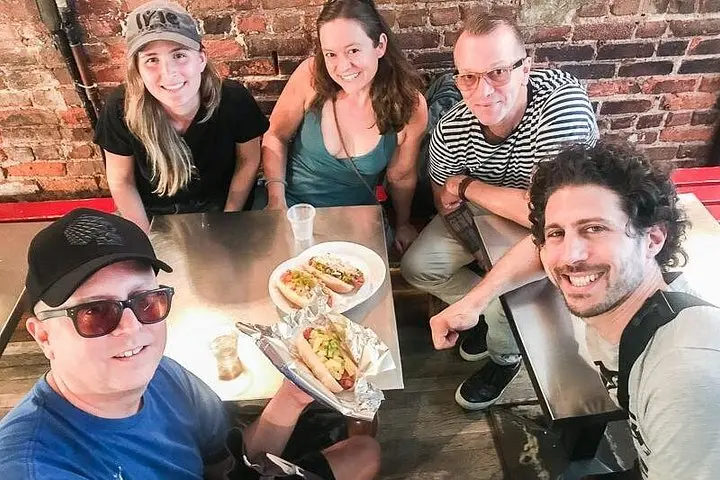
The cobbles of St. Marks Place hum underfoot as you move through storefronts that have fed generations of New Yorkers. The street dares you to slow your pace—salted pretzels, spicy dumplings, and a slice from a neighborhood pizzeria arrive in short, deliberate bursts. Small-group rhythm keeps the walk conversational; vendors become chapters in a living neighborhood story.
Verified experiences and guided adventures in the surrounding area.
Operated by True Tales of NYC Walking Tours · New York, New York
The cobbles of St. Marks Place hum underfoot as you move through storefronts that have fed generations of New Yorkers. The street dares you to slow your pace—salted pretzels, spicy dumplings, and a slice from a neighborhood pizzeria arrive in short, deliberate bursts. Small-group rhythm keeps the walk conversational; vendors become chapters in a living neighborhood story.
The East Village was shaped by waves of immigrants from the 19th century onward, later becoming a crucible for counterculture and punk in the 1970s and 80s. Beneath the pavement Manhattan schist and glacial deposits remind you the island’s geology once resisted ice and time—now it supports brownstones and neon signs. Local culture is hands-on and unpretentious: eateries trade recipes across generations, and streets host murals that mark political and artistic movements.
Expect five tastings over roughly 2¼ hours, with a guide narrating culinary and cultural context between bites. The route stays on mostly flat sidewalks and crosses busy city streets; comfortable walking shoes matter more than technical gear. Groups are capped small for atmosphere and access, and the tour notes it cannot accommodate certain severe food allergies—ask ahead if you have restrictions.
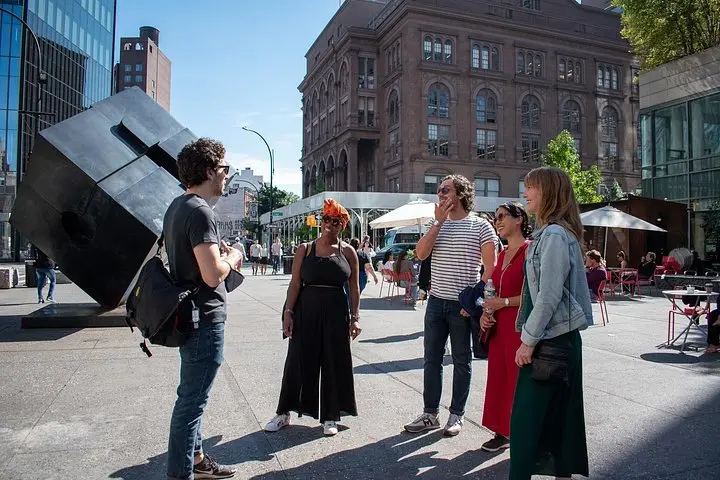
Practical guidance: meet at the Astor Place cube or the listed meeting point, arrive hungry but not starved, and plan for a mix of indoor stops and curbside bites. Bring a refillable bottle, local transit card, and a light jacket for evening chill. Tip for service when appropriate and save room for a favorite spot the guide recommends at the end.
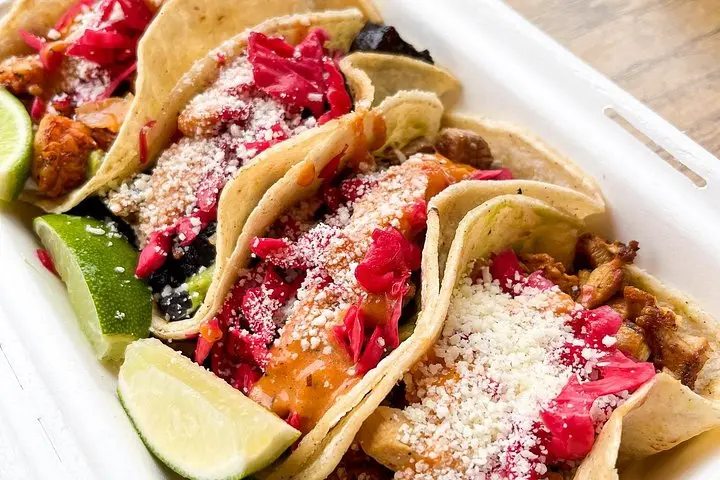
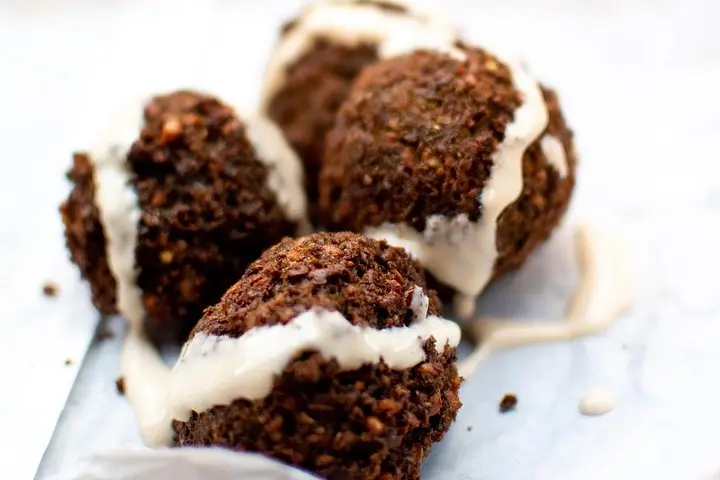
The tour includes five tastings at different establishments along St. Marks Place and nearby streets.
The operator advises they cannot accommodate certain food allergies—contact them before booking to discuss restrictions.
Meet beside the Astor Place cube; the tour finishes near Avenue A and East 7th Street for easy transit access.
The tour is stroller accessible and suitable for most mobility levels, but sidewalks and curb crossings mean some assistance may be needed.
True Tales of NYC Walking Tours operates guided outdoor trips and adventures with an emphasis on safety, stewardship, and memorable experiences.
The cobbles of St. Marks Place hum underfoot as you move through storefronts that have fed generations of New Yorkers. The street dares you to slow your pace—salted pretzels, spicy dumplings, and a slice from a neighborhood pizzeria arrive in short, deliberate bursts. Small-group rhythm keeps the walk conversational; vendors become chapters in a living neighborhood story.
The cobbles of St. Marks Place hum underfoot as you move through storefronts that have fed generations of New Yorkers. The street dares you to slow your pace—salted pretzels, spicy dumplings, and a slice from a neighborhood pizzeria arrive in short, deliberate bursts. Small-group rhythm keeps the walk conversational; vendors become chapters in a living neighborhood story.
The East Village was shaped by waves of immigrants from the 19th century onward, later becoming a crucible for counterculture and punk in the 1970s and 80s. Beneath the pavement Manhattan schist and glacial deposits remind you the island’s geology once resisted ice and time—now it supports brownstones and neon signs. Local culture is hands-on and unpretentious: eateries trade recipes across generations, and streets host murals that mark political and artistic movements.
Expect five tastings over roughly 2¼ hours, with a guide narrating culinary and cultural context between bites. The route stays on mostly flat sidewalks and crosses busy city streets; comfortable walking shoes matter more than technical gear. Groups are capped small for atmosphere and access, and the tour notes it cannot accommodate certain severe food allergies—ask ahead if you have restrictions.
Practical guidance: meet at the Astor Place cube or the listed meeting point, arrive hungry but not starved, and plan for a mix of indoor stops and curbside bites. Bring a refillable bottle, local transit card, and a light jacket for evening chill. Tip for service when appropriate and save room for a favorite spot the guide recommends at the end.