THE ADVENTURE COLLECTIVE® · Independent discovery and booking for outdoor travel

Take a two‑hour stroll through Manhattan’s East Village to sample pierogi, kielbasa, egg creams and old‑world baked goods while learning the neighborhood’s immigrant history. Small groups keep the pace conversational and accessible—bring allergy info and public transit directions.
Take a two‑hour stroll through Manhattan’s East Village to sample pierogi, kielbasa, egg creams and old‑world baked goods while learning the neighborhood’s immigrant history. Small groups keep the pace conversational and accessible—bring allergy info and public transit directions.
You step out onto Second Avenue where steam curls from a bakery window and the aroma of smoked kielbasa threads through the bustle. The East Village here still moves at two speeds: hurried commuters and neighbors lingering over coffee and sweet rolls. On this two-hour pierogi walk you trade the blur of Midtown for small storefronts, browned pastry edges, and the cadence of landlords and long‑time owners trading stories.
Verified experiences and guided adventures in the surrounding area.
Operated by GREG WALKS NYC · New York, NY
You step out onto Second Avenue where steam curls from a bakery window and the aroma of smoked kielbasa threads through the bustle. The East Village here still moves at two speeds: hurried commuters and neighbors lingering over coffee and sweet rolls. On this two-hour pierogi walk you trade the blur of Midtown for small storefronts, browned pastry edges, and the cadence of landlords and long‑time owners trading stories.
The neighborhood reads like a living archive: 19th‑century tenements, the graveyard at St. Mark’s-in-the-Bowery where Peter Stuyvesant rests, and traces of Little Germany that gave way to Polish delis after waves of Eastern European immigration. Manhattan’s bedrock — Manhattan schist — underpins these streets, a reminder that the island’s shape was carved by glaciers, not just city planners. The tour threads culinary culture with local anecdotes: how pierogi recipes travel generations, how egg creams became a neighborhood staple, and how food spaces doubled as community halls.
Practically, expect roughly one mile of mostly flat pavement with frequent stops for 6–8 small samples; bites are not a full meal. Public transit access is excellent—subways and buses put you within a short walk of the start point outside Little Poland. Notify guides of allergies in advance; tours are limited to eight people for an intimate pace. Dress for weather — sidewalks get slick in winter and crowded on weekends — and bring a small bag for receipts, photos, and a water bottle. Arrive hungry but ready to nibble your way through history.
The tour includes multiple small samples (bite-sized) designed to highlight local specialties—not intended as a full meal, so plan a larger meal before or after if needed.
The tour is listed as wheelchair accessible, but check with the operator ahead of time about specific curb cuts and any accessibility needs at individual stops.
Yes—public tours welcome solo travelers; public tours require a minimum of two participants to operate and groups are capped at eight.
No—alcohol is not served on this tour. Non‑alcoholic samples like egg creams are included; bring cash or card for additional purchases.
GREG WALKS NYC operates guided outdoor trips and adventures with an emphasis on safety, stewardship, and memorable experiences.
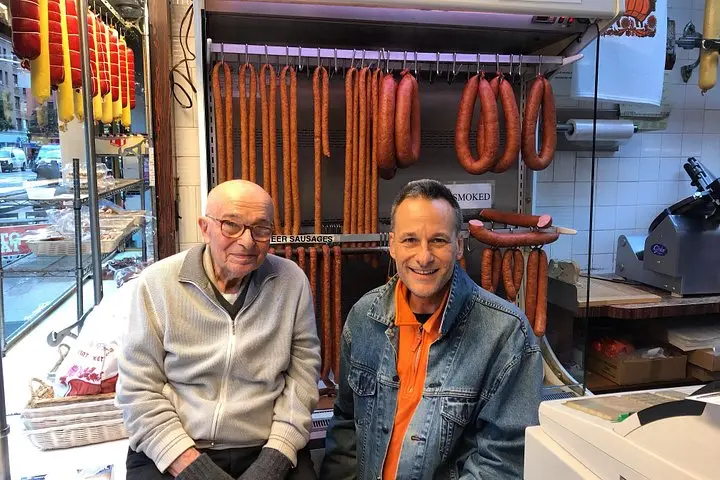

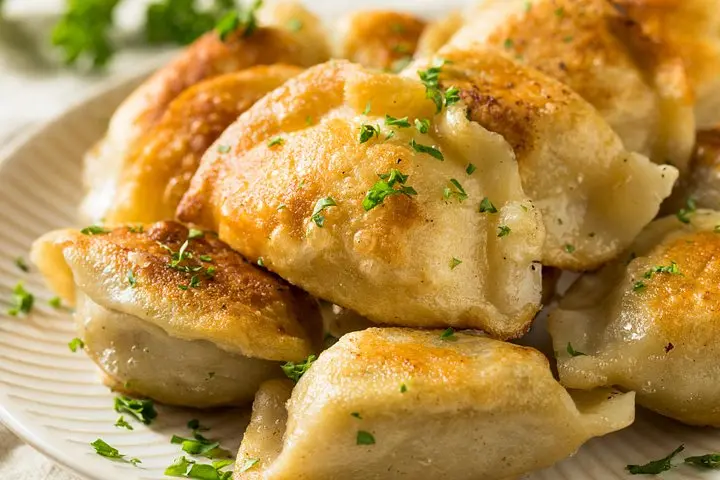
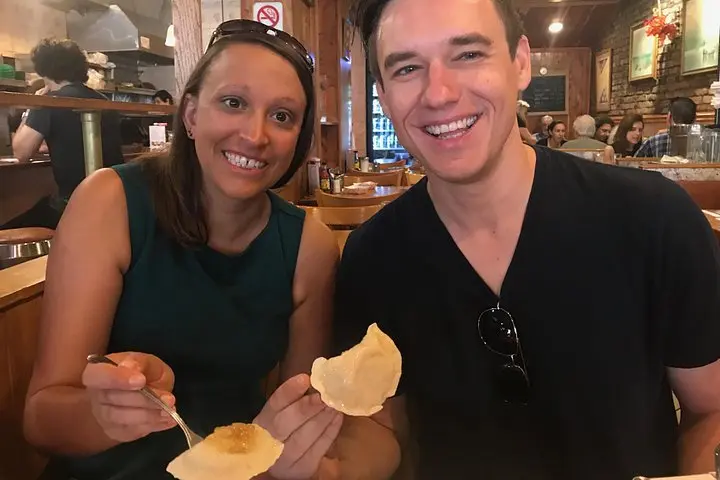
You step out onto Second Avenue where steam curls from a bakery window and the aroma of smoked kielbasa threads through the bustle. The East Village here still moves at two speeds: hurried commuters and neighbors lingering over coffee and sweet rolls. On this two-hour pierogi walk you trade the blur of Midtown for small storefronts, browned pastry edges, and the cadence of landlords and long‑time owners trading stories.
You step out onto Second Avenue where steam curls from a bakery window and the aroma of smoked kielbasa threads through the bustle. The East Village here still moves at two speeds: hurried commuters and neighbors lingering over coffee and sweet rolls. On this two-hour pierogi walk you trade the blur of Midtown for small storefronts, browned pastry edges, and the cadence of landlords and long‑time owners trading stories.
The neighborhood reads like a living archive: 19th‑century tenements, the graveyard at St. Mark’s-in-the-Bowery where Peter Stuyvesant rests, and traces of Little Germany that gave way to Polish delis after waves of Eastern European immigration. Manhattan’s bedrock — Manhattan schist — underpins these streets, a reminder that the island’s shape was carved by glaciers, not just city planners. The tour threads culinary culture with local anecdotes: how pierogi recipes travel generations, how egg creams became a neighborhood staple, and how food spaces doubled as community halls.
Practically, expect roughly one mile of mostly flat pavement with frequent stops for 6–8 small samples; bites are not a full meal. Public transit access is excellent—subways and buses put you within a short walk of the start point outside Little Poland. Notify guides of allergies in advance; tours are limited to eight people for an intimate pace. Dress for weather — sidewalks get slick in winter and crowded on weekends — and bring a small bag for receipts, photos, and a water bottle. Arrive hungry but ready to nibble your way through history.