THE ADVENTURE COLLECTIVE® · Independent discovery and booking for outdoor travel

Spend three days on a focused safari during the Easter weekend in Masai Mara. Expect dawn and dusk game drives, river crossings in migration months, and practical logistics—lodges or tented camps, park fees, and local Maasai interactions.
Spend three days on a focused safari during the Easter weekend in Masai Mara. Expect dawn and dusk game drives, river crossings in migration months, and practical logistics—lodges or tented camps, park fees, and local Maasai interactions.
Early light spreads across open grassland and the Mara River runs like a silver thread daring you to follow it. Vehicles pull out before dawn; the bush holds its breath and then exhales a herd of wildebeest, zebra and the occasional lion pride moving through long, shifting shadows.
Verified experiences and guided adventures in the surrounding area.
Early light spreads across open grassland and the Mara River runs like a silver thread daring you to follow it. Vehicles pull out before dawn; the bush holds its breath and then exhales a herd of wildebeest, zebra and the occasional lion pride moving through long, shifting shadows.
The Masai Mara sits on the western edge of the East African Rift, a gently undulating savanna at roughly 1,500 m elevation where volcanic soils, seasonal rivers and drought cycles shape a living landscape. The reserve is part of the larger Serengeti-Mara ecosystem, a landscape that has supported Maasai pastoralists for generations and today blends traditional culture with modern conservation and tourism.
A 3-day Easter safari is straightforward in logistics but rich in variability: expect early-morning and late-afternoon game drives, river crossings during the migration season, and short walks from well-placed camps or lodges. Roads can be dusty or turn to clay with rain; driver-guides read weather and animal movement to find wildlife rather than following a fixed trail.
Practical essentials: rise early, pack layered clothing for cool mornings and hot afternoons, carry water and binoculars, and plan for basic park fees and tipping in cash. Malaria prophylaxis and insect repellent are recommended; camps provide hot meals and briefings. Timing matters—dawn and dusk concentrate sightings, while midday is best for camp comforts and local culture time with Maasai boma visits.
This is a trip about presence: patience pays, and simple preparations turn long drives into rich encounters with one of Africa’s most active wildlife theaters.
Most visitors travel by road (about 5–6 hours) or a 45–60 minute flight to airstrips near the reserve; tour operators coordinate transfers and game-drive schedules.
Vaccinations such as yellow fever (if arriving from an endemic country) and routine immunizations are recommended; malaria prophylaxis and mosquito protection are advised—consult your travel clinician.
Yes—many lodges accept families but age policies vary; check with the operator for vehicle seating and accommodation restrictions and book family-friendly camps in advance.
Park entrance fees are charged per person and vary by season; tipping guides and camp staff is customary, typically in local currency—confirm current fees with your operator.
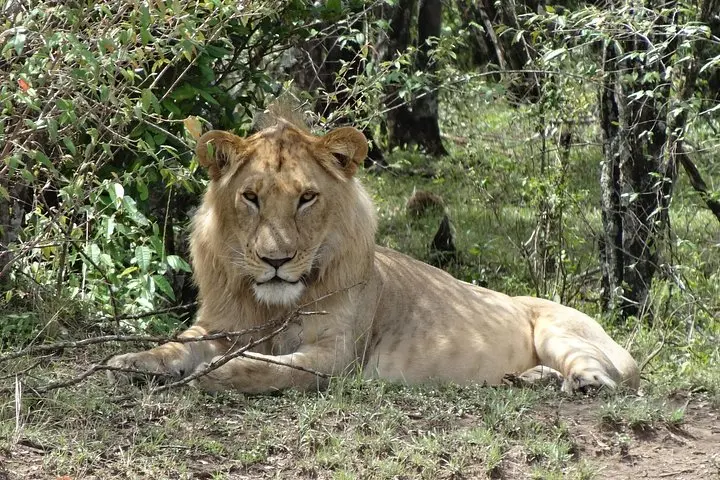
Early light spreads across open grassland and the Mara River runs like a silver thread daring you to follow it. Vehicles pull out before dawn; the bush holds its breath and then exhales a herd of wildebeest, zebra and the occasional lion pride moving through long, shifting shadows.
Early light spreads across open grassland and the Mara River runs like a silver thread daring you to follow it. Vehicles pull out before dawn; the bush holds its breath and then exhales a herd of wildebeest, zebra and the occasional lion pride moving through long, shifting shadows.
The Masai Mara sits on the western edge of the East African Rift, a gently undulating savanna at roughly 1,500 m elevation where volcanic soils, seasonal rivers and drought cycles shape a living landscape. The reserve is part of the larger Serengeti-Mara ecosystem, a landscape that has supported Maasai pastoralists for generations and today blends traditional culture with modern conservation and tourism.
A 3-day Easter safari is straightforward in logistics but rich in variability: expect early-morning and late-afternoon game drives, river crossings during the migration season, and short walks from well-placed camps or lodges. Roads can be dusty or turn to clay with rain; driver-guides read weather and animal movement to find wildlife rather than following a fixed trail.
Practical essentials: rise early, pack layered clothing for cool mornings and hot afternoons, carry water and binoculars, and plan for basic park fees and tipping in cash. Malaria prophylaxis and insect repellent are recommended; camps provide hot meals and briefings. Timing matters—dawn and dusk concentrate sightings, while midday is best for camp comforts and local culture time with Maasai boma visits.
This is a trip about presence: patience pays, and simple preparations turn long drives into rich encounters with one of Africa’s most active wildlife theaters.