THE ADVENTURE COLLECTIVE® · Independent discovery and booking for outdoor travel

Board a sleeper train in Cairo and follow the Nile from Giza’s pyramids to Aswan’s granite quarries and Luxor’s royal tombs. This eight-day Easter itinerary pairs overnight trains with a classic Nile cruise for a practical, archaeology-first voyage.
Board a sleeper train in Cairo and follow the Nile from Giza’s pyramids to Aswan’s granite quarries and Luxor’s royal tombs. This eight-day Easter itinerary pairs overnight trains with a classic Nile cruise for a practical, archaeology-first voyage.
The sleeper train rocks you awake to a copper sunrise over the Nile as Cairo fades behind you and the desert opens like a slow-moving map. Steam-pressed cityscapes give way to low, ochre fields and the river, always present, pulling you toward Aswan’s granite quarries and the colonnades of Luxor.
Verified experiences and guided adventures in the surrounding area.
Operated by This Is Egypt · Cairo, Cairo Governorate
The sleeper train rocks you awake to a copper sunrise over the Nile as Cairo fades behind you and the desert opens like a slow-moving map. Steam-pressed cityscapes give way to low, ochre fields and the river, always present, pulling you toward Aswan’s granite quarries and the colonnades of Luxor.
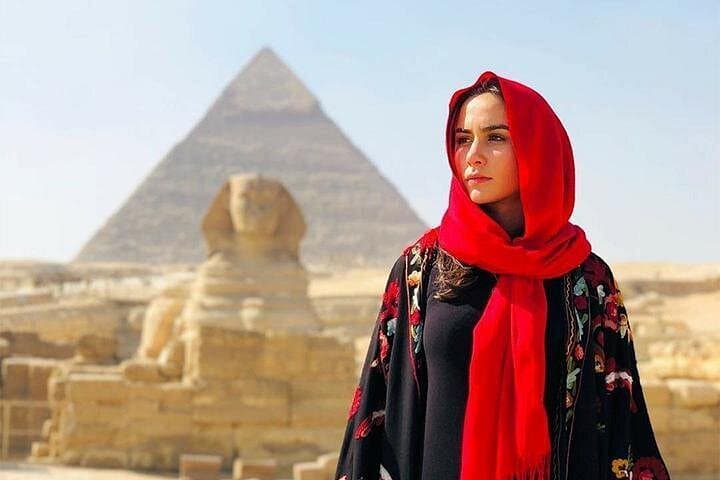
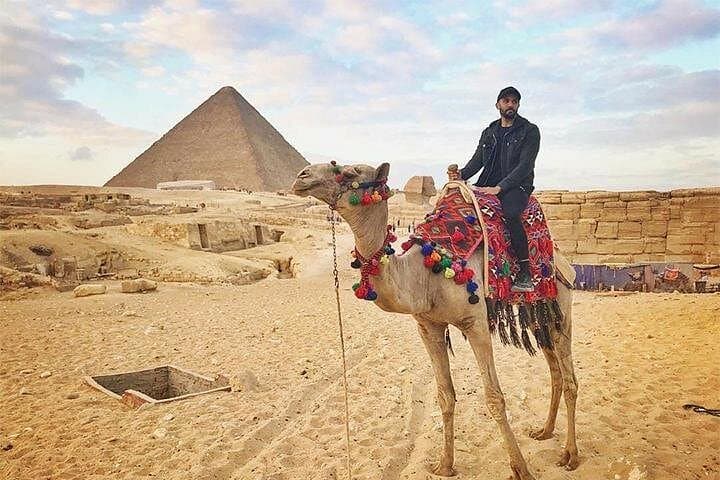
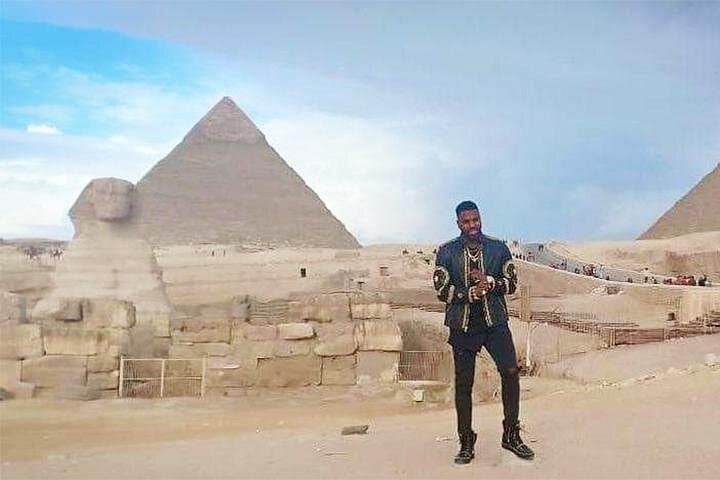
This eight-day route stitches together Egypt’s major archaeological chapters: the Giza Plateau’s three pyramids and Sphinx, the pharaonic necropolises of the West Bank, Kom Ombo’s dual-temple plan and Edfu’s intact cult complex. Geologically, you move from Nile silt plains to the hard-granite outcrops of Aswan where the Unfinished Obelisk still shows the tool marks of New Kingdom stonecutters. Culturally, expect layers: Coptic churches and medieval markets in Cairo, village feluccas coasting past island groves in Upper Egypt, and the persistent rhythms of river life that shaped pharaonic power.
Practical guidance: Easter is a busy travel window — book sleepers and temple tickets early. Pack a brimmed hat, sturdy walking shoes and a reusable water bottle; shade is sparse at ruins. Bring a photocopy of your passport for ticket offices, and expect uneven stone steps and dusty paths — accessible options are limited at some sites. Sleeper-train cabins and the standard Nile cruise nights offer comfortable rest, but carry earplugs and motion-sickness remedies if you’re sensitive. Balance your schedule: plan temple visits early morning or late afternoon to avoid midday heat and to catch the best light for reliefs and hieroglyphs.
This itinerary is both archaeological immersion and practical travel: long transfers are broken by guided visits, and the river’s cadence keeps the pace measured and steady.
The tour lists admissions for many major sites; confirm the booking details and ticket inclusions on your voucher since some optional excursions like Sakkara may be extra.
Sleeper trains provide private compartments with twin beds and basic amenities; they’re functional and a convenient overnight option but not equivalent to a hotel in space or services.
Carry some Egyptian pounds for small purchases, tips, market shopping and incidentals; major cards work in hotels but not at many sites or local vendors.
Many temples and archaeological sites have uneven terrain and steps; travelers with mobility concerns should check specific site accessibility and request assistance in advance.
This Is Egypt operates guided outdoor trips and adventures with an emphasis on safety, stewardship, and memorable experiences.
The sleeper train rocks you awake to a copper sunrise over the Nile as Cairo fades behind you and the desert opens like a slow-moving map. Steam-pressed cityscapes give way to low, ochre fields and the river, always present, pulling you toward Aswan’s granite quarries and the colonnades of Luxor.
The sleeper train rocks you awake to a copper sunrise over the Nile as Cairo fades behind you and the desert opens like a slow-moving map. Steam-pressed cityscapes give way to low, ochre fields and the river, always present, pulling you toward Aswan’s granite quarries and the colonnades of Luxor.
This eight-day route stitches together Egypt’s major archaeological chapters: the Giza Plateau’s three pyramids and Sphinx, the pharaonic necropolises of the West Bank, Kom Ombo’s dual-temple plan and Edfu’s intact cult complex. Geologically, you move from Nile silt plains to the hard-granite outcrops of Aswan where the Unfinished Obelisk still shows the tool marks of New Kingdom stonecutters. Culturally, expect layers: Coptic churches and medieval markets in Cairo, village feluccas coasting past island groves in Upper Egypt, and the persistent rhythms of river life that shaped pharaonic power.
Practical guidance: Easter is a busy travel window — book sleepers and temple tickets early. Pack a brimmed hat, sturdy walking shoes and a reusable water bottle; shade is sparse at ruins. Bring a photocopy of your passport for ticket offices, and expect uneven stone steps and dusty paths — accessible options are limited at some sites. Sleeper-train cabins and the standard Nile cruise nights offer comfortable rest, but carry earplugs and motion-sickness remedies if you’re sensitive. Balance your schedule: plan temple visits early morning or late afternoon to avoid midday heat and to catch the best light for reliefs and hieroglyphs.
This itinerary is both archaeological immersion and practical travel: long transfers are broken by guided visits, and the river’s cadence keeps the pace measured and steady.