THE ADVENTURE COLLECTIVE® · Independent discovery and booking for outdoor travel

An eight-day loop from Dushanbe through Penjikent, Haftkul and Iskanderkul to the Fann Mountains that combines UNESCO archaeology with high-alpine lakes and multi-day trekking. Expect cultural sites, dramatic geology and full days of walking at altitude.
An eight-day loop from Dushanbe through Penjikent, Haftkul and Iskanderkul to the Fann Mountains that combines UNESCO archaeology with high-alpine lakes and multi-day trekking. Expect cultural sites, dramatic geology and full days of walking at altitude.
A low, clear light falls across the Fan Mountains as your minivan winds up from Dushanbe—rocky spines rise, and a chain of alpine lakes catches the morning. By the second day you’re standing at Haftkul’s multicolored basins, each pond a different mood, while farther east Iskanderkul’s deep blue sits beneath glaciated ridgelines that dare you to walk higher.
Verified experiences and guided adventures in the surrounding area.
Operated by Bunyod-Tour · Dushanbe, Districts of Republican Subordination
A low, clear light falls across the Fan Mountains as your minivan winds up from Dushanbe—rocky spines rise, and a chain of alpine lakes catches the morning. By the second day you’re standing at Haftkul’s multicolored basins, each pond a different mood, while farther east Iskanderkul’s deep blue sits beneath glaciated ridgelines that dare you to walk higher.
This itinerary threads archaeology and alpine geology: Sarazm’s 4th-millennium BCE terraces recall early Silk Road exchanges, Rudaki’s museum traces the birth of classical Persian verse, and Iskanderkul—scientifically a rock-fall-dammed lake—frames myths about Alexander the Great. In the Fann range, peaks often top 4,000–5,000 m (Chimtarga reaches 5,489 m), carved from ancient metamorphic rock and shaped by Pleistocene glaciers.
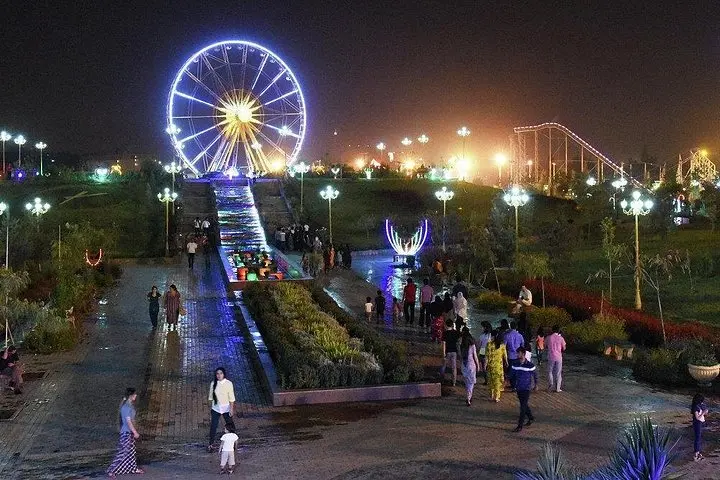
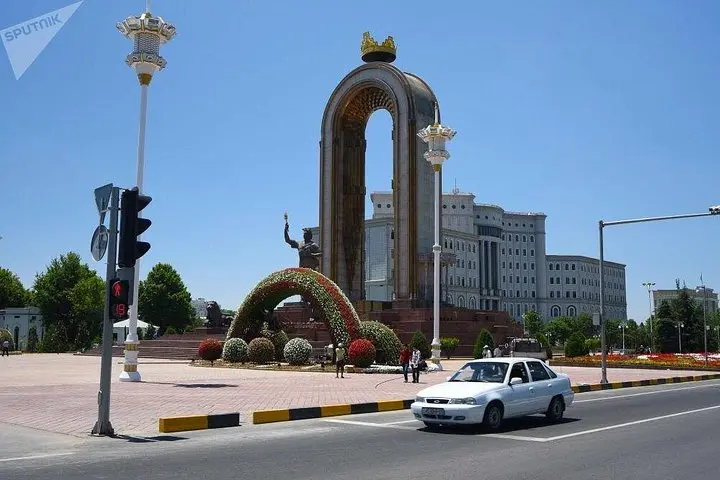
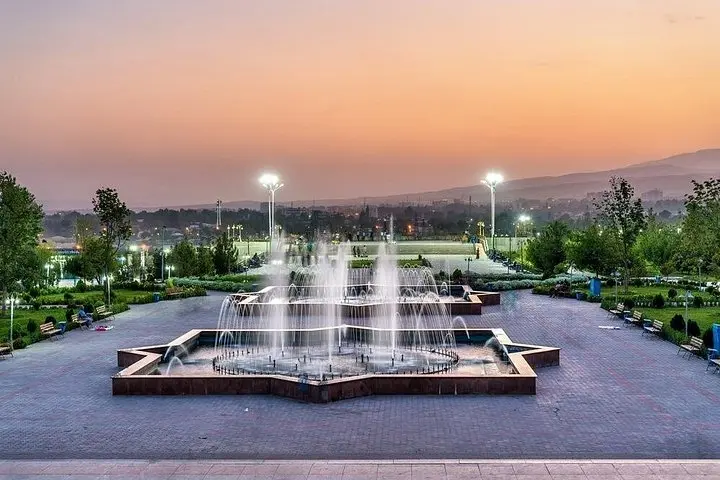
Expect cultural contrasts: Dushanbe’s national museums and grand monuments give way to shepherd camps, teahouses built in playful forms, and small guesthouses in Penjikent. Local food is hearty—plov, fresh bread, and mountain trout—and markets hum with dried fruits and walnuts.
Practical guidance: the route mixes easy village walks with full-day hikes that reach alpine meadows above 2,000–3,000 m. Acclimatize a day in Dushanbe or Penjikent, drink frequently, and adopt conservative pacing on passes. Summer brings long daylight and mosquitos in lower valleys; shoulder seasons are cooler and better for high trails. Guide-supported transport reduces logistics; bring layered clothing, waterproof footwear, and a basic first-aid kit for blisters and altitude headaches. With moderate fitness and respect for fragile alpine lakes and archaeological sites, this eight-day loop is both a cultural primer and a compact mountain trek.
Many nationalities require a visa; check current Tajikistan entry rules and obtain an e-visa or visa on arrival where applicable before travel.
You should be comfortable with full-day hikes (4–8 hours) and steady elevation gains; prior hiking experience greatly improves comfort and safety.
Some sections reach 2,000–3,500 m—carry fluids, ascend slowly, and inform your guide if you feel headache, dizziness, or nausea; descent is the primary treatment.
Trip details list accommodation, most meals (breakfast, lunch, dinner), local transport, and guided visits; check the booking page for exact inclusions and single-supplement details.
Bunyod-Tour operates guided outdoor trips and adventures with an emphasis on safety, stewardship, and memorable experiences.
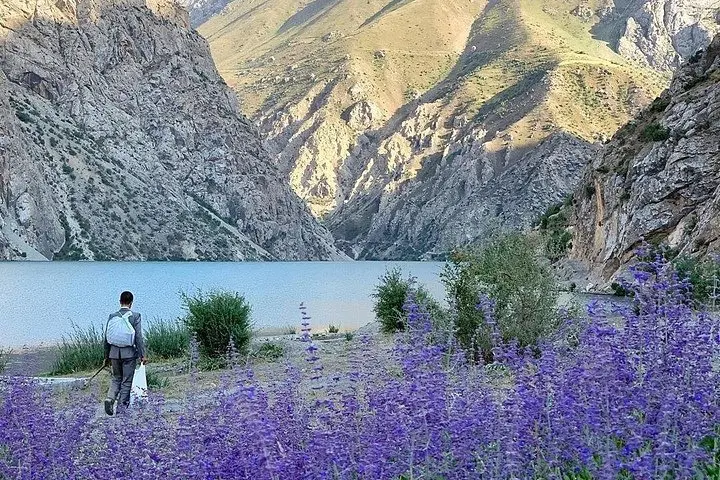
A low, clear light falls across the Fan Mountains as your minivan winds up from Dushanbe—rocky spines rise, and a chain of alpine lakes catches the morning. By the second day you’re standing at Haftkul’s multicolored basins, each pond a different mood, while farther east Iskanderkul’s deep blue sits beneath glaciated ridgelines that dare you to walk higher.
A low, clear light falls across the Fan Mountains as your minivan winds up from Dushanbe—rocky spines rise, and a chain of alpine lakes catches the morning. By the second day you’re standing at Haftkul’s multicolored basins, each pond a different mood, while farther east Iskanderkul’s deep blue sits beneath glaciated ridgelines that dare you to walk higher.
This itinerary threads archaeology and alpine geology: Sarazm’s 4th-millennium BCE terraces recall early Silk Road exchanges, Rudaki’s museum traces the birth of classical Persian verse, and Iskanderkul—scientifically a rock-fall-dammed lake—frames myths about Alexander the Great. In the Fann range, peaks often top 4,000–5,000 m (Chimtarga reaches 5,489 m), carved from ancient metamorphic rock and shaped by Pleistocene glaciers.
Expect cultural contrasts: Dushanbe’s national museums and grand monuments give way to shepherd camps, teahouses built in playful forms, and small guesthouses in Penjikent. Local food is hearty—plov, fresh bread, and mountain trout—and markets hum with dried fruits and walnuts.
Practical guidance: the route mixes easy village walks with full-day hikes that reach alpine meadows above 2,000–3,000 m. Acclimatize a day in Dushanbe or Penjikent, drink frequently, and adopt conservative pacing on passes. Summer brings long daylight and mosquitos in lower valleys; shoulder seasons are cooler and better for high trails. Guide-supported transport reduces logistics; bring layered clothing, waterproof footwear, and a basic first-aid kit for blisters and altitude headaches. With moderate fitness and respect for fragile alpine lakes and archaeological sites, this eight-day loop is both a cultural primer and a compact mountain trek.