THE ADVENTURE COLLECTIVE® · Independent discovery and booking for outdoor travel

A 12-day journey that threads UNESCO antiquity with high-Pamir wilderness — from the Bronze Age ruins of Sarazm to the dramatic shores of Sarez Lake. Expect long drives, high passes and village stays framed by mountain glaciers.
A 12-day journey that threads UNESCO antiquity with high-Pamir wilderness — from the Bronze Age ruins of Sarazm to the dramatic shores of Sarez Lake. Expect long drives, high passes and village stays framed by mountain glaciers.
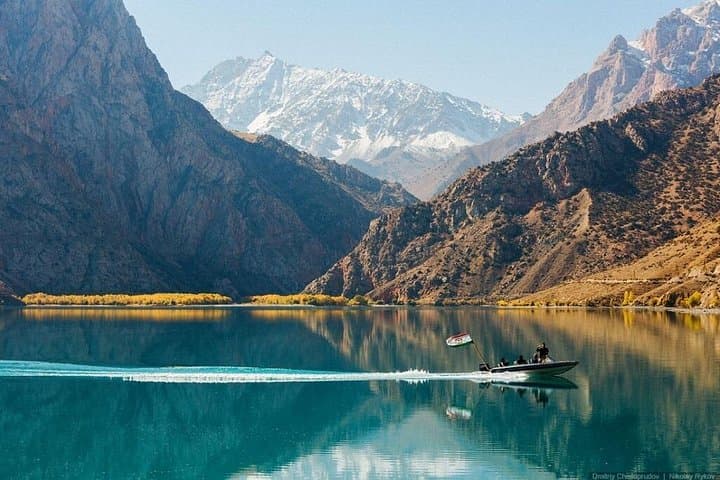
Morning light often arrives first on the Pamir ridges, turning rock faces into a page of ochre and silver as vehicles climb away from Dushanbe. This 12-day circuit moves from the lowland bazaars and state monuments of the capital into archaeology-strewn valleys, then up into the raw geometry of the high Pamirs where Sarez Lake sits like a long, blue wound in the mountains.
Verified experiences and guided adventures in the surrounding area.
Operated by Bunyod-Tour · Dushanbe, Dushanbe
Morning light often arrives first on the Pamir ridges, turning rock faces into a page of ochre and silver as vehicles climb away from Dushanbe. This 12-day circuit moves from the lowland bazaars and state monuments of the capital into archaeology-strewn valleys, then up into the raw geometry of the high Pamirs where Sarez Lake sits like a long, blue wound in the mountains.
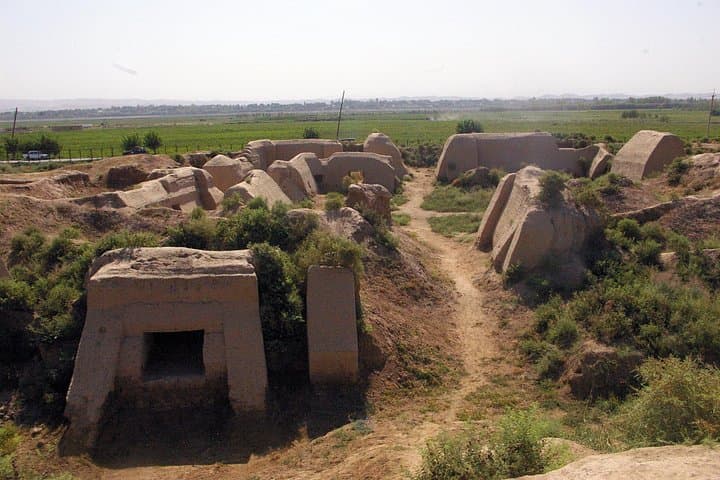
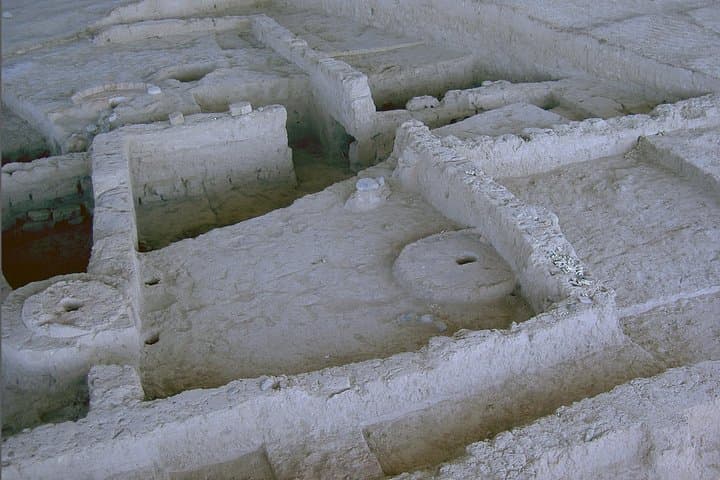
Sarazm, a UNESCO-listed site west of Penjikent, is where Bronze Age streets and workshops still speak of early urban life along the Zeravshan. Travel east and the landscape changes fast: river gorges give way to high plateaus, medieval mausoleums and ajina-teppe’s 12-meter reclining Buddha point to the region’s role as a crossroads of faith and empire. Sarez Lake itself was created in 1911 by a catastrophic landslide that dammed the Murghab; its natural dam and the surrounding glaciers (including views toward the Fedchenko) make this area a study in active geology.
Expect a mix of paved and unpaved transit, short hikes above lakeshores at 3,500 m, and multiple overnight stops in simple hotels and village hostels. Local culture is visible in every market and mausoleum; drivers and guides handle logistics, but the terrain takes time — long drives, high passes, and abrupt weather swings. Practical prep matters: layered clothing for cold evenings, sun protection at altitude, and an attention to hydration and pacing. With solid footwear and patience, the route rewards with archaeological depth and mountain scale rarely combined in a single trip.
Visa requirements depend on your nationality; check Tajikistan’s official visa rules in advance and confirm whether your entry point (Dushanbe or via Uzbekistan border) requires additional paperwork.
Most walking is moderate: shore-side routes and short ascents; trails can be steep and rocky but are not technical—good footwear and steady footing are required.
Symptoms are possible above 2,500–3,000 m; pacing, hydration, and avoiding rapid ascents help; inform your guide if you have respiratory or cardiac conditions.
Yes — expect a mix of standard hotels in cities and simpler guesthouses or hostels in highland villages; bring essential toiletries and any personal meds.
Bunyod-Tour operates guided outdoor trips and adventures with an emphasis on safety, stewardship, and memorable experiences.
Morning light often arrives first on the Pamir ridges, turning rock faces into a page of ochre and silver as vehicles climb away from Dushanbe. This 12-day circuit moves from the lowland bazaars and state monuments of the capital into archaeology-strewn valleys, then up into the raw geometry of the high Pamirs where Sarez Lake sits like a long, blue wound in the mountains.
Morning light often arrives first on the Pamir ridges, turning rock faces into a page of ochre and silver as vehicles climb away from Dushanbe. This 12-day circuit moves from the lowland bazaars and state monuments of the capital into archaeology-strewn valleys, then up into the raw geometry of the high Pamirs where Sarez Lake sits like a long, blue wound in the mountains.
Sarazm, a UNESCO-listed site west of Penjikent, is where Bronze Age streets and workshops still speak of early urban life along the Zeravshan. Travel east and the landscape changes fast: river gorges give way to high plateaus, medieval mausoleums and ajina-teppe’s 12-meter reclining Buddha point to the region’s role as a crossroads of faith and empire. Sarez Lake itself was created in 1911 by a catastrophic landslide that dammed the Murghab; its natural dam and the surrounding glaciers (including views toward the Fedchenko) make this area a study in active geology.
Expect a mix of paved and unpaved transit, short hikes above lakeshores at 3,500 m, and multiple overnight stops in simple hotels and village hostels. Local culture is visible in every market and mausoleum; drivers and guides handle logistics, but the terrain takes time — long drives, high passes, and abrupt weather swings. Practical prep matters: layered clothing for cold evenings, sun protection at altitude, and an attention to hydration and pacing. With solid footwear and patience, the route rewards with archaeological depth and mountain scale rarely combined in a single trip.