THE ADVENTURE COLLECTIVE® · Independent discovery and booking for outdoor travel

Three days across southeastern Turkey take you from the colossal heads of Mount Nemrut to the world-shifting pillars of Göbekli Tepe. Expect sunrise climbs, long drives between ancient sites, and a condensed primer on Commagene, Roman, and Neolithic history.
Three days across southeastern Turkey take you from the colossal heads of Mount Nemrut to the world-shifting pillars of Göbekli Tepe. Expect sunrise climbs, long drives between ancient sites, and a condensed primer on Commagene, Roman, and Neolithic history.
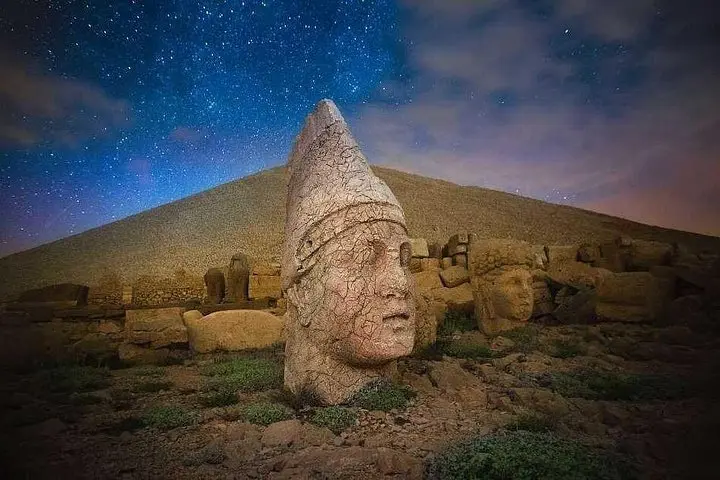
Dawn slices across the high plateau and the stone heads of Mount Nemrut stare back like weathered sentinels—big, bald profiles caught between sky and horizon. You climb a short, rocky ridge in the cool air and the statues’ broken gazes dominate the panorama; valleys roll away, dotted with cultivated fields and distant foothills. The sound of wind is constant, urging you forward.
Verified experiences and guided adventures in the surrounding area.
Operated by Goodman Tours · Adiyaman, Adiyaman Province
Dawn slices across the high plateau and the stone heads of Mount Nemrut stare back like weathered sentinels—big, bald profiles caught between sky and horizon. You climb a short, rocky ridge in the cool air and the statues’ broken gazes dominate the panorama; valleys roll away, dotted with cultivated fields and distant foothills. The sound of wind is constant, urging you forward.
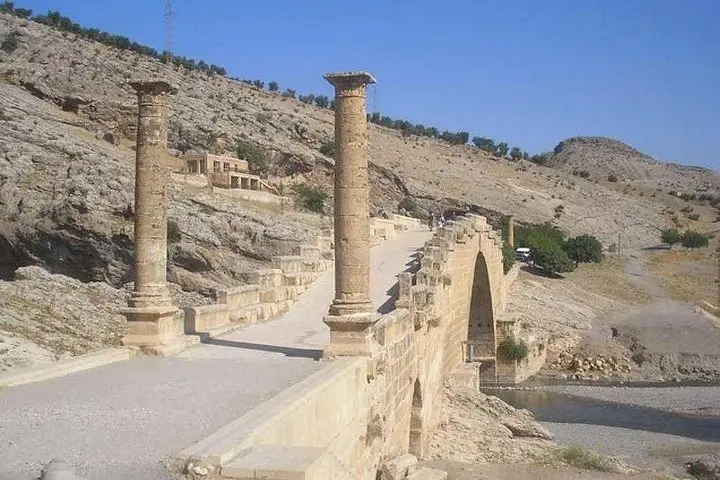
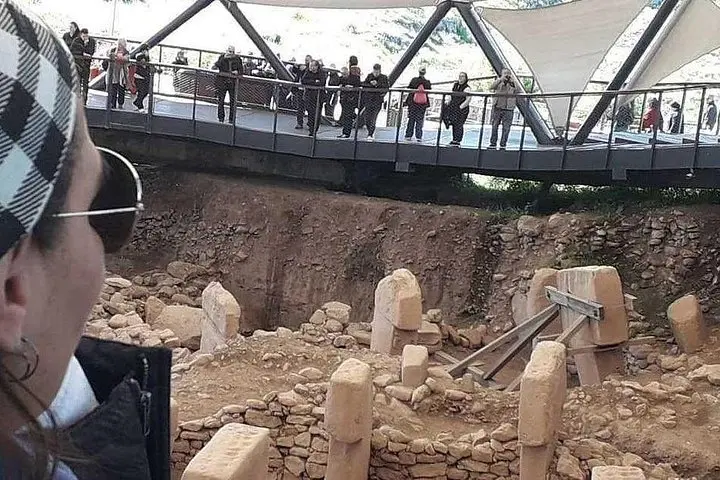
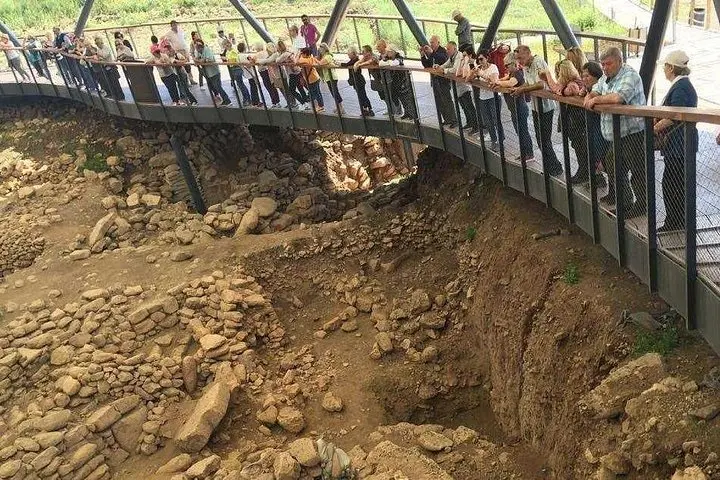
This three-day loop threads important chapters of southeastern Turkey’s past. Mount Nemrut is a late Hellenistic funerary sanctuary built by King Antiochus I of Commagene in the 1st century BC; its colossal statues—originally seated gods and royal figures—have their heads scattered from earthquakes and time. Göbekli Tepe, near Şanlıurfa, flips the timeline farther back: monumental T-shaped pillars and carved reliefs date to around 10,000 BC, pushing the origins of monumental architecture into the Neolithic. Along the way you pass Roman bridges, Commagene tumuli, and the beehive houses of Harran—each site a different kind of stone history.
Practicalities shape the rhythm: expect long drives between sites, short uphill walks to viewpoints, and cold conditions at Nemrut’s summit at dawn. Bring layered clothing, a headlamp or early-morning flashlight for sunrise hikes, and sturdy footwear for loose limestone and packed earth trails. Respect restricted zones at archaeological sites; follow guides’ routes and keep water handy—facilities are intermittent. With private transport and licensed guides included, the tour is a compact, culturally rich way to experience Turkey’s eastern crossroads—bringing archaeology, landscape, and local life into three active days.
Both sites require short uphill walks—Nemrut involves a rocky ascent to sunrise viewpoints; Göbekli Tepe’s trails are flat but uneven; overall effort is moderate.
This tour includes admission fees and private transportation, as well as two nights’ accommodation and most meals per the itinerary.
Spring and autumn offer mild temperatures and clearer skies; summer is hot during daytime drives but good for early-morning summit views; winter can be snowy and cold.
The overall tour is suitable for most ages, but summit approaches and uneven terrain may be difficult for limited-mobility guests—check with the operator about alternatives.
Goodman Tours operates guided outdoor trips and adventures with an emphasis on safety, stewardship, and memorable experiences.
Dawn slices across the high plateau and the stone heads of Mount Nemrut stare back like weathered sentinels—big, bald profiles caught between sky and horizon. You climb a short, rocky ridge in the cool air and the statues’ broken gazes dominate the panorama; valleys roll away, dotted with cultivated fields and distant foothills. The sound of wind is constant, urging you forward.
Dawn slices across the high plateau and the stone heads of Mount Nemrut stare back like weathered sentinels—big, bald profiles caught between sky and horizon. You climb a short, rocky ridge in the cool air and the statues’ broken gazes dominate the panorama; valleys roll away, dotted with cultivated fields and distant foothills. The sound of wind is constant, urging you forward.
This three-day loop threads important chapters of southeastern Turkey’s past. Mount Nemrut is a late Hellenistic funerary sanctuary built by King Antiochus I of Commagene in the 1st century BC; its colossal statues—originally seated gods and royal figures—have their heads scattered from earthquakes and time. Göbekli Tepe, near Şanlıurfa, flips the timeline farther back: monumental T-shaped pillars and carved reliefs date to around 10,000 BC, pushing the origins of monumental architecture into the Neolithic. Along the way you pass Roman bridges, Commagene tumuli, and the beehive houses of Harran—each site a different kind of stone history.
Practicalities shape the rhythm: expect long drives between sites, short uphill walks to viewpoints, and cold conditions at Nemrut’s summit at dawn. Bring layered clothing, a headlamp or early-morning flashlight for sunrise hikes, and sturdy footwear for loose limestone and packed earth trails. Respect restricted zones at archaeological sites; follow guides’ routes and keep water handy—facilities are intermittent. With private transport and licensed guides included, the tour is a compact, culturally rich way to experience Turkey’s eastern crossroads—bringing archaeology, landscape, and local life into three active days.