THE ADVENTURE COLLECTIVE® · Independent discovery and booking for outdoor travel

A gentle full-day hike from Pokhara that threads rice terraces, rivers and small mountain villages with framed views of the Annapurna range. Ideal for nature lovers who want a cultural walk with minimal elevation gain and maximum local character.
A gentle full-day hike from Pokhara that threads rice terraces, rivers and small mountain villages with framed views of the Annapurna range. Ideal for nature lovers who want a cultural walk with minimal elevation gain and maximum local character.
You step out from Lakeside when the light is still soft and the lake pushes a cool ribbon of air up the valley. The trail climbs gently through rice paddies and villages, each bend opening a new angle on the Annapurna range — sharp ridgelines capped in snow, terraces that seem to climb the hills like stairways for the sky.
Verified experiences and guided adventures in the surrounding area.
Operated by Swami Narayan Travels Pvt Ltd · Pokhara, Gandaki Province
You step out from Lakeside when the light is still soft and the lake pushes a cool ribbon of air up the valley. The trail climbs gently through rice paddies and villages, each bend opening a new angle on the Annapurna range — sharp ridgelines capped in snow, terraces that seem to climb the hills like stairways for the sky.
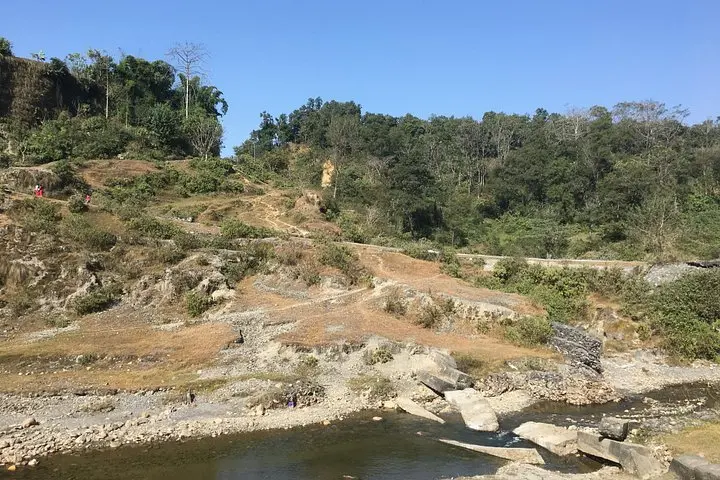
This route follows a segment of the local 'Royal Trek' network, a low-elevation cultural walk that links Gurung and Magar hamlets. Geologically the foothills are made of layered sediment and softer schist, carved by seasonal streams that daringly rearrange the fields each monsoon. Along the way you pass wooden houses, small temples, and river crossings where freshwater fish sometimes flutter in shallow pools.
Locals still farm by hand and tea-houses serve simple dal bhat and sweet milk tea; conversations are as likely to include rice-planting techniques as tales of mountain expeditions. The hike is as much a cultural exchange as a scenic walk — expect friendly curiosity and a slow, human rhythm.
Practical guidance: the day is easy but uneven — comfortable shoes and a light daypack are essential. Start early for the best mountain visibility and to avoid midday heat or afternoon monsoon showers. Bring water, modest cash for village purchases, and a camera with extra battery. Allow 4–6 hours for the round trip with stops; most participants report little acclimatization needed at Pokhara's 800–900 m elevation. Respect private land, stay on marked paths, and pack out any trash to protect these working landscapes.
Yes — it is classified as easy with gentle climbs and no technical sections; basic stamina for a 4–6 hour outing is sufficient.
Pick-up and drop-off from Lakeside Pokhara is included; confirm your hotel location when booking.
No special trekking permits are required for day walks around Pokhara valley; normal park permits apply only for high Annapurna treks.
Fall (Sept–Nov) and spring (Mar–May) generally offer the clearest visibility; mornings are typically best any time of year.
Swami Narayan Travels Pvt Ltd operates guided outdoor trips and adventures with an emphasis on safety, stewardship, and memorable experiences.
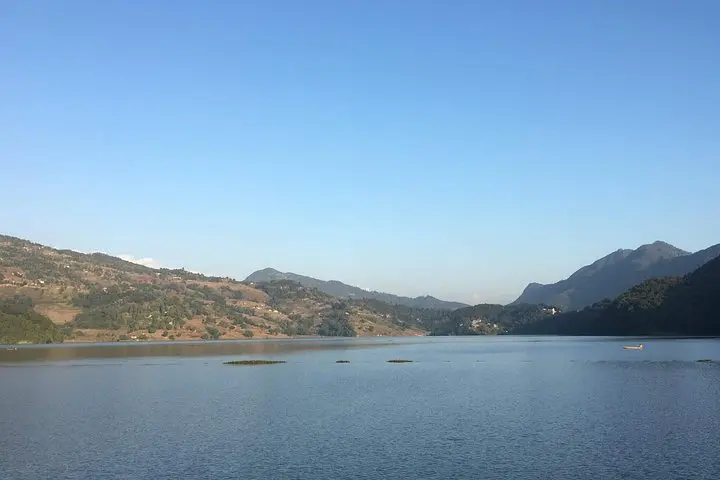
You step out from Lakeside when the light is still soft and the lake pushes a cool ribbon of air up the valley. The trail climbs gently through rice paddies and villages, each bend opening a new angle on the Annapurna range — sharp ridgelines capped in snow, terraces that seem to climb the hills like stairways for the sky.
You step out from Lakeside when the light is still soft and the lake pushes a cool ribbon of air up the valley. The trail climbs gently through rice paddies and villages, each bend opening a new angle on the Annapurna range — sharp ridgelines capped in snow, terraces that seem to climb the hills like stairways for the sky.
This route follows a segment of the local 'Royal Trek' network, a low-elevation cultural walk that links Gurung and Magar hamlets. Geologically the foothills are made of layered sediment and softer schist, carved by seasonal streams that daringly rearrange the fields each monsoon. Along the way you pass wooden houses, small temples, and river crossings where freshwater fish sometimes flutter in shallow pools.
Locals still farm by hand and tea-houses serve simple dal bhat and sweet milk tea; conversations are as likely to include rice-planting techniques as tales of mountain expeditions. The hike is as much a cultural exchange as a scenic walk — expect friendly curiosity and a slow, human rhythm.
Practical guidance: the day is easy but uneven — comfortable shoes and a light daypack are essential. Start early for the best mountain visibility and to avoid midday heat or afternoon monsoon showers. Bring water, modest cash for village purchases, and a camera with extra battery. Allow 4–6 hours for the round trip with stops; most participants report little acclimatization needed at Pokhara's 800–900 m elevation. Respect private land, stay on marked paths, and pack out any trash to protect these working landscapes.