THE ADVENTURE COLLECTIVE® · Independent discovery and booking for outdoor travel

An after-dark walking tour through Marrakech’s medina sampling 5–8 traditional dishes. Taste tangia, harira, msemen and sweets while a local guide explains culinary traditions and where locals eat.
An after-dark walking tour through Marrakech’s medina sampling 5–8 traditional dishes. Taste tangia, harira, msemen and sweets while a local guide explains culinary traditions and where locals eat.
The call to prayer softens and the plaza lights ignite: you meet your guide at Café de France and step into a medina that hums louder at night. Narrow alleys open suddenly onto steamy stalls where smoke and spice push through the air, and the city’s flavor—both literal and cultural—takes the lead.
Verified experiences and guided adventures in the surrounding area.
Operated by Next Stop Morocco · Marrakech, Marrakesh-Safi
The call to prayer softens and the plaza lights ignite: you meet your guide at Café de France and step into a medina that hums louder at night. Narrow alleys open suddenly onto steamy stalls where smoke and spice push through the air, and the city’s flavor—both literal and cultural—takes the lead.
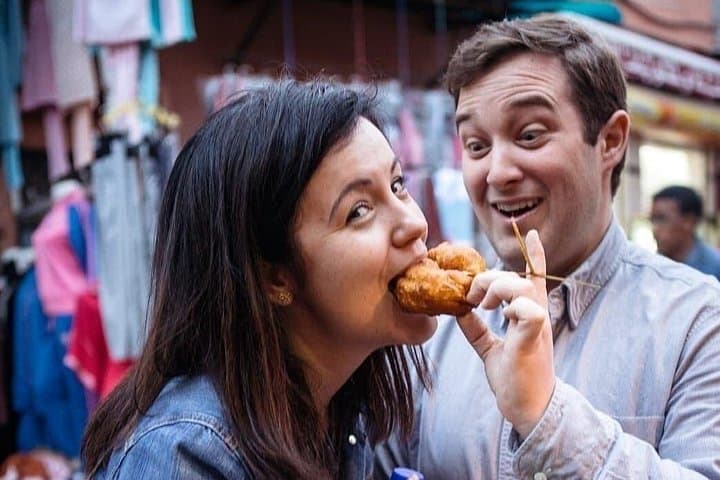
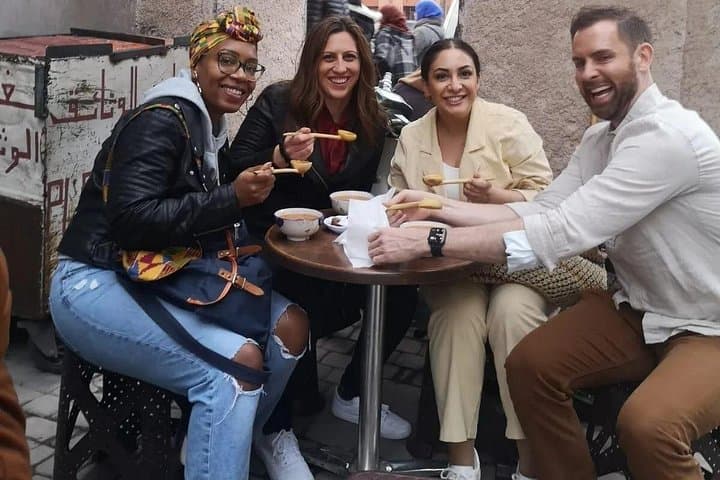
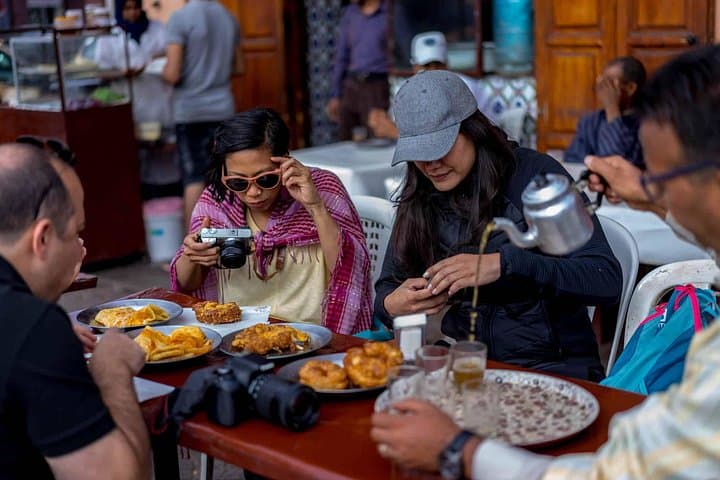
This is Marrakech’s living culinary history. Jemaa el-Fnaa has been a marketplace for merchants and storytellers for centuries, and the food scene blends Berber, Arab, Andalusian and French influences. Expect savory stews like tangia, soup-sellers ladling harira, and flaky msemen alongside sweet chebakia—each dish speaking to recipes passed down through generations.
Geology and urban layout shape the experience too: the medina’s compact stone lanes hold heat and scent, while plazas provide open breathing room. Local insights from your guide will point out vendor specializations, seasonal ingredients, and how timing—post-sunset crowds—affects what’s freshly cooked.
Practically, this is a walking food tour of about four hours with 5–8 tastings. Wear comfortable shoes for uneven cobbles, bring small bills for purchases not covered by the tour, and pace yourself between rich stews and sugary pastries. Hydrate: bottled water is typically provided, but carry a refillable bottle for the walk.
If you go with curiosity and basic food precautions—ask about ingredients and allergies—you’ll leave with a clearer sense of Marrakech’s culinary heart, a fuller stomach, and an understanding of how the city’s streets come alive after dark.
Declare allergies and dietary needs when booking; guides can request alternatives, but the tour includes many meat-based items and may not be suitable for strict vegans.
The tour typically starts at Café de France near Jemaa el-Fnaa at 18:30 and lasts about four hours with 5–8 tastings.
Some routes and meeting points are wheelchair and stroller accessible, but narrow alleys and crowds can be challenging—contact the operator to confirm accessibility arrangements.
Tipping guides is customary for good service; vendors generally don’t expect tips beyond small gestures, but it’s appreciated for exceptional service.
Next Stop Morocco operates guided outdoor trips and adventures with an emphasis on safety, stewardship, and memorable experiences.

The call to prayer softens and the plaza lights ignite: you meet your guide at Café de France and step into a medina that hums louder at night. Narrow alleys open suddenly onto steamy stalls where smoke and spice push through the air, and the city’s flavor—both literal and cultural—takes the lead.
The call to prayer softens and the plaza lights ignite: you meet your guide at Café de France and step into a medina that hums louder at night. Narrow alleys open suddenly onto steamy stalls where smoke and spice push through the air, and the city’s flavor—both literal and cultural—takes the lead.
This is Marrakech’s living culinary history. Jemaa el-Fnaa has been a marketplace for merchants and storytellers for centuries, and the food scene blends Berber, Arab, Andalusian and French influences. Expect savory stews like tangia, soup-sellers ladling harira, and flaky msemen alongside sweet chebakia—each dish speaking to recipes passed down through generations.
Geology and urban layout shape the experience too: the medina’s compact stone lanes hold heat and scent, while plazas provide open breathing room. Local insights from your guide will point out vendor specializations, seasonal ingredients, and how timing—post-sunset crowds—affects what’s freshly cooked.
Practically, this is a walking food tour of about four hours with 5–8 tastings. Wear comfortable shoes for uneven cobbles, bring small bills for purchases not covered by the tour, and pace yourself between rich stews and sugary pastries. Hydrate: bottled water is typically provided, but carry a refillable bottle for the walk.
If you go with curiosity and basic food precautions—ask about ingredients and allergies—you’ll leave with a clearer sense of Marrakech’s culinary heart, a fuller stomach, and an understanding of how the city’s streets come alive after dark.