THE ADVENTURE COLLECTIVE® · Independent discovery and booking for outdoor travel

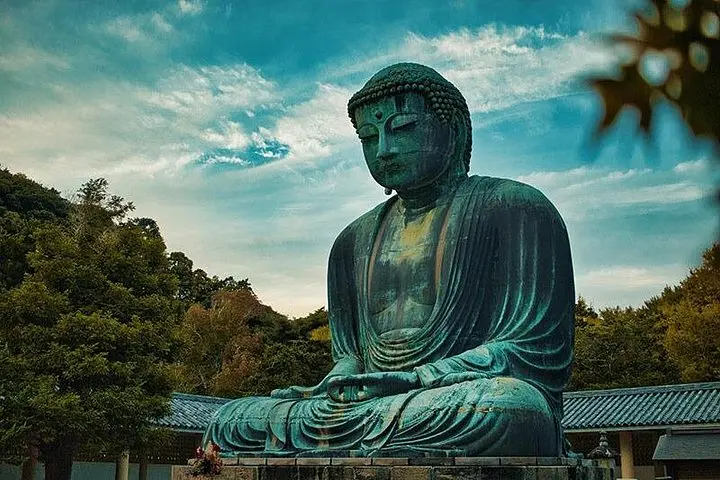
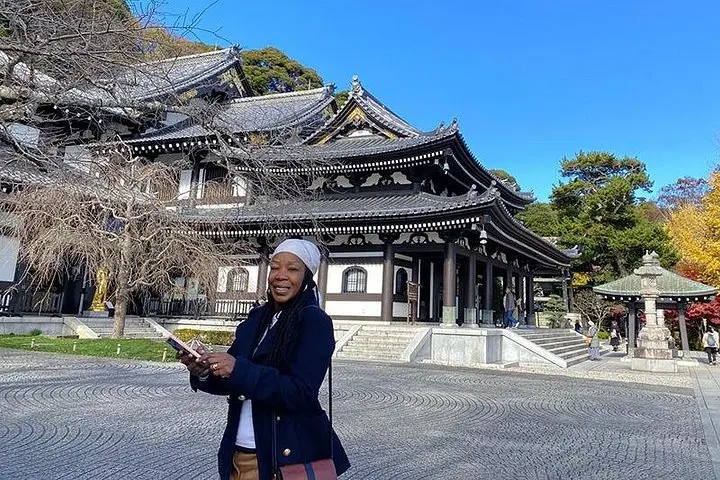
Explore Kamakura on foot with a local guide, sampling street food and visiting iconic temples like the Great Buddha and Tsurugaoka Hachimangu. This private, four-hour tour blends culinary stops with cultural insights—ideal for travelers who want context with their cuisine.
Explore Kamakura on foot with a local guide, sampling street food and visiting iconic temples like the Great Buddha and Tsurugaoka Hachimangu. This private, four-hour tour blends culinary stops with cultural insights—ideal for travelers who want context with their cuisine.
A salt-tinged breeze from Sagami Bay brushes your face as you step off the station and into Kamakura’s narrow lanes. Shopfronts hum with the low chatter of vendors; the scent of grilled fish and soy drifts under the shadow of temple eaves. This four-hour private walking tour threads coastal viewpoints, shrine gates, and food stalls—an intimate way to taste Kamakura’s layered character.
Verified experiences and guided adventures in the surrounding area.
Operated by JewelTours.Japan · Kamakura, Kanagawa
A salt-tinged breeze from Sagami Bay brushes your face as you step off the station and into Kamakura’s narrow lanes. Shopfronts hum with the low chatter of vendors; the scent of grilled fish and soy drifts under the shadow of temple eaves. This four-hour private walking tour threads coastal viewpoints, shrine gates, and food stalls—an intimate way to taste Kamakura’s layered character.
Kamakura rose to prominence as Japan’s political center in the late 12th century, leaving a concentration of temples and shrines—Hachimangu, the Great Buddha, and ancient Zen monasteries—that still shape the townscape. Geologically, Kamakura sits on the southern edge of the Miura Peninsula: low coastal hills formed by uplifting and marine terraces create short climbs and stair-bound temple approaches, with the ocean visible from several vantage points.
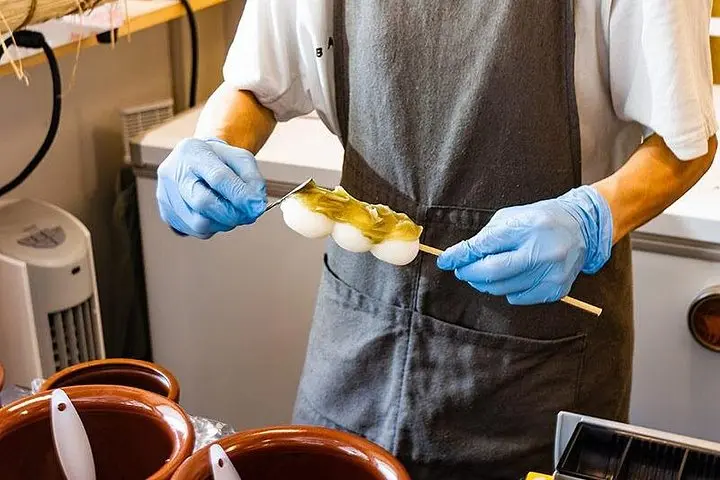
Culturally the town blends pilgrimage rhythms with seaside leisure. Your guide points out local specialties—shirasu, yaki-miso, sweet manju—and explains temple etiquette and seasonal customs while navigating Komachi-dori’s lively stalls. Expect steady walking on paved streets, some stone steps, and frequent stops to sample dishes and historical sites.
Practical guidance: book morning slots to avoid afternoon crowds and heat; carry cash for small vendors; wear comfortable walking shoes with good traction for temple steps; bring a lightweight rain layer in spring and autumn. The route is accessible to most fitness levels and can be tailored—opt for extra shrine time, or more street-food sampling. With an expert local guide the tour becomes both a tasting menu and a compact cultural primer on Kamakura’s coastal past and present.
Most tours meet near Kamakura Station; the station is on the JR Yokosuka and Enoden lines with frequent service from Tokyo and Yokohama—your guide will confirm an exact meeting point.
Yes—guides can tailor the food sampling to vegetarian, gluten-sensitive, or other common dietary needs if informed in advance.
Kamakura’s main streets and some temple grounds are accessible, but several temples have stone steps; advise guides of mobility needs so they can plan the most accessible route.
Many small stalls are cash-only—carry yen for purchases under ¥1,000–¥2,000, though larger cafes and restaurants may accept cards.
JewelTours.Japan operates guided outdoor trips and adventures with an emphasis on safety, stewardship, and memorable experiences.

A salt-tinged breeze from Sagami Bay brushes your face as you step off the station and into Kamakura’s narrow lanes. Shopfronts hum with the low chatter of vendors; the scent of grilled fish and soy drifts under the shadow of temple eaves. This four-hour private walking tour threads coastal viewpoints, shrine gates, and food stalls—an intimate way to taste Kamakura’s layered character.
A salt-tinged breeze from Sagami Bay brushes your face as you step off the station and into Kamakura’s narrow lanes. Shopfronts hum with the low chatter of vendors; the scent of grilled fish and soy drifts under the shadow of temple eaves. This four-hour private walking tour threads coastal viewpoints, shrine gates, and food stalls—an intimate way to taste Kamakura’s layered character.
Kamakura rose to prominence as Japan’s political center in the late 12th century, leaving a concentration of temples and shrines—Hachimangu, the Great Buddha, and ancient Zen monasteries—that still shape the townscape. Geologically, Kamakura sits on the southern edge of the Miura Peninsula: low coastal hills formed by uplifting and marine terraces create short climbs and stair-bound temple approaches, with the ocean visible from several vantage points.
Culturally the town blends pilgrimage rhythms with seaside leisure. Your guide points out local specialties—shirasu, yaki-miso, sweet manju—and explains temple etiquette and seasonal customs while navigating Komachi-dori’s lively stalls. Expect steady walking on paved streets, some stone steps, and frequent stops to sample dishes and historical sites.
Practical guidance: book morning slots to avoid afternoon crowds and heat; carry cash for small vendors; wear comfortable walking shoes with good traction for temple steps; bring a lightweight rain layer in spring and autumn. The route is accessible to most fitness levels and can be tailored—opt for extra shrine time, or more street-food sampling. With an expert local guide the tour becomes both a tasting menu and a compact cultural primer on Kamakura’s coastal past and present.