THE ADVENTURE COLLECTIVE® · Independent discovery and booking for outdoor travel

Walk Sarajevo’s historic core on a four-hour cultural tour that pairs Ottoman lanes with Austro-Hungarian architecture and local tastings. Experience religious sites, coffee rituals, and authentic burek while learning the city’s layered history.
Walk Sarajevo’s historic core on a four-hour cultural tour that pairs Ottoman lanes with Austro-Hungarian architecture and local tastings. Experience religious sites, coffee rituals, and authentic burek while learning the city’s layered history.
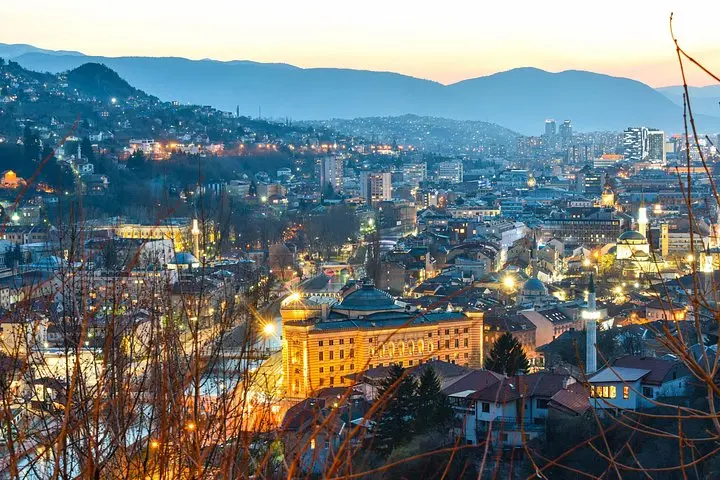
You step off a narrow street and the city opens: the Miljacka threads silver through low stone bridges, minaret shadows stretch across cobbles, and the scent of fresh baklava and strong coffee rises from a courtyard café.
Verified experiences and guided adventures in the surrounding area.
Operated by Insider Ltd · Sarajevo, Federation of Bosnia and Herzegovina
You step off a narrow street and the city opens: the Miljacka threads silver through low stone bridges, minaret shadows stretch across cobbles, and the scent of fresh baklava and strong coffee rises from a courtyard café.
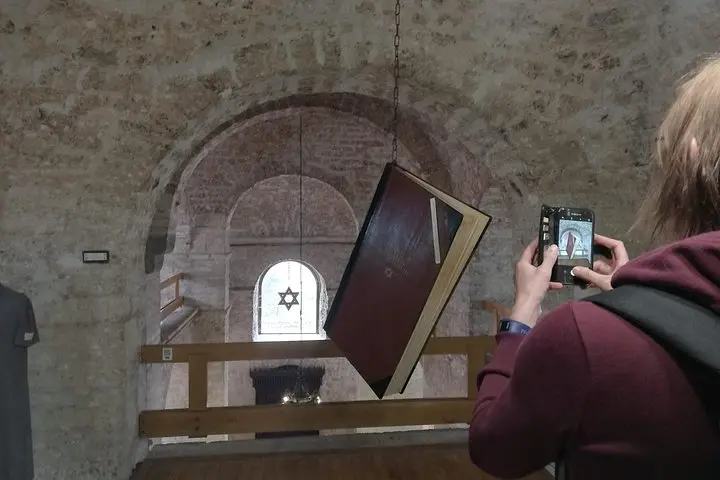
This four-hour walking tour moves at a local pace—through Baščaršija’s Ottoman alleys, past Austro-Hungarian façades, and into living places of worship where voices fold into everyday life. Guides point out the wooden Sebilj fountain, the oldest mosque, a neo-Moorish library, and a synagogue whose stones remember trade routes and cultural crossroads.
Sarajevo’s story is layered: Ottoman streets carved into a valley, later stitched with Austro-Hungarian boulevards, and scarred by 20th-century conflict. The geology of the region—karst hills and the Miljacka’s narrow valley—shaped settlement and viewlines, concentrating history into walkable quarters.
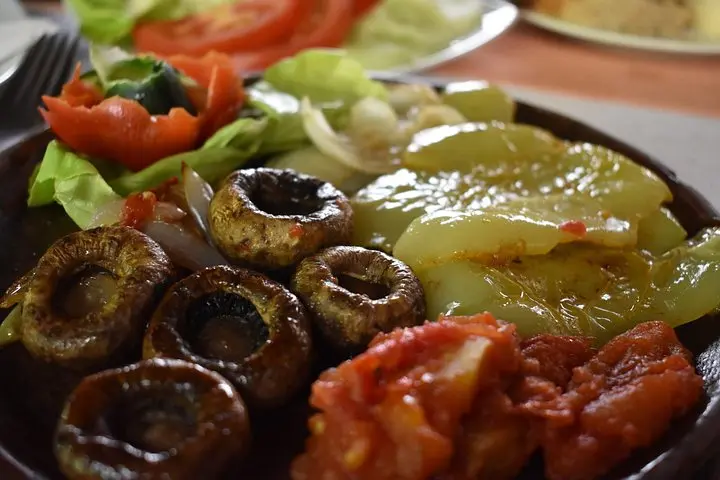
Expect cobblestones, short flights of steps, and pockets of shade; the route includes religious sites where modest dress and quiet are required. Sampling is built in: Bosnian coffee with baklava and several styles of burek reveal culinary influences from East and West.
Practical notes: wear sturdy, comfortable shoes and bring a light rain layer in shoulder seasons. The tour is suitable for most fitness levels and wheelchair accessible on primary segments, but ask ahead about curb and step details. Carry small local currency for purchases and tips; cameras are welcome but be respectful in places of worship. Start in the morning to catch cooler air and livelier markets—this is a city that invites conversation, not rushing, so follow the guide and let the streets tell their history.
The tour lasts about four hours and covers roughly 2–4 miles (3–6 km) at a relaxed pace with frequent stops for tasting and visits.
The tour is family-friendly and marked as wheelchair accessible for main segments, but some streets have steps and uneven cobbles—contact the operator for specific mobility requirements.
Yes—tastings such as Bosnian coffee with baklava and several styles of burek are included as part of the experience.
Guides typically speak English and may speak additional languages; check booking details or ask ahead to confirm language needs.
Insider Ltd operates guided outdoor trips and adventures with an emphasis on safety, stewardship, and memorable experiences.
You step off a narrow street and the city opens: the Miljacka threads silver through low stone bridges, minaret shadows stretch across cobbles, and the scent of fresh baklava and strong coffee rises from a courtyard café.
You step off a narrow street and the city opens: the Miljacka threads silver through low stone bridges, minaret shadows stretch across cobbles, and the scent of fresh baklava and strong coffee rises from a courtyard café.
This four-hour walking tour moves at a local pace—through Baščaršija’s Ottoman alleys, past Austro-Hungarian façades, and into living places of worship where voices fold into everyday life. Guides point out the wooden Sebilj fountain, the oldest mosque, a neo-Moorish library, and a synagogue whose stones remember trade routes and cultural crossroads.
Sarajevo’s story is layered: Ottoman streets carved into a valley, later stitched with Austro-Hungarian boulevards, and scarred by 20th-century conflict. The geology of the region—karst hills and the Miljacka’s narrow valley—shaped settlement and viewlines, concentrating history into walkable quarters.
Expect cobblestones, short flights of steps, and pockets of shade; the route includes religious sites where modest dress and quiet are required. Sampling is built in: Bosnian coffee with baklava and several styles of burek reveal culinary influences from East and West.
Practical notes: wear sturdy, comfortable shoes and bring a light rain layer in shoulder seasons. The tour is suitable for most fitness levels and wheelchair accessible on primary segments, but ask ahead about curb and step details. Carry small local currency for purchases and tips; cameras are welcome but be respectful in places of worship. Start in the morning to catch cooler air and livelier markets—this is a city that invites conversation, not rushing, so follow the guide and let the streets tell their history.