THE ADVENTURE COLLECTIVE® · Independent discovery and booking for outdoor travel

A full-day guided journey that pairs Kakum National Park’s canopy walk with the somber history of Elmina and Cape Coast Castles. Expect rainforest heights, coastal winds and deeply rooted historical storytelling.
A full-day guided journey that pairs Kakum National Park’s canopy walk with the somber history of Elmina and Cape Coast Castles. Expect rainforest heights, coastal winds and deeply rooted historical storytelling.
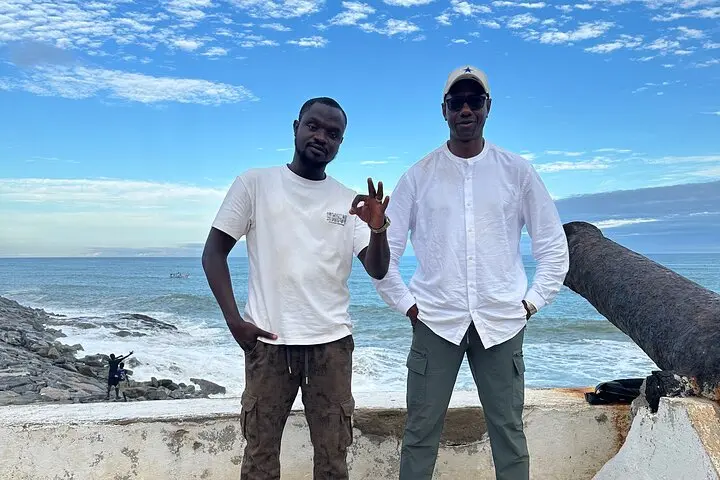
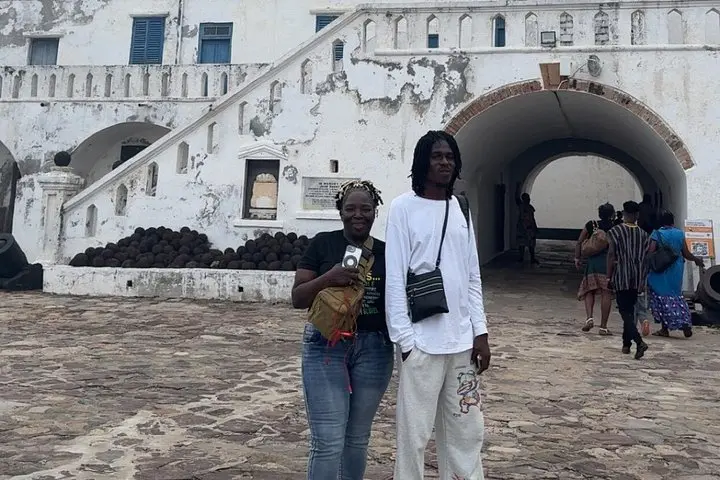
You step off the air-conditioned vehicle and the Atlantic wind pushes a trail of salt through the town—doors, boats and the stone face of a 17th-century fort meeting the same gust. The guide unfolds stories the way the coast unfolds rock: slowly, insistently. Over the day you move from the high green of Kakum National Park to the low, echoing dungeons of Elmina and Cape Coast castles; the landscape itself feels like a witness, sometimes quiet, sometimes pointing you to what was and what remains.
Verified experiences and guided adventures in the surrounding area.
Operated by Akwaaba Adventures · Cape Coast, Central Region
You step off the air-conditioned vehicle and the Atlantic wind pushes a trail of salt through the town—doors, boats and the stone face of a 17th-century fort meeting the same gust. The guide unfolds stories the way the coast unfolds rock: slowly, insistently. Over the day you move from the high green of Kakum National Park to the low, echoing dungeons of Elmina and Cape Coast castles; the landscape itself feels like a witness, sometimes quiet, sometimes pointing you to what was and what remains.
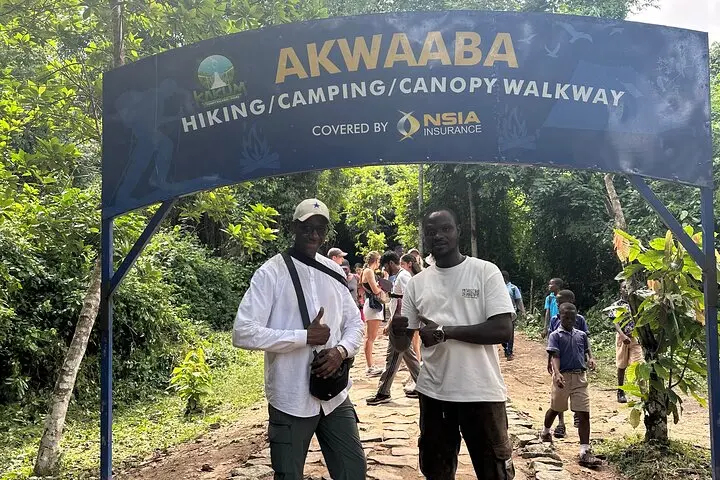
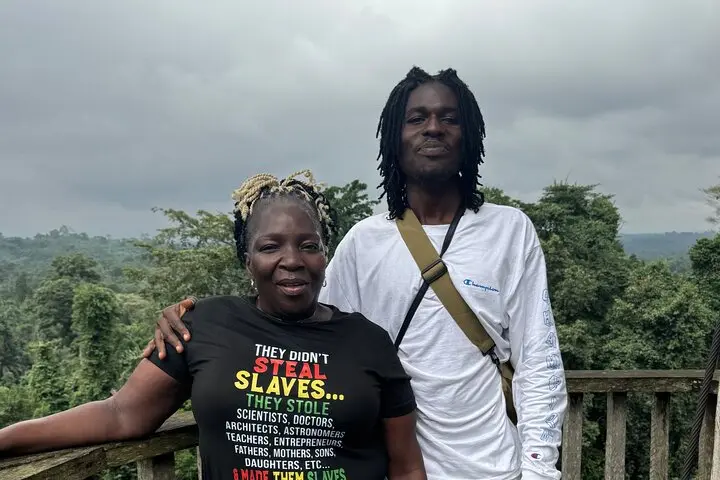
Kakum’s rainforest is a remnant of Ghana’s once-contiguous West African forest belt. The park’s suspended canopy walkway gives a rare overhead view of emergent trees, hornbills and the long, braided trails of lianas. The castles—Portuguese, Dutch, British—are architectural layers of European trade and its brutal mutation into slavery; Cape Coast Castle’s “Door of No Return” is a stark, historic threshold. Local fishing culture and Akan chieftaincies shape daily life around these sites, and cuisine—fried fish, cassava, plantain—anchors the human side of the coast.
Practicalities: expect a long day (11–15 hours), mostly easy walking but with uneven stone in forts and elevated wooden slats on the canopy bridge. Bring sun protection, insect repellent and a small pack for documents and water. Guides are typically local and bilingual; ask about respectful questions when tours enter museum spaces and shrines. Timing matters—arrive early at Kakum for cooler forest air and better bird activity; afternoons suit castle visits when light sharpens the walls. This is a heritage-centered adventure that balances environmental curiosity with hard-history reflection—be prepared to listen as much as you look.
Yes—most bookings include hotel pickup and drop-off using an air-conditioned vehicle; confirm your pickup point when you book.
Admission fees to Kakum and the castles are typically included in the tour price, but verify any optional activities that may cost extra.
The tour is family-friendly, but the canopy walkway and castle steps may be challenging for those with mobility limitations—notify the operator in advance.
Local guides commonly speak English and local languages (Akan/Fante); private tours may offer other languages on request.
Akwaaba Adventures operates guided outdoor trips and adventures with an emphasis on safety, stewardship, and memorable experiences.
You step off the air-conditioned vehicle and the Atlantic wind pushes a trail of salt through the town—doors, boats and the stone face of a 17th-century fort meeting the same gust. The guide unfolds stories the way the coast unfolds rock: slowly, insistently. Over the day you move from the high green of Kakum National Park to the low, echoing dungeons of Elmina and Cape Coast castles; the landscape itself feels like a witness, sometimes quiet, sometimes pointing you to what was and what remains.
You step off the air-conditioned vehicle and the Atlantic wind pushes a trail of salt through the town—doors, boats and the stone face of a 17th-century fort meeting the same gust. The guide unfolds stories the way the coast unfolds rock: slowly, insistently. Over the day you move from the high green of Kakum National Park to the low, echoing dungeons of Elmina and Cape Coast castles; the landscape itself feels like a witness, sometimes quiet, sometimes pointing you to what was and what remains.
Kakum’s rainforest is a remnant of Ghana’s once-contiguous West African forest belt. The park’s suspended canopy walkway gives a rare overhead view of emergent trees, hornbills and the long, braided trails of lianas. The castles—Portuguese, Dutch, British—are architectural layers of European trade and its brutal mutation into slavery; Cape Coast Castle’s “Door of No Return” is a stark, historic threshold. Local fishing culture and Akan chieftaincies shape daily life around these sites, and cuisine—fried fish, cassava, plantain—anchors the human side of the coast.
Practicalities: expect a long day (11–15 hours), mostly easy walking but with uneven stone in forts and elevated wooden slats on the canopy bridge. Bring sun protection, insect repellent and a small pack for documents and water. Guides are typically local and bilingual; ask about respectful questions when tours enter museum spaces and shrines. Timing matters—arrive early at Kakum for cooler forest air and better bird activity; afternoons suit castle visits when light sharpens the walls. This is a heritage-centered adventure that balances environmental curiosity with hard-history reflection—be prepared to listen as much as you look.