THE ADVENTURE COLLECTIVE® · Independent discovery and booking for outdoor travel

Walk Cologne’s wartime streets on a 2.5‑hour guided tour that moves from Gestapo sites to Holocaust memorials and the Cathedral. Learn how the city lived, resisted, and rebuilt after the Luftwaffe raids and the Battle of Cologne.
Walk Cologne’s wartime streets on a 2.5‑hour guided tour that moves from Gestapo sites to Holocaust memorials and the Cathedral. Learn how the city lived, resisted, and rebuilt after the Luftwaffe raids and the Battle of Cologne.
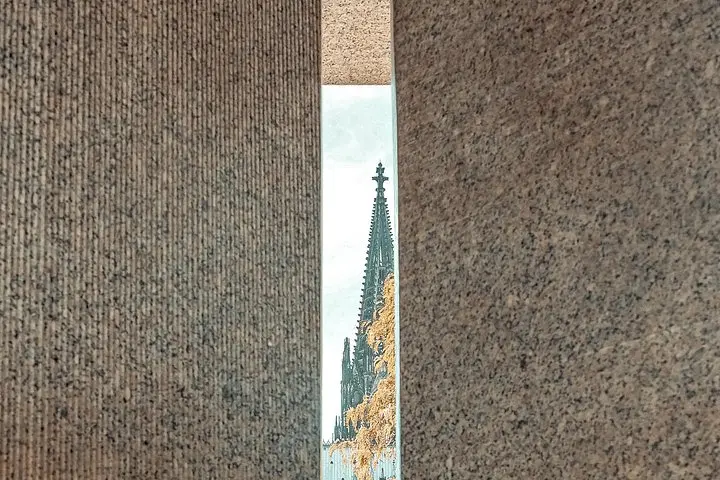
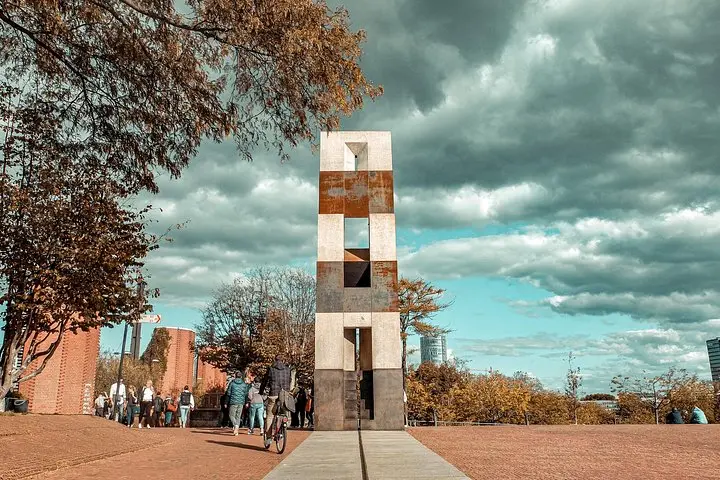
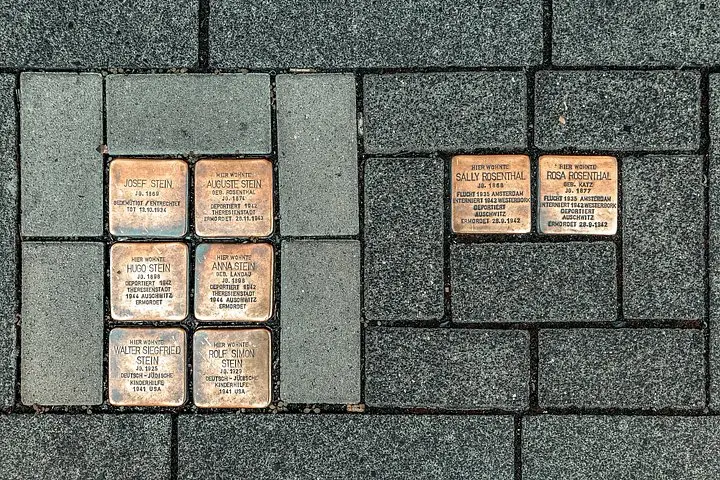
A late-summer evening on the Rhine, and the Dom throws a long shadow across the square as your guide begins to speak. The air tastes faintly of river and diesel; streetlamps pick out the carved stone of buildings that survived and the blank facades where bombs once fell. This 2.5‑hour walking tour threads through Cologne’s wartime geography — from the former Gestapo headquarters and political prison to Holocaust memorials and the battered silhouette of the Cathedral.
Verified experiences and guided adventures in the surrounding area.
Operated by Freewalk Cologne · Cologne, North Rhine-Westphalia
A late-summer evening on the Rhine, and the Dom throws a long shadow across the square as your guide begins to speak. The air tastes faintly of river and diesel; streetlamps pick out the carved stone of buildings that survived and the blank facades where bombs once fell. This 2.5‑hour walking tour threads through Cologne’s wartime geography — from the former Gestapo headquarters and political prison to Holocaust memorials and the battered silhouette of the Cathedral.
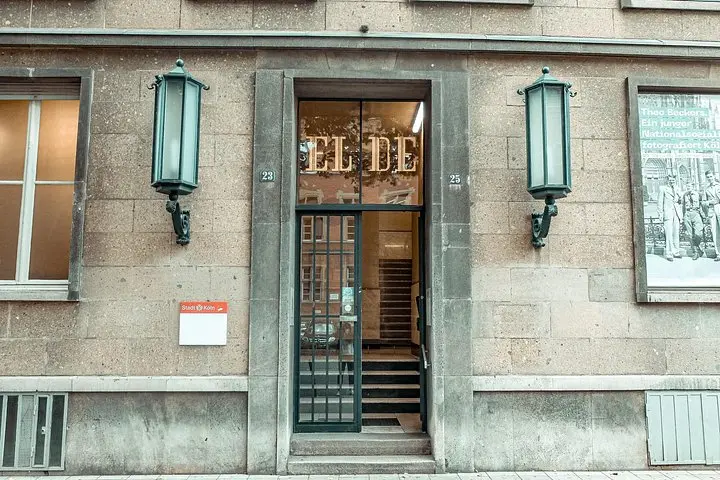
Cologne was a major industrial and transport center in the Third Reich and consequently one of the largest targets in the Allied bombing campaign. Geology and urban layout shaped its fate: the Rhein offered supply lines and bridges that both connected and divided the city when strategic destruction followed retreat. Cultural memory here is visible in plaques, repaired bridges, and the EL-DE Haus, where archives now confront the mechanisms of repression.
Expect a sober, narrative-driven pace with focused stops at monuments and viewpoints. The guide situates individual stories — political prisoners, local resistance, civilian life under nightly raids — within the larger timeline of 1930s politics and the Battle of Cologne. The Dom itself becomes a practical landmark and a witness, scarred but intact.
Practical guidance: wear stable shoes for cobbles and short stair sections, bring a light waterproof layer for evening rain, and allow time to join via public transit (central meeting point near the Town Hall). Photography is common, but be respectful at memorials and indoor archives. If you want to continue learning after the route, the nearby NS Documentation Center (EL-DE Haus) and local memorial exhibitions expand on themes introduced on the walk.
Yes — the operator lists the route and meeting areas as wheelchair and stroller accessible; contact the provider ahead to confirm assistance needs.
The standard tour is delivered in English by an experienced local guide; check availability if you need a different language.
The tour meets in the central square by the Cologne Town Hall within sight of the Dom — your booking confirmation gives the precise meeting coordinates and local transit directions.
Full refunds are available if you cancel at least 24 hours before departure; later cancellations are not refundable.
Freewalk Cologne operates guided outdoor trips and adventures with an emphasis on safety, stewardship, and memorable experiences.
A late-summer evening on the Rhine, and the Dom throws a long shadow across the square as your guide begins to speak. The air tastes faintly of river and diesel; streetlamps pick out the carved stone of buildings that survived and the blank facades where bombs once fell. This 2.5‑hour walking tour threads through Cologne’s wartime geography — from the former Gestapo headquarters and political prison to Holocaust memorials and the battered silhouette of the Cathedral.
A late-summer evening on the Rhine, and the Dom throws a long shadow across the square as your guide begins to speak. The air tastes faintly of river and diesel; streetlamps pick out the carved stone of buildings that survived and the blank facades where bombs once fell. This 2.5‑hour walking tour threads through Cologne’s wartime geography — from the former Gestapo headquarters and political prison to Holocaust memorials and the battered silhouette of the Cathedral.
Cologne was a major industrial and transport center in the Third Reich and consequently one of the largest targets in the Allied bombing campaign. Geology and urban layout shaped its fate: the Rhein offered supply lines and bridges that both connected and divided the city when strategic destruction followed retreat. Cultural memory here is visible in plaques, repaired bridges, and the EL-DE Haus, where archives now confront the mechanisms of repression.
Expect a sober, narrative-driven pace with focused stops at monuments and viewpoints. The guide situates individual stories — political prisoners, local resistance, civilian life under nightly raids — within the larger timeline of 1930s politics and the Battle of Cologne. The Dom itself becomes a practical landmark and a witness, scarred but intact.
Practical guidance: wear stable shoes for cobbles and short stair sections, bring a light waterproof layer for evening rain, and allow time to join via public transit (central meeting point near the Town Hall). Photography is common, but be respectful at memorials and indoor archives. If you want to continue learning after the route, the nearby NS Documentation Center (EL-DE Haus) and local memorial exhibitions expand on themes introduced on the walk.