THE ADVENTURE COLLECTIVE® · Independent discovery and booking for outdoor travel

Spend a hands-on half-day at Eco Park Punta Cana: a walkable property of farm animals, river activities, and cultural exhibits. Perfect for families and first-time nature lovers, the park mixes mule and cattle demonstrations with kayak and bamboo raft rides.
Spend a hands-on half-day at Eco Park Punta Cana: a walkable property of farm animals, river activities, and cultural exhibits. Perfect for families and first-time nature lovers, the park mixes mule and cattle demonstrations with kayak and bamboo raft rides.
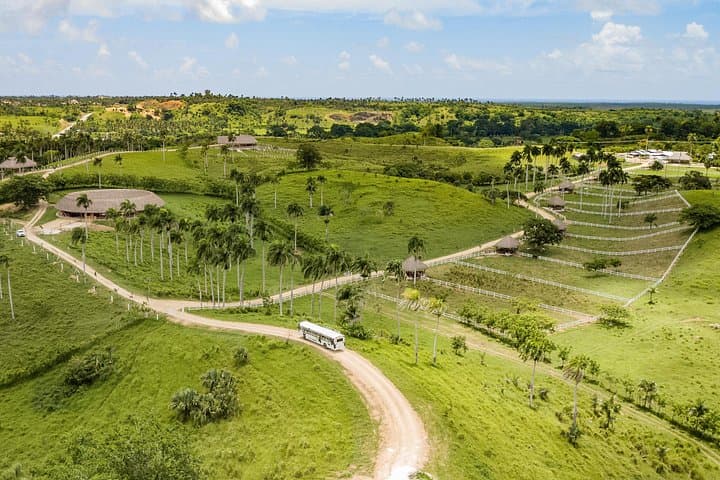
You step through a low gate and the heat shifts into shade — palms brush the sky while a river threads the property, urging you downstream. Chickens cluck near a replica Dominican house, cattle low in the distance, and a lookout platform crowns a short hill where the air opens to green ridgelines and distant coconut palms.
Verified experiences and guided adventures in the surrounding area.
Operated by Marinarium Parks · Punta Cana, La Altagracia
You step through a low gate and the heat shifts into shade — palms brush the sky while a river threads the property, urging you downstream. Chickens cluck near a replica Dominican house, cattle low in the distance, and a lookout platform crowns a short hill where the air opens to green ridgelines and distant coconut palms.
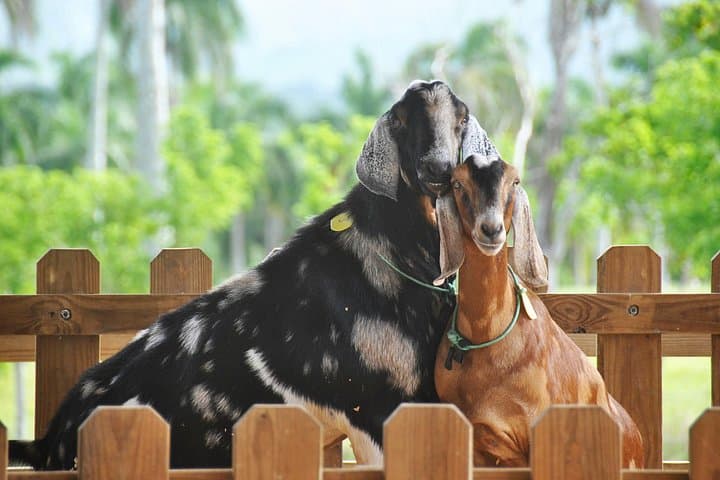
The park combines living farm culture with curated animal encounters: an on-site trapiche recalls the island’s sugar-mill past, while displays of 18 cattle breeds and rescued dogs reflect rural agriculture and modern conservation. Geologically, the land is flat to gently rolling limestone and alluvial soils typical of eastern Hispaniola, feeding the small rivers and fruit plantations that sustain the park’s gardens.
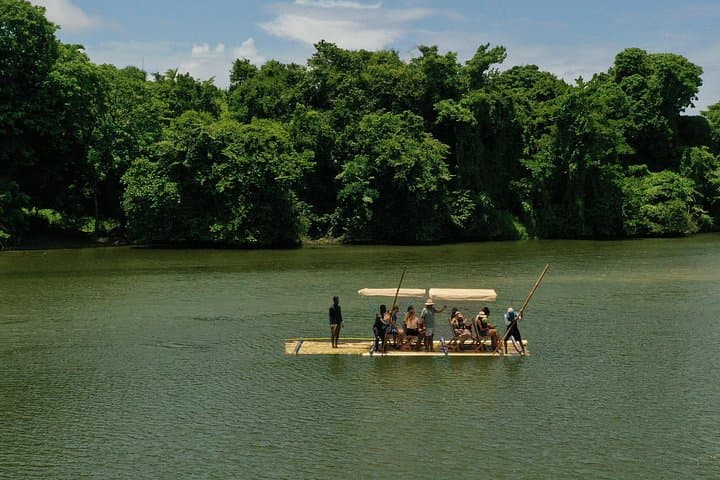
Walks move from shaded trails to riverbank activity zones — kayaks, paddleboards, and a bamboo raft offer slow, tactile ways to read the current. The equine program showcases local and imported breeds on short rides around pastures. Human-scale farms and a beehive sanctuary give insight into traditional Dominican farming and pollinator care.
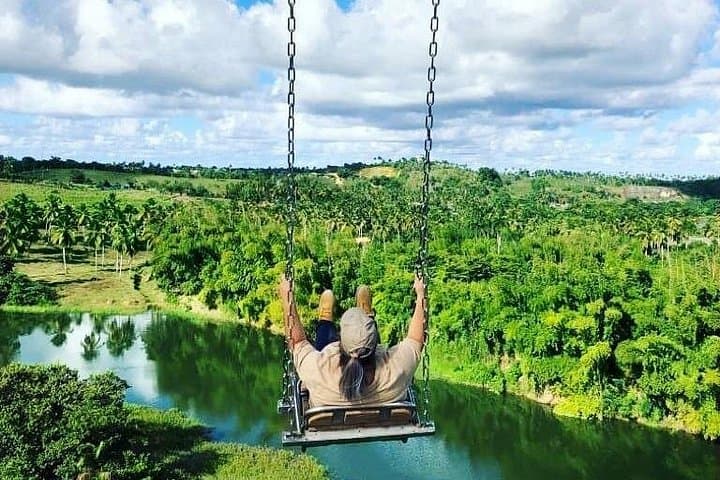
Practicalities: plan a morning visit to avoid midday sun, wear closed-toe shoes for river sections, and bring biodegradable insect repellent. The experience is low-impact physically but can be humid; carry water and a light rain layer in wet months. Families will find plenty of hands-on moments — milking demonstrations, animal feedings, and panoramic swings — but follow staff guidance for safe interactions. The park rewards a relaxed pace: observe, ask questions, and let the river and animals set the rhythm.
Yes — the park is family-friendly with hands-on animal encounters and short rides; infants should sit on laps for transport and staff supervise interactions.
Many encounters are included, but specialty activities like extended horse rides or private lessons may cost extra; verify at booking.
Air-conditioned vehicle transfers are often available through tours; check pickup options when booking and confirm exact meeting points.
Light snacks and water are fine, but the park offers seasonal fruit, snacks and drinks; follow park rules about feeding animals to protect their diet.
Marinarium Parks operates guided outdoor trips and adventures with an emphasis on safety, stewardship, and memorable experiences.
You step through a low gate and the heat shifts into shade — palms brush the sky while a river threads the property, urging you downstream. Chickens cluck near a replica Dominican house, cattle low in the distance, and a lookout platform crowns a short hill where the air opens to green ridgelines and distant coconut palms.
You step through a low gate and the heat shifts into shade — palms brush the sky while a river threads the property, urging you downstream. Chickens cluck near a replica Dominican house, cattle low in the distance, and a lookout platform crowns a short hill where the air opens to green ridgelines and distant coconut palms.
The park combines living farm culture with curated animal encounters: an on-site trapiche recalls the island’s sugar-mill past, while displays of 18 cattle breeds and rescued dogs reflect rural agriculture and modern conservation. Geologically, the land is flat to gently rolling limestone and alluvial soils typical of eastern Hispaniola, feeding the small rivers and fruit plantations that sustain the park’s gardens.
Walks move from shaded trails to riverbank activity zones — kayaks, paddleboards, and a bamboo raft offer slow, tactile ways to read the current. The equine program showcases local and imported breeds on short rides around pastures. Human-scale farms and a beehive sanctuary give insight into traditional Dominican farming and pollinator care.
Practicalities: plan a morning visit to avoid midday sun, wear closed-toe shoes for river sections, and bring biodegradable insect repellent. The experience is low-impact physically but can be humid; carry water and a light rain layer in wet months. Families will find plenty of hands-on moments — milking demonstrations, animal feedings, and panoramic swings — but follow staff guidance for safe interactions. The park rewards a relaxed pace: observe, ask questions, and let the river and animals set the rhythm.