THE ADVENTURE COLLECTIVE® · Independent discovery and booking for outdoor travel

Walk the sea bridge at Fish Eye Marine Park and slip into guided snorkeling among 200+ tropical fish species and vibrant corals. This 50-minute eco-focused session is ideal for beginners and families, with lifeguard supervision and reef-safe practices.
Walk the sea bridge at Fish Eye Marine Park and slip into guided snorkeling among 200+ tropical fish species and vibrant corals. This 50-minute eco-focused session is ideal for beginners and families, with lifeguard supervision and reef-safe practices.
A warm sun slants across the steel walk of Fish Eye’s sea bridge as the Pacific breathes against Guam’s limestone shore. You step out, watchful of the reef below, and the water seems to gather itself—inviting, busy, unhurried. Guides count heads and fit masks while the ocean readies its cast: butterflyfish flashing like punctuation, corals opening to the current, and the occasional sea turtle drifting like a slow, curious boat.
Verified experiences and guided adventures in the surrounding area.
Operated by Fish Eye Marine Park · Piti, Guam
A warm sun slants across the steel walk of Fish Eye’s sea bridge as the Pacific breathes against Guam’s limestone shore. You step out, watchful of the reef below, and the water seems to gather itself—inviting, busy, unhurried. Guides count heads and fit masks while the ocean readies its cast: butterflyfish flashing like punctuation, corals opening to the current, and the occasional sea turtle drifting like a slow, curious boat.
Piti Bay sits on a fringing reef formed where volcanic foundation meets millennia of coral growth; WWII-era channels and island settlements shaped local access and later conservation efforts. The observatory here doubles as a cultural marker—Guam’s Chamorro history is visible in nearby villages and place names, and fishing traditions still influence how guides talk about the sea.
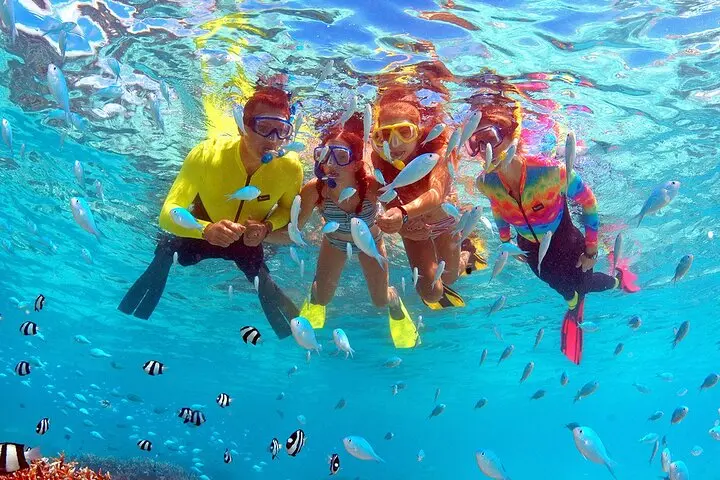
The biodiversity is immediate: more than 200 fish species and scores of hard and soft corals occupy varying depths from about 2 to 10 meters, so visibility and life change with tide and light. The guides emphasize reef-safe practices and low-impact movement; the water itself seems to nudge visitors into respect.
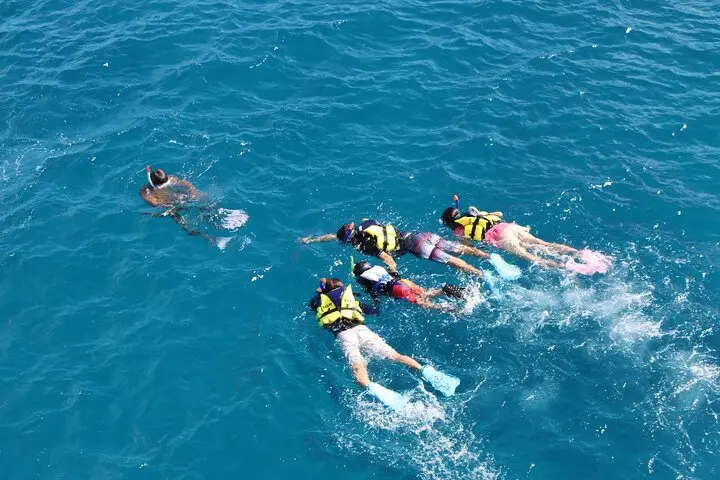
Practical guidance: arrive with reef-safe sunscreen and a light towel; the operator provides fins, masks and life jackets. Beginners can expect shallow, supervised snorkeling with lifeguards, while competent snorkelers will find enough variety in 50 minutes to make repeat visits worthwhile. Time trips for mid-morning or late afternoon light when currents are gentler and marine life is most active.
No—life jackets are provided and guides supervise all participants; however, basic comfort in water is required.
Yes, fins, masks and life jackets are provided as part of the activity inclusions.
Children aged 2–3 may join if comfortable in water; infants can ride in a kayak with a guide or parent when arranged in advance.
Use reef-safe, non-nano zinc oxide sunscreen as recommended by the operator to avoid harming corals.
Fish Eye Marine Park operates guided outdoor trips and adventures with an emphasis on safety, stewardship, and memorable experiences.
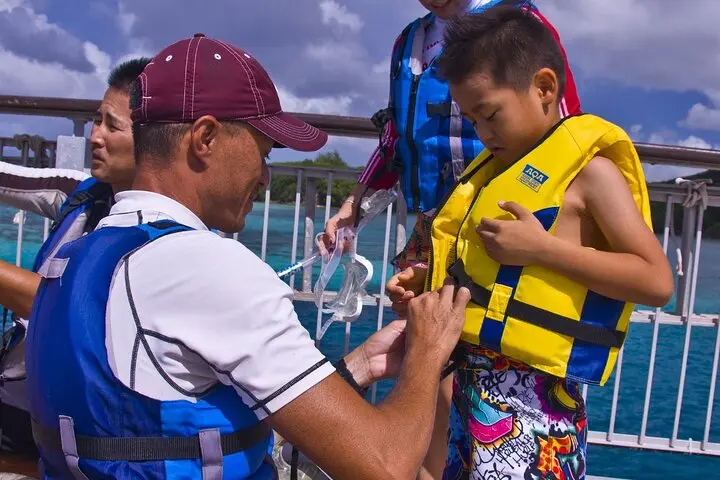
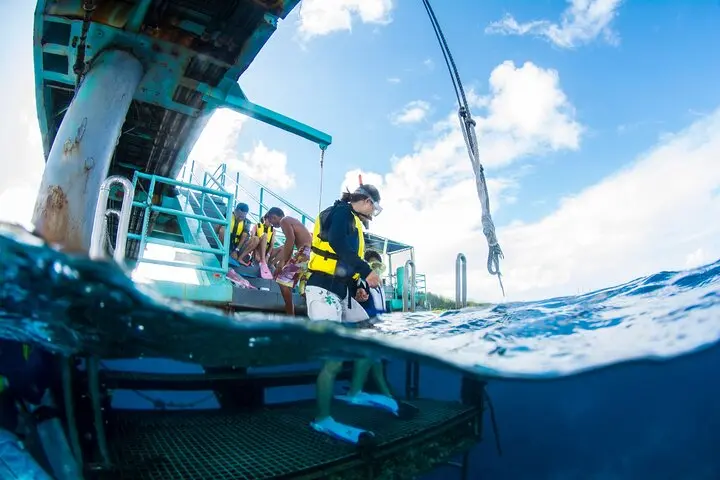
A warm sun slants across the steel walk of Fish Eye’s sea bridge as the Pacific breathes against Guam’s limestone shore. You step out, watchful of the reef below, and the water seems to gather itself—inviting, busy, unhurried. Guides count heads and fit masks while the ocean readies its cast: butterflyfish flashing like punctuation, corals opening to the current, and the occasional sea turtle drifting like a slow, curious boat.
A warm sun slants across the steel walk of Fish Eye’s sea bridge as the Pacific breathes against Guam’s limestone shore. You step out, watchful of the reef below, and the water seems to gather itself—inviting, busy, unhurried. Guides count heads and fit masks while the ocean readies its cast: butterflyfish flashing like punctuation, corals opening to the current, and the occasional sea turtle drifting like a slow, curious boat.
Piti Bay sits on a fringing reef formed where volcanic foundation meets millennia of coral growth; WWII-era channels and island settlements shaped local access and later conservation efforts. The observatory here doubles as a cultural marker—Guam’s Chamorro history is visible in nearby villages and place names, and fishing traditions still influence how guides talk about the sea.
The biodiversity is immediate: more than 200 fish species and scores of hard and soft corals occupy varying depths from about 2 to 10 meters, so visibility and life change with tide and light. The guides emphasize reef-safe practices and low-impact movement; the water itself seems to nudge visitors into respect.
Practical guidance: arrive with reef-safe sunscreen and a light towel; the operator provides fins, masks and life jackets. Beginners can expect shallow, supervised snorkeling with lifeguards, while competent snorkelers will find enough variety in 50 minutes to make repeat visits worthwhile. Time trips for mid-morning or late afternoon light when currents are gentler and marine life is most active.