THE ADVENTURE COLLECTIVE® · Independent discovery and booking for outdoor travel

A compact 12-day loop from Quito’s high volcanic ridges to the wildlife-rich shores of the Galápagos. Expect crater hikes, colonial cities, and snorkel encounters with reef sharks and sea lions.
A compact 12-day loop from Quito’s high volcanic ridges to the wildlife-rich shores of the Galápagos. Expect crater hikes, colonial cities, and snorkel encounters with reef sharks and sea lions.
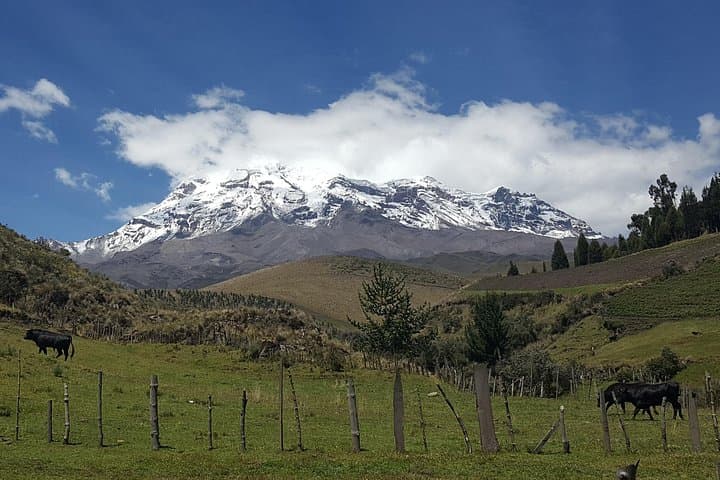
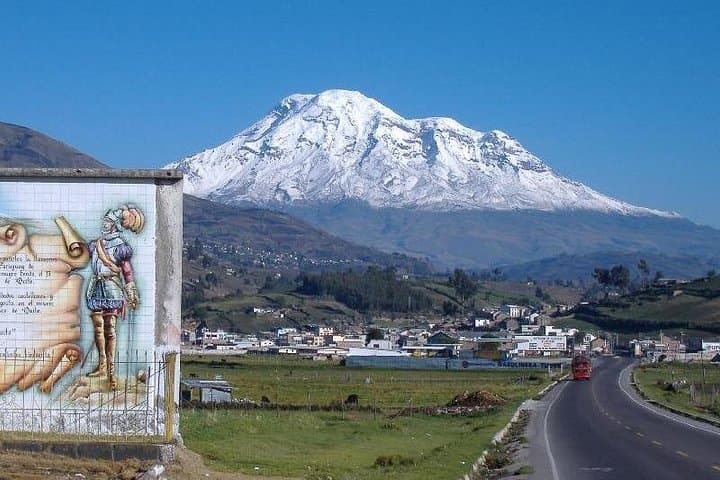
You step out of Quito’s cool morning into an Andean road that climbs past volcano shoulders, each peak watching the highway like a slow-moving guard. The Avenue of the Volcanoes unfurls—Cotopaxi’s cone pierces clouds, Chimborazo broods in the distance—and by the time you descend into Baños the waterfalls begin to dare you closer.
Verified experiences and guided adventures in the surrounding area.
Operated by Ecuador Local Guide · Quito, Pichincha
You step out of Quito’s cool morning into an Andean road that climbs past volcano shoulders, each peak watching the highway like a slow-moving guard. The Avenue of the Volcanoes unfurls—Cotopaxi’s cone pierces clouds, Chimborazo broods in the distance—and by the time you descend into Baños the waterfalls begin to dare you closer.
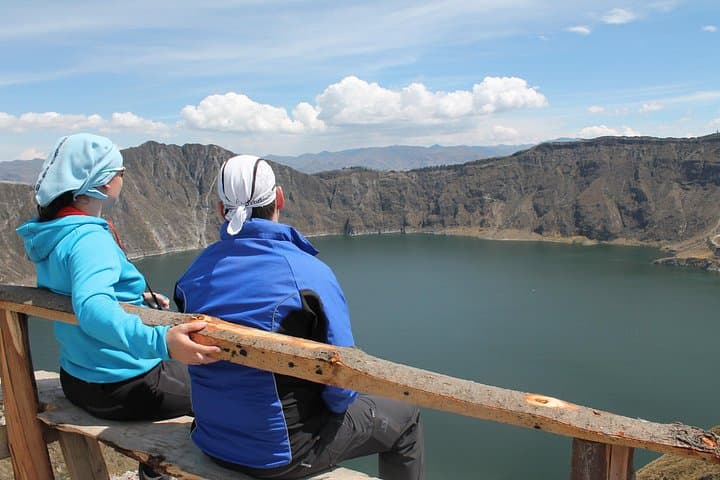
The route stitches highland geology with human history: Quilotoa’s emerald crater formed when magma evacuated and the roof collapsed, while Ingapirca preserves Inca and Cañari masonry and precise solar alignments. Cuenca’s colonial grid, declared UNESCO heritage, shows Spanish-era urban planning over Andean craft traditions—don’t miss a Paja Toquilla workshop for a tactile lesson in local trade.
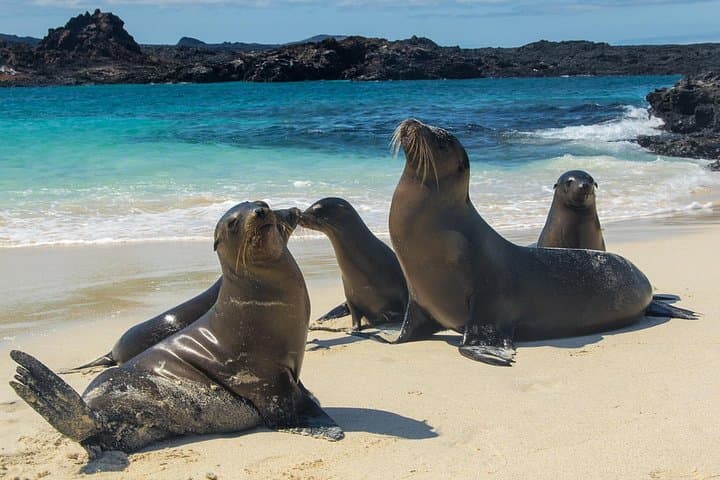
Then the landscape changes: flights to the Galápagos move you from páramo to equatorial shorelines where lava fields meet beaches and evolution strolls the coast. Darwin Station and Tintoreras place conservation and curious wildlife at arm’s reach—giant tortoises laze like ancient stone furniture; blue-footed boobies parade for passing boats.
Practical edge: this is a multi-day, mixed-difficulty itinerary. Expect high-altitude mornings (3,100–5,100 m on Chimborazo side trips), wet jungle trails in waterfall country, and easy-to-moderate day hikes on Isabela (Sierra Negra ~12 km round trip). Pack layers, sun protection, sturdy shoes, and a small dry bag for Galápagos boat trips. Hydrate the páramo and acclimatize before longer walks—altitude will push you before distance does. Book internal flights early in high season, respect park rules in Galápagos, and plan rest days in Puerto Ayora to reset between islands.
Most nationals enter Ecuador visa-free for short stays; check your passport country rules and ensure you have onward travel details and the Galápagos National Park entrance fee ready.
About 12 km round trip on relatively even volcanic terrain; moderate fitness and good walking shoes make it accessible—expect wind and sun exposure.
The itinerary includes domestic flights from Guayaquil or Quito to the Galápagos, but internal flight times can vary—confirm schedules and arrive early for check-in.
Frequent sightings include giant tortoises, marine iguanas, sea lions, blue-footed boobies, and, in certain spots, white-tip reef sharks during low tide snorkels.
Ecuador Local Guide operates guided outdoor trips and adventures with an emphasis on safety, stewardship, and memorable experiences.
You step out of Quito’s cool morning into an Andean road that climbs past volcano shoulders, each peak watching the highway like a slow-moving guard. The Avenue of the Volcanoes unfurls—Cotopaxi’s cone pierces clouds, Chimborazo broods in the distance—and by the time you descend into Baños the waterfalls begin to dare you closer.
You step out of Quito’s cool morning into an Andean road that climbs past volcano shoulders, each peak watching the highway like a slow-moving guard. The Avenue of the Volcanoes unfurls—Cotopaxi’s cone pierces clouds, Chimborazo broods in the distance—and by the time you descend into Baños the waterfalls begin to dare you closer.
The route stitches highland geology with human history: Quilotoa’s emerald crater formed when magma evacuated and the roof collapsed, while Ingapirca preserves Inca and Cañari masonry and precise solar alignments. Cuenca’s colonial grid, declared UNESCO heritage, shows Spanish-era urban planning over Andean craft traditions—don’t miss a Paja Toquilla workshop for a tactile lesson in local trade.
Then the landscape changes: flights to the Galápagos move you from páramo to equatorial shorelines where lava fields meet beaches and evolution strolls the coast. Darwin Station and Tintoreras place conservation and curious wildlife at arm’s reach—giant tortoises laze like ancient stone furniture; blue-footed boobies parade for passing boats.
Practical edge: this is a multi-day, mixed-difficulty itinerary. Expect high-altitude mornings (3,100–5,100 m on Chimborazo side trips), wet jungle trails in waterfall country, and easy-to-moderate day hikes on Isabela (Sierra Negra ~12 km round trip). Pack layers, sun protection, sturdy shoes, and a small dry bag for Galápagos boat trips. Hydrate the páramo and acclimatize before longer walks—altitude will push you before distance does. Book internal flights early in high season, respect park rules in Galápagos, and plan rest days in Puerto Ayora to reset between islands.