THE ADVENTURE COLLECTIVE® · Independent discovery and booking for outdoor travel

From Quito’s high streets to the blue channels around Kicker Rock, this 17-day journey threads Ecuador’s volcanic Andes, cloud forest and Galapagos into one continuous wildlife- and culture-forward route. Expect active days, close wildlife encounters, and logistics that mix flights, boat transfers and moderate hikes.
From Quito’s high streets to the blue channels around Kicker Rock, this 17-day journey threads Ecuador’s volcanic Andes, cloud forest and Galapagos into one continuous wildlife- and culture-forward route. Expect active days, close wildlife encounters, and logistics that mix flights, boat transfers and moderate hikes.
You step out of the plane into Quito’s thin air and the city breathes below you—red-tiled roofs, churches stacked against the flanks of the Pichincha, and a horizon of jagged volcanoes. The first day is a soft landing: a historic center walking tour, a hands-on cooking class, then a rooftop view from Capilla del Hombre where the Andes seem to lean in and listen. It’s the tone setter for a trip that moves fast between ecosystems—cloud forest, páramo, coastal mangrove and the volcanic islands born from the sea.
Verified experiences and guided adventures in the surrounding area.
Operated by Rebecca Adventure Travel · Quito, Pichincha
You step out of the plane into Quito’s thin air and the city breathes below you—red-tiled roofs, churches stacked against the flanks of the Pichincha, and a horizon of jagged volcanoes. The first day is a soft landing: a historic center walking tour, a hands-on cooking class, then a rooftop view from Capilla del Hombre where the Andes seem to lean in and listen. It’s the tone setter for a trip that moves fast between ecosystems—cloud forest, páramo, coastal mangrove and the volcanic islands born from the sea.
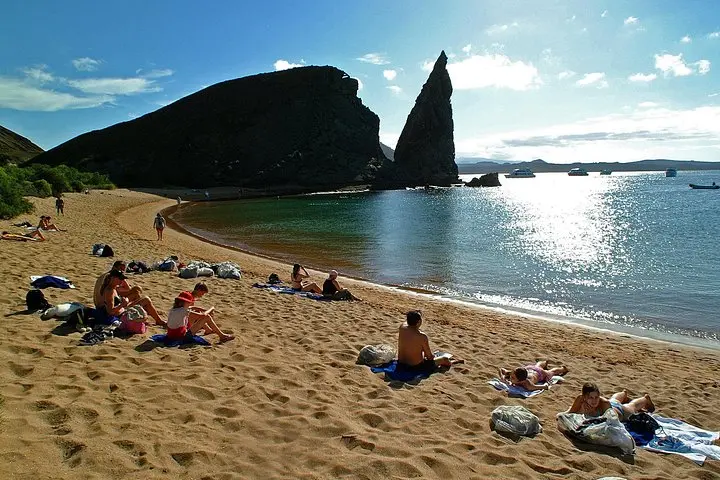
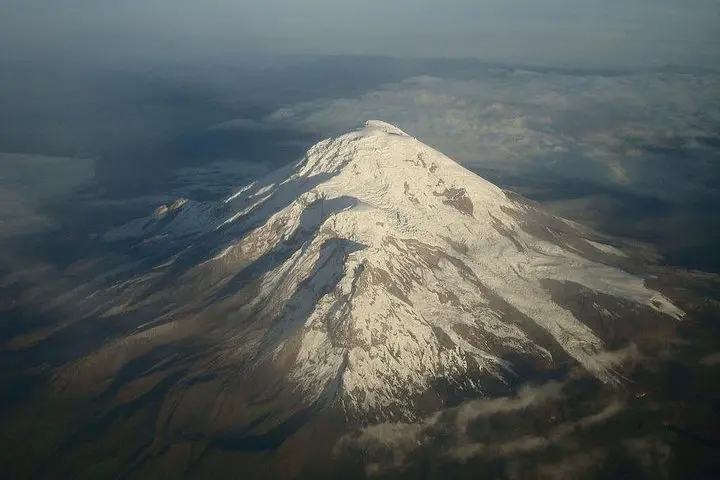
Geology is the travel guide here. The Andes are a living fault line, lifting old seabeds into the air; Quilotoa’s aquamarine crater lake and Cotopaxi’s classic cone tell that story in hard-edged vistas. Farther west, the Galapagos rise like chapters of marine volcanoes—Kicker Rock’s twin spires and the shallow basalt tunnels off Isabela are the ocean’s sculpted punctuation marks. Culture threads through every stop: indigenous markets at Guamote, pottery in Tigua, and Cuenca’s colonial geometry offer local context to landscapes that shaped livelihoods for millennia.
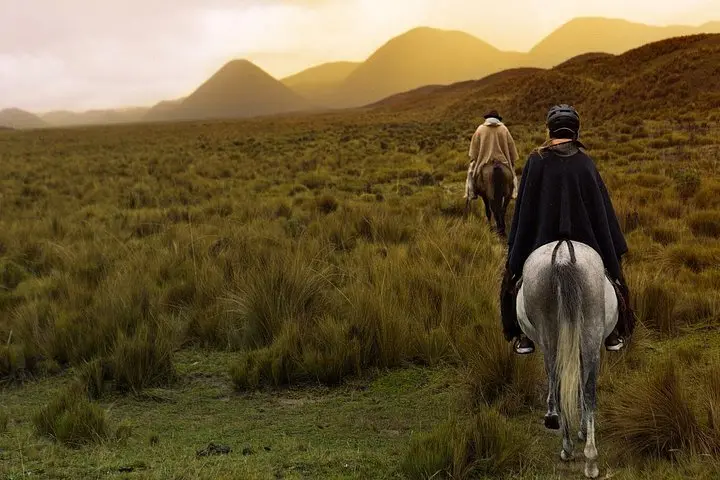
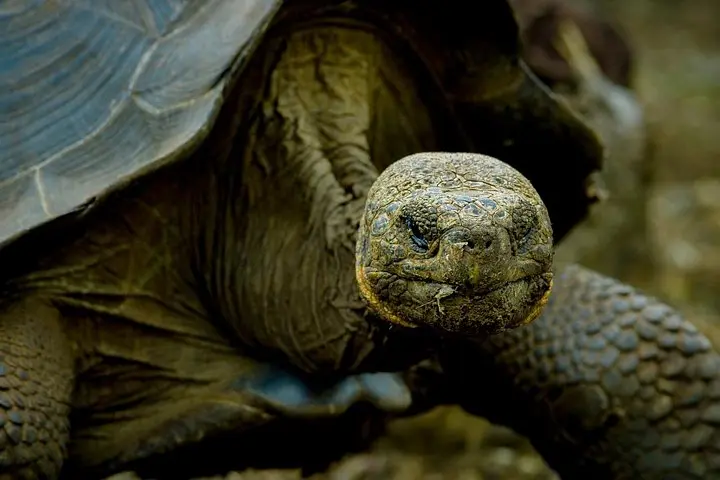
On the ground the itinerary blends active exploration with wildlife encounters. In the cloud forest you follow birdsong on trails looking for hummingbirds and, if luck allows, signs of the spectacled bear. Near Cotopaxi you saddle up to ride mountain slopes. Then the islands reframe the trip entirely—Santa Cruz highlands put you face-to-face with giant tortoises, snorkel sites like Los Tuneles and Kicker Rock throw the underwater world at you: rays, reef sharks, and swarms of colorful reef fish.
Practicalities matter. The tour includes inter-island and mainland–Galapagos flights, most meals, lodging and many local transports, but park entrance fees and specific small permits vary; the operator issues a detailed voucher before departure. Altitude on the mainland requires a sensible first-day pace—hydrate, walk gently and sleep well. In the Galapagos, biosecurity rules are strict: declare food, use only biodegradable sunscreen and respect marked trails and wildlife distances. Snorkel and kayak sessions favor calm mornings; boats can be choppy in the afternoon.
What to pack: layered clothing for rapid weather swings, reef-safe sunscreen, a small dry bag for island days and comfortable, broken-in hiking shoes. Bring binoculars for birding and a mask-snorkel if you prefer your own gear. Finally, travel insurance and flexible expectations are essential—weather and park regulations shape this itinerary as much as the guidebook. This 17-day route doesn’t just show Ecuador’s highlights; it stages them so you meet each environment at close range, with time to listen and to move.
No—basic swimming ability and comfort in the water are sufficient; guided snorkeling includes safety briefings and life vests.
Some inter-island flights and many services are included; exact park fees and certain local entrance charges are detailed in your personalized voucher before departure.
Hydrate, rest on arrival days, avoid alcohol and heavy meals initially; consider consulting your doctor about medication if you have concerns.
Yes—single rooms are available for an extra fee and the group format is welcoming to solo travelers.
Declare and avoid carrying fresh produce, clean footwear and luggage before island entry, and follow guide instructions to minimize species transfers.
Standard travel vaccinations are recommended; check CDC or local health advice for updates and consult your doctor about yellow fever or other region‑specific shots.
Rebecca Adventure Travel operates guided outdoor trips and adventures with an emphasis on safety, stewardship, and memorable experiences.
You step out of the plane into Quito’s thin air and the city breathes below you—red-tiled roofs, churches stacked against the flanks of the Pichincha, and a horizon of jagged volcanoes. The first day is a soft landing: a historic center walking tour, a hands-on cooking class, then a rooftop view from Capilla del Hombre where the Andes seem to lean in and listen. It’s the tone setter for a trip that moves fast between ecosystems—cloud forest, páramo, coastal mangrove and the volcanic islands born from the sea.
You step out of the plane into Quito’s thin air and the city breathes below you—red-tiled roofs, churches stacked against the flanks of the Pichincha, and a horizon of jagged volcanoes. The first day is a soft landing: a historic center walking tour, a hands-on cooking class, then a rooftop view from Capilla del Hombre where the Andes seem to lean in and listen. It’s the tone setter for a trip that moves fast between ecosystems—cloud forest, páramo, coastal mangrove and the volcanic islands born from the sea.
Geology is the travel guide here. The Andes are a living fault line, lifting old seabeds into the air; Quilotoa’s aquamarine crater lake and Cotopaxi’s classic cone tell that story in hard-edged vistas. Farther west, the Galapagos rise like chapters of marine volcanoes—Kicker Rock’s twin spires and the shallow basalt tunnels off Isabela are the ocean’s sculpted punctuation marks. Culture threads through every stop: indigenous markets at Guamote, pottery in Tigua, and Cuenca’s colonial geometry offer local context to landscapes that shaped livelihoods for millennia.
On the ground the itinerary blends active exploration with wildlife encounters. In the cloud forest you follow birdsong on trails looking for hummingbirds and, if luck allows, signs of the spectacled bear. Near Cotopaxi you saddle up to ride mountain slopes. Then the islands reframe the trip entirely—Santa Cruz highlands put you face-to-face with giant tortoises, snorkel sites like Los Tuneles and Kicker Rock throw the underwater world at you: rays, reef sharks, and swarms of colorful reef fish.
Practicalities matter. The tour includes inter-island and mainland–Galapagos flights, most meals, lodging and many local transports, but park entrance fees and specific small permits vary; the operator issues a detailed voucher before departure. Altitude on the mainland requires a sensible first-day pace—hydrate, walk gently and sleep well. In the Galapagos, biosecurity rules are strict: declare food, use only biodegradable sunscreen and respect marked trails and wildlife distances. Snorkel and kayak sessions favor calm mornings; boats can be choppy in the afternoon.
What to pack: layered clothing for rapid weather swings, reef-safe sunscreen, a small dry bag for island days and comfortable, broken-in hiking shoes. Bring binoculars for birding and a mask-snorkel if you prefer your own gear. Finally, travel insurance and flexible expectations are essential—weather and park regulations shape this itinerary as much as the guidebook. This 17-day route doesn’t just show Ecuador’s highlights; it stages them so you meet each environment at close range, with time to listen and to move.