THE ADVENTURE COLLECTIVE® · Independent discovery and booking for outdoor travel

Walk the Royal Mile after dark with a knowledgeable guide and hear the true stories of Edinburgh’s executions, plague pits and body snatchers. This two‑hour historical walking tour reveals the legal and social forces that shaped the Old Town.
Walk the Royal Mile after dark with a knowledgeable guide and hear the true stories of Edinburgh’s executions, plague pits and body snatchers. This two‑hour historical walking tour reveals the legal and social forces that shaped the Old Town.
The light over the Royal Mile thins and the city changes its voice: stone steps echo, alleyways tighten and the outlines of old closes take on a sharper angle. A guide waits by St. Giles with a white umbrella; the group moves off into lanes where human stories are written into mortar and timber.
Verified experiences and guided adventures in the surrounding area.
Operated by All-Star Guides · Edinburgh, Scotland
The light over the Royal Mile thins and the city changes its voice: stone steps echo, alleyways tighten and the outlines of old closes take on a sharper angle. A guide waits by St. Giles with a white umbrella; the group moves off into lanes where human stories are written into mortar and timber.
This walking tour traces Edinburgh’s grim civic history — the Old Tolbooth’s cells and gallows, execution sites, plague burial grounds, and the graveyards where body snatchers harvested corpses for anatomy schools. The city’s volcanic geology and compact medieval layout concentrated people and refuse into narrow closes, which amplified disease, crime and public spectacle in the 16th–19th centuries.
Culturally, Edinburgh’s “dark” memory shaped literature and law; Sir Walter Scott wrote about the city’s judicial past, and streets that once hosted executions now carry everyday commerce. Local guides combine archival detail with on-street reading of inscriptions, architectural features and the sly clues left in doorways and lane names.
Practical guidance: the tour is a two-hour, mostly level walk along cobbles and occasional steps; sensible footwear matters. Expect variable weather — bring a waterproof layer and dress in thin, warm layers. The meeting point is in front of St. Giles Cathedral; tours run year-round and accommodate wheelchairs on accessible stretches. Photography is fine, but treat graveyards and memorials respectfully.
For travelers who want history with grit, this walk delivers context and place: forensic facts married to urban atmosphere, all without theatrics. Arrive curious, leave with a clearer sense of how Edinburgh’s streets keep records of the lives that shaped them.
No — the guide focuses on documented history, legal cases and urban conditions rather than paranormal claims.
The tour lasts about two hours and follows the Royal Mile and adjacent closes, covering roughly 1–1.5 miles with frequent stops.
The operator lists wheelchair accessibility for many areas, but some closes include steps — contact the provider for specifics before booking.
Meet in front of St. Giles Cathedral on the Royal Mile; look for the white umbrella with the All‑Star Guides logo.
All-Star Guides operates guided outdoor trips and adventures with an emphasis on safety, stewardship, and memorable experiences.
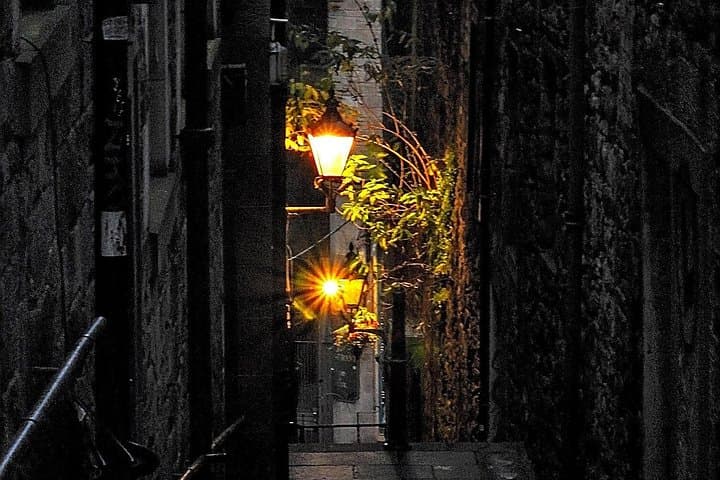
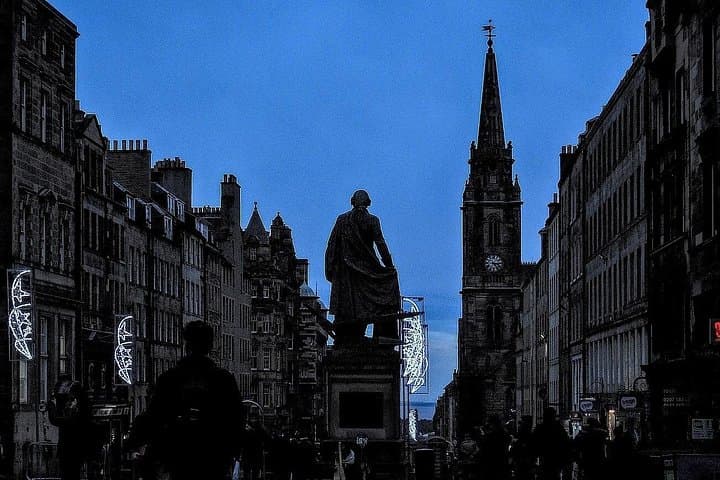

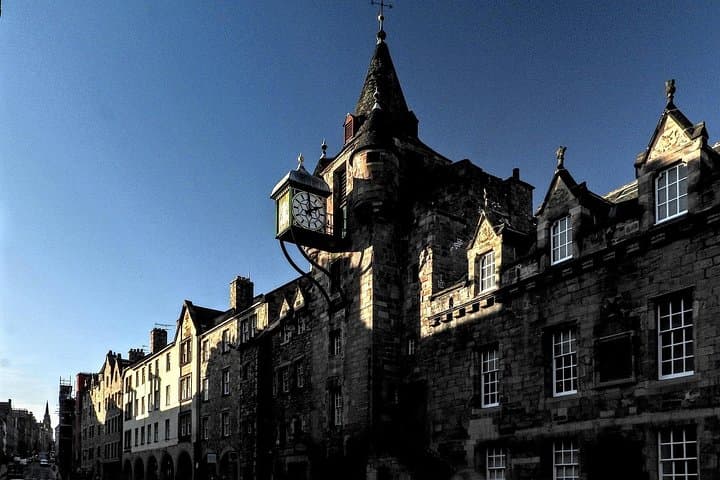
The light over the Royal Mile thins and the city changes its voice: stone steps echo, alleyways tighten and the outlines of old closes take on a sharper angle. A guide waits by St. Giles with a white umbrella; the group moves off into lanes where human stories are written into mortar and timber.
The light over the Royal Mile thins and the city changes its voice: stone steps echo, alleyways tighten and the outlines of old closes take on a sharper angle. A guide waits by St. Giles with a white umbrella; the group moves off into lanes where human stories are written into mortar and timber.
This walking tour traces Edinburgh’s grim civic history — the Old Tolbooth’s cells and gallows, execution sites, plague burial grounds, and the graveyards where body snatchers harvested corpses for anatomy schools. The city’s volcanic geology and compact medieval layout concentrated people and refuse into narrow closes, which amplified disease, crime and public spectacle in the 16th–19th centuries.
Culturally, Edinburgh’s “dark” memory shaped literature and law; Sir Walter Scott wrote about the city’s judicial past, and streets that once hosted executions now carry everyday commerce. Local guides combine archival detail with on-street reading of inscriptions, architectural features and the sly clues left in doorways and lane names.
Practical guidance: the tour is a two-hour, mostly level walk along cobbles and occasional steps; sensible footwear matters. Expect variable weather — bring a waterproof layer and dress in thin, warm layers. The meeting point is in front of St. Giles Cathedral; tours run year-round and accommodate wheelchairs on accessible stretches. Photography is fine, but treat graveyards and memorials respectfully.
For travelers who want history with grit, this walk delivers context and place: forensic facts married to urban atmosphere, all without theatrics. Arrive curious, leave with a clearer sense of how Edinburgh’s streets keep records of the lives that shaped them.