THE ADVENTURE COLLECTIVE® · Independent discovery and booking for outdoor travel

Board from South Queensferry for a 90-minute cruise under the Forth’s three bridges, past Inchcolm Island and its medieval abbey. Expect close views of the UNESCO Forth Bridge, seals, puffins and a concise primer on the firth’s history and geology.
Board from South Queensferry for a 90-minute cruise under the Forth’s three bridges, past Inchcolm Island and its medieval abbey. Expect close views of the UNESCO Forth Bridge, seals, puffins and a concise primer on the firth’s history and geology.
Dawn light slides across the rust-red ribs of the Forth Bridge as the boat eases from South Queensferry pier. The tide pulls and prods at the hull; sea air sharpens and the skyline of Edinburgh recedes into a wash of towers and chimneys. Guests lean on the rail as the vessel threads beneath three very different bridges — Victorian engineering, a modern road span, and the graceful rail cantilever that earned UNESCO status — while seabirds wheel and the water dares the bow forward.
Verified experiences and guided adventures in the surrounding area.
Operated by Forth Boat Tours · South Queensferry, Scotland
Dawn light slides across the rust-red ribs of the Forth Bridge as the boat eases from South Queensferry pier. The tide pulls and prods at the hull; sea air sharpens and the skyline of Edinburgh recedes into a wash of towers and chimneys. Guests lean on the rail as the vessel threads beneath three very different bridges — Victorian engineering, a modern road span, and the graceful rail cantilever that earned UNESCO status — while seabirds wheel and the water dares the bow forward.
Geology here is legible: a glacially carved firth, rocky islets and headlands that record ice, sea and time. Inchcolm Island appears as a low, green knob; its medieval abbey — often called the "Iona of the east" — hints at centuries of monastic and maritime life. South Queensferry itself grew up around an essential crossing, and the river has long shaped local industry and lore. Keep an eye out for puffins on nesting ledges and seals hauled out on skerries; currents concentrate fish and attract marine predators.
Practical guidance: the cruise runs about 90 minutes and is suitable for most fitness levels; binoculars and a windproof shell improve the experience. Weather can change quickly — pack layers and waterproofs — and sound carries across the firth, so brief onboard commentary clarifies history and wildlife sightings. Arrive 20–30 minutes early for boarding, check tide-based schedules in winter, and respect wildlife by keeping voice levels low and cameras ready but hands off. The route is both an introduction to Scotland’s coastal geology and a compact wildlife encounter easily reached from Edinburgh.
Most departures are from South Queensferry pier, a short walk from the town center and accessible by local buses and trains from Edinburgh.
Seals are commonly seen year-round; puffin sightings are seasonal and depend on feeding conditions, but the route passes known nesting ledges where they are often visible.
Yes—the tour indicates wheelchair accessibility, but notify the operator of any mobility needs when booking to ensure suitable boarding arrangements.
The operator may cancel in poor weather; full refunds are typically offered if cancelled at least 24 hours before departure or when conditions make sailing unsafe.
Forth Boat Tours operates guided outdoor trips and adventures with an emphasis on safety, stewardship, and memorable experiences.
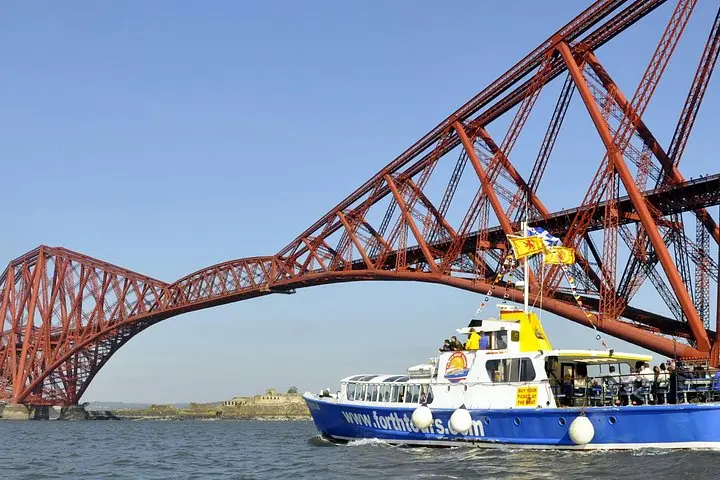
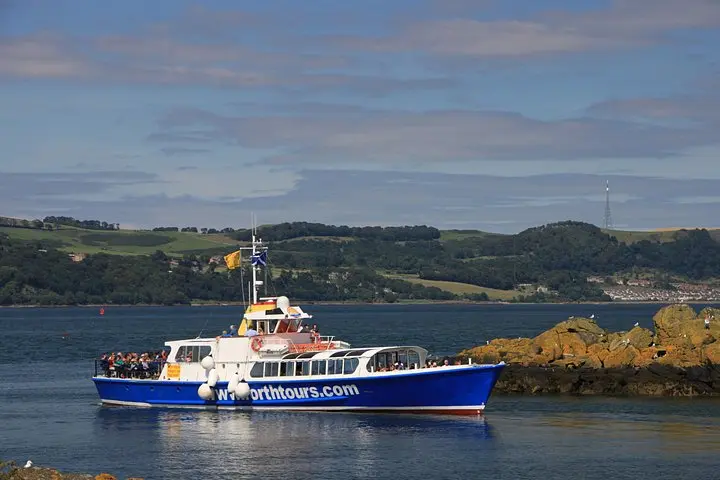
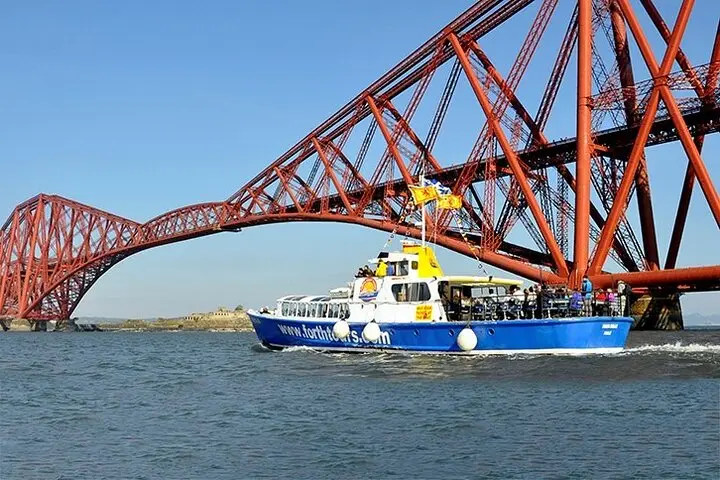
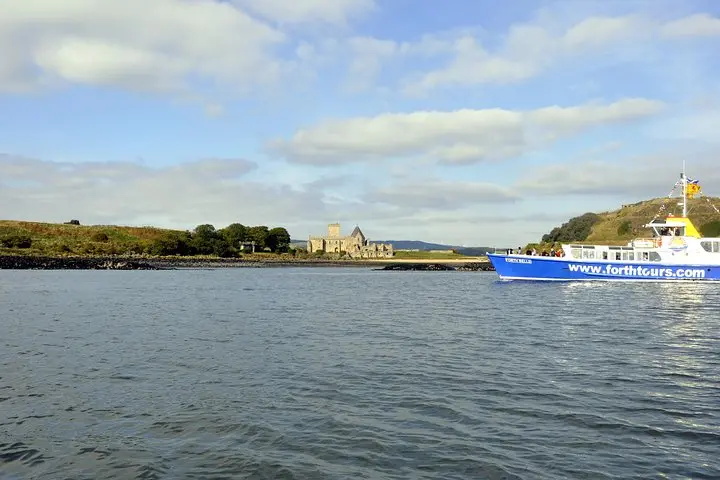
Dawn light slides across the rust-red ribs of the Forth Bridge as the boat eases from South Queensferry pier. The tide pulls and prods at the hull; sea air sharpens and the skyline of Edinburgh recedes into a wash of towers and chimneys. Guests lean on the rail as the vessel threads beneath three very different bridges — Victorian engineering, a modern road span, and the graceful rail cantilever that earned UNESCO status — while seabirds wheel and the water dares the bow forward.
Dawn light slides across the rust-red ribs of the Forth Bridge as the boat eases from South Queensferry pier. The tide pulls and prods at the hull; sea air sharpens and the skyline of Edinburgh recedes into a wash of towers and chimneys. Guests lean on the rail as the vessel threads beneath three very different bridges — Victorian engineering, a modern road span, and the graceful rail cantilever that earned UNESCO status — while seabirds wheel and the water dares the bow forward.
Geology here is legible: a glacially carved firth, rocky islets and headlands that record ice, sea and time. Inchcolm Island appears as a low, green knob; its medieval abbey — often called the "Iona of the east" — hints at centuries of monastic and maritime life. South Queensferry itself grew up around an essential crossing, and the river has long shaped local industry and lore. Keep an eye out for puffins on nesting ledges and seals hauled out on skerries; currents concentrate fish and attract marine predators.
Practical guidance: the cruise runs about 90 minutes and is suitable for most fitness levels; binoculars and a windproof shell improve the experience. Weather can change quickly — pack layers and waterproofs — and sound carries across the firth, so brief onboard commentary clarifies history and wildlife sightings. Arrive 20–30 minutes early for boarding, check tide-based schedules in winter, and respect wildlife by keeping voice levels low and cameras ready but hands off. The route is both an introduction to Scotland’s coastal geology and a compact wildlife encounter easily reached from Edinburgh.